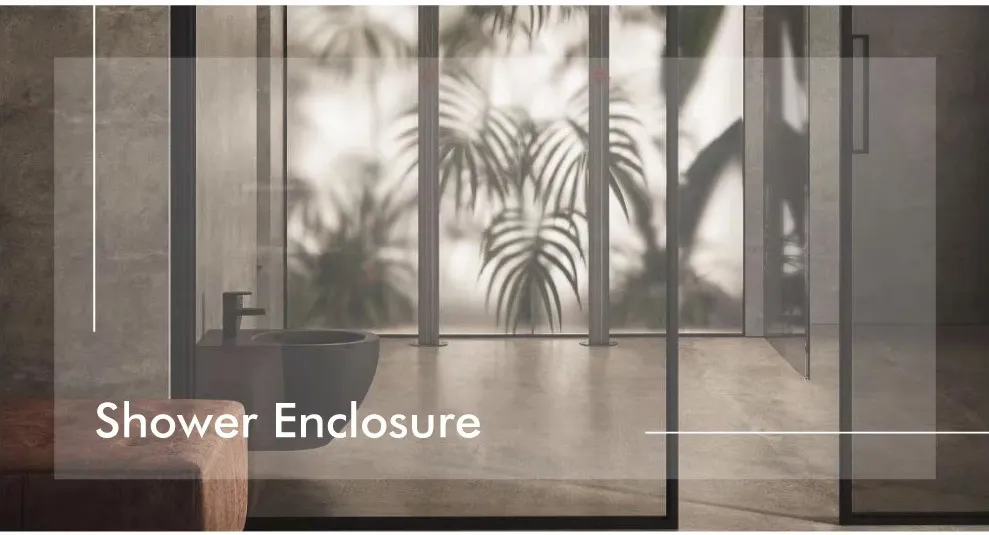
A shower enclosure is more than a glass partition—it defines the look, feel, and functionality of your bathroom. Whether you are renovating a family home, outfitting a hotel, or managing a multi-unit residential project, choosing the right shower enclosure shapes the daily experience of everyone who uses the space.
Yet many buyers rush this decision. They pick a style they like and only later discover issues with water leakage, door alignment, or glass quality. The good news is that a structured approach removes most of the guesswork. In this guide, we walk through the key factors to consider when selecting
shower enclosure solutions, from measurement and layout to glass type, hardware, and installation planning.
1. Start with Accurate Measurements
Before browsing catalogs, take precise measurements of your shower area. Record the width, height, and depth of the opening, and check whether walls are plumb and floors are level. Even a 5mm deviation can cause a door to bind or a seal to leave gaps.
Pay attention to clearance. If your bathroom has a vanity, toilet, or towel rack near the shower, a hinged door might not open fully. In tight spaces, sliding or bi-fold doors often work better than swing-out panels. For commercial projects, standardizing enclosure sizes across rooms simplifies bulk procurement and installation.
2. Match the Enclosure Style to Your Space
Shower enclosures come in three broad categories:
Frameless enclosures use heavy tempered glass with minimal metal hardware, creating a clean, open look. They work well in modern bathrooms but require precise installation.
Semi-frameless designs combine structural framing around the perimeter with frameless glass panels, offering a balance of stability and aesthetics.
Framed enclosures provide maximum rigidity at a lower cost, making them practical for rental properties and budget-conscious projects.
Door configuration matters too. Sliding doors save space, hinged doors feel premium, and fixed panels paired with a walk-in opening suit larger bathrooms. Your choice should reflect both the room's dimensions and how the bathroom is used day to day.
3. Prioritize Glass Quality and Safety
Glass is the largest visible surface in any shower enclosure, so its quality directly affects safety and longevity. Always specify tempered safety glass—it is heat-treated to be four to five times stronger than ordinary glass and breaks into small, blunt fragments rather than dangerous shards.
Thickness typically ranges from 6mm to 12mm. Thicker glass (10mm or 12mm) feels more solid and reduces flex, which is especially important for frameless designs. Many manufacturers also offer glass with protective coatings that resist water spots and soap scum, cutting down on cleaning time.
4. Hardware Determines Durability
The hardware is what keeps the enclosure working smoothly year after year. Hinges, rollers, handles, and seals operate in a humid environment where low-quality components corrode quickly. Look for stainless steel or solid brass construction with finishes that resist rust and pitting. Popular finish options include brushed nickel, matte black, polished chrome, and custom PVD coatings.
For sliding doors, check that the rollers run quietly and include anti-jump features. For hinged doors, verify that the hinges are rated for the glass weight and panel size. Well-made hardware not only performs better—it also reduces maintenance calls and extends the usable life of the entire enclosure.
5. Think Beyond the Enclosure
A shower enclosure does not exist in isolation. It shares the bathroom with sinks, faucets, vanities, toilets, and lighting. Sourcing everything from a single supplier simplifies logistics, ensures consistent quality, and often reduces total cost.
This is where working with a comprehensive
sanitary fixtures/bathrooms solutions provider makes a tangible difference. Instead of coordinating with multiple vendors for different product categories, project managers and homeowners can consolidate their orders through one partner. COLORIA GROUP, for example, supplies not only shower enclosures but also bathroom vanities, bathtubs and spas, taps and shower sets, smart toilets, mirrors, and a full range of
bathroom accessories—all from a single source.
6. Plan for Installation and Ongoing Care
Even the best enclosure will underperform if installed incorrectly. Frameless systems especially benefit from professional installation to ensure proper alignment and weight distribution. Before installation day, confirm that plumbing and waterproofing are complete and that the mounting surfaces are sound.
After installation, simple habits keep the enclosure in good condition. Squeegee the glass after each shower to prevent mineral buildup. Check seals and hinges every few months for signs of wear. Clean tracks and rollers periodically to maintain smooth door movement.
Making the Right Choice for Your Project
Choosing a shower enclosure is a decision that combines design preference, space planning, material quality, and practical logistics. By measuring carefully, selecting the right style and glass, insisting on quality hardware, and considering the broader bathroom fit-out, you set the foundation for a space that looks great and performs reliably for years.
For those managing residential, commercial, or hospitality projects, the advantage of a one-stop building materials partner cannot be overstated. COLORIA GROUP offers a complete range of interior and exterior solutions, from walls and flooring to sanitary fixtures and customized furniture. With a dedicated agent network in Saudi Arabia and a global supply chain, the company supports clients across the full project lifecycle—from product selection to delivery.
Looking for high-quality shower enclosures and complete bathroom solutions? Explore the full range of
shower enclosure solutions at COLORIA GROUP, or
contact the team to discuss your project requirements. With over 560 products across 13 building material categories, COLORIA GROUP is your one-stop partner for residential and commercial projects worldwide.