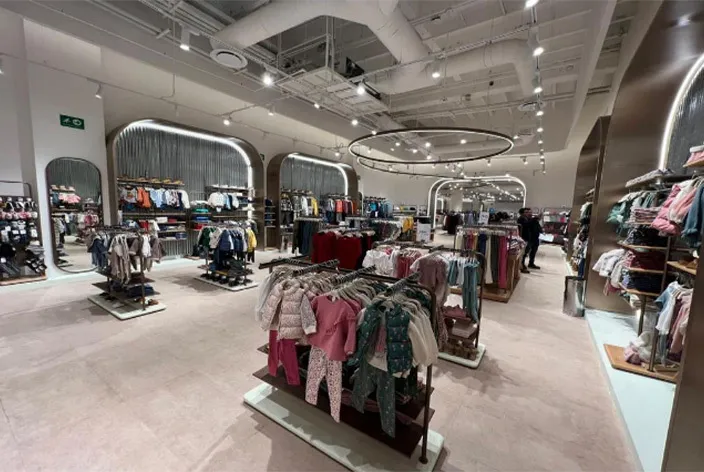
Walking into a store these days feels different than it did just five years ago, doesn't it? There's something about the way light plays across products that makes you want to linger a little longer. As we move through 2025, the game of retail lighting has completely changed – it's not just about brightness anymore. It's about mood, energy savings, and making every square foot of retail space work harder. The days of buzzing fluorescents making everything look hospital-sterile are fading fast.
When we talk about lighting commercial spaces today, we're dealing with smarter technology wrapped in sleeker designs. And hey, if you're managing a storefront or designing a boutique, getting this right is everything. Because let's be honest – when was the last time you bought something in a dimly lit shop that felt forgotten?
Three heavyweights dominate today's commercial lighting scene, each bringing unique strengths to the table:
|
Lighting Type
|
Best For
|
Pros
|
Price Range (2025)
|
|
Recessed Lighting
|
Minimalist spaces, spotlighting
|
Clean look, space-saving
|
$25 - $150/unit
|
|
Ceiling Panels
|
Even illumination, offices
|
Wide coverage, energy efficient
|
$40 - $200/panel
|
|
Architectural Lighting
|
High-end retail, mood setting
|
Dramatic effects, custom looks
|
$75 - $300+/unit
|
The buzz around recessed fixtures isn't dying down. You know those sleek spots that disappear into the ceiling? They're the ninjas of the lighting world – out of sight until they highlight your products just right. Perfect for when you want focus without distraction. Install them above displays or along pathways, and suddenly your store has these little spotlights guiding customers along their journey.
Meanwhile, ceiling panels continue earning their keep, especially in places needing bright, uniform lighting. Think about bookshops or pharmacies where customers need to read labels. With some models pumping out 100+ lumens per watt, they're serious money-savers too. If energy efficiency keeps you up at night, these panels are worth losing sleep over.
Where Design Meets Function
This is where lighting stops being utility and starts becoming theater. Architectural solutions let you paint with light – washing walls with color, grazing textures to reveal patterns, or framing spaces like artwork. These aren't your grandpa's light bulbs; they're instruments directing visual traffic.
The magic happens when these fixtures integrate into suspended ceiling systems seamlessly. No more awkwardly hanging fixtures breaking sightlines. Now lighting becomes part of the architecture itself. We're seeing more boutique clothing stores create runway-like paths using linear strips hidden in coves – it's subtle until customers notice how good they look under that glow.
Smart Lighting Gets Smarter
By this point, smart lighting systems using commercial lighting protocols have stopped being novelties and become essentials. The real revolution? Systems that blend LED lights and AI to adapt on the fly:
-
Traffic trackers
brighten zones with customers and dim empty areas
-
Time-of-day sensors
mimic natural light patterns
-
Inventory scanners
highlight new arrivals automatically
Imagine your store transforming moods throughout the day without staff touching a switch. Morning rush gets energizing cool tones, afternoon shoppers see warm relaxing hues, and evening browsers experience intimate accent lighting. Retail therapy just got its own atmospheric soundtrack.
2025's Big Shift: Wellness Lighting
The hottest trend isn't about visual merchandising anymore – it's about making customers feel physically better under your lights. Stores are adopting circadian-friendly systems mimicking natural daylight cycles to reduce eye fatigue. Some high-end boutiques even install vitamin-D boosting panels near seating areas. Why? Because comfortable shoppers stay longer, explore more, and yes – spend more.
Breaking Down the Numbers
For budget planning, let's get into specifics. Installation variables change everything – high ceilings, difficult access points, and existing wiring can sway final costs significantly. But for standard 500-1000 sq ft spaces:
|
Solution Type
|
Components
|
Standard Setup Cost
|
Lifespan
|
|
Basic LED Setup
|
Grid ceiling panels + controls
|
$1,200 - $3,500
|
70,000+ hours
|
|
Premium Architectural
|
Track + accent + ambient lights
|
$4,000 - $8,500
|
50,000+ hours
|
|
Smart Hybrid
|
Automated system + sensors
|
$6,500 - $12,000
|
50,000+ hours
|
The initial investment for smart hybrid systems makes people pause, sure. But consider stores reporting 40-60% energy savings over traditional setups and a 15-30% sales lift from enhanced displays. Payback periods have shrunk to under 18 months for many retailers – making these systems less expense than investment.
Matching Light to Your Brand's Soul
The most successful stores treat lighting like wardrobe choices – matching their illumination personality to their brand identity:
-
Luxury boutiques
lean heavy on recessed lighting creating jewel-box intimacy
-
Tech stores
embrace programmable color-changing systems
-
Bookshops/Cafes
combine warm pendant lights with ceiling panels
A home goods store might install warmer-toned LEDs near lounge furniture to suggest relaxation, while supplementing shelves with brighter panels. The trick lies in creating multiple lighting scenes within one space. Your customers move through different emotional zones without stepping outdoors.
The Path Forward
As 2025 unfolds, three shifts are reshaping lighting economics:
-
Solar-ready systems with integrated battery backups are becoming viable even for small shops
-
Self-repairing LEDs detect failures and reroute power automatically
-
Material science breakthroughs allow recessed lighting to be printed directly onto ceiling tiles
The conversation about commercial lighting used to be purely functional – "Is it bright enough?" and "Can we afford it?" Now? The language has shifted to emotional connection and brand storytelling. With the right combination of architectural lighting solutions and smart technology, shops don't just display products – they curate experiences. The light itself becomes part of the product experience.
Looking ahead, stores that master this lighting alchemy will create spaces where people don't just come to buy, but to belong. When the overhead lights whisper instead of shout, customers relax and connect. And that – more than any discount sign – is what turns shoppers into regulars.