Navigating the lifelines that power modern vessels through the harshest environments
Picture a colossal container ship battling Atlantic waves or a research vessel exploring Arctic waters. What keeps their radar sweeping, navigation systems humming, and propulsion systems roaring? The hidden vascular system of marine-grade electrical components working silently beneath decks. In maritime industries, failure isn't an option when you're miles from shore - marine cables, waterproof sockets, and power distribution systems form the resilient nervous system of every seaworthy vessel.
Unlike landlubber electrical systems that occasionally deal with rain puddles, shipboard equipment faces relentless salt spray, extreme temperature swings, constant vibrations, and the ever-present risk of flooding. This article dives deep into the specialized engineering and vital requirements that keep maritime power flowing reliably when lives and cargo depend on it.
The Harsh Reality: Why Marine Systems Demand Special Design
The ocean plays rough. Marine electrical systems endure challenges completely foreign to terrestrial installations:
-
Saltwater corrosion
– An invisible destroyer of metals and insulation
-
Constant vibration
– Engine tremors and wave impacts causing material fatigue
-
Extreme humidity
– An environment that could turn any cavity into a miniature pool
-
Temperature extremes
– From frozen Arctic decks to scorching engine rooms
-
Fire hazard amplification
– Confined spaces where escaping smoke/flames is impossible
-
Electromagnetic interference
– Jamming delicate navigation and communication signals
Traditional hardware that works fine in buildings would rapidly fail in shipboard environments. That's why marine cables and components undergo brutal testing that simulates decades of ocean punishment compressed into weeks. They're the Navy SEALs of electrical components – built tougher, sealed tighter, and performing reliably under pressure.
Marine Cables: The Arteries of Shipboard Power
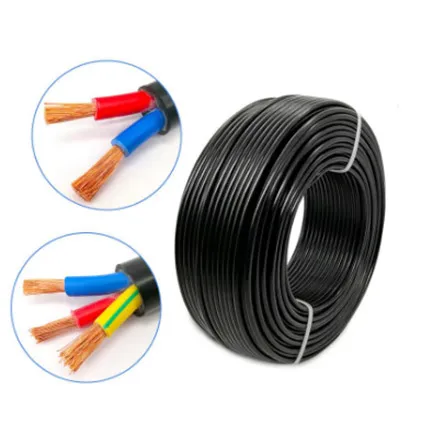
Not all cables are created equal. Marine cables are specialized beasts engineered to handle specific shipboard functions:
Power Transmission Cables
The heavy lifters that bring life to propulsion systems. Picture thick, armored cables carrying thousands of volts:
-
Generator-to-main switchboard connections – Power's first journey
-
Electric propulsion feeds – The muscle behind modern diesel-electric vessels
-
Hybrid system connections – Intelligently balancing diesel/battery power
Control & Instrumentation Cables
The sensitive neural pathways transmitting critical commands and data:
-
Engine room automation signals – Vital engine monitoring and controls
-
Sensor networks – From fuel levels to hull stress monitoring
-
Bridge control systems – The captain's direct line to propulsion
Specialized Marine Cable Features
So what makes marine cables survive where others fail?
-
Water-blocking insulation
– Preventing moisture penetration like a submarine hull
-
Tinned copper conductors
– Guarding against salt corrosion
-
Extra-flexible construction
– Absorbing vibrations without damage
-
Circuit integrity preservation
– Maintaining function even during fires
-
Low smoke zero halogen (LSZH) sheathing – Preventing toxic fumes in enclosed spaces
Waterproof Sockets & Connectors: Making the Impossible Connection
Waterproof connectors are the unsung heroes at every equipment interface point. Imagine needing to connect sensitive navigational instruments in an environment that constantly battles saltwater intrusion. These specialized connectors handle what household plugs never could:
-
IP68-rated marine connectors
– Capable of surviving total submersion
-
Corrosion-resistant materials – Special alloys laughing off salt spray
-
Positive locking mechanisms – Vibration-proof connections that won't shake loose
-
Multi-pin configurations – Combining power and data in one sealed unit
-
Emergency lighting hookups – Critical connections that must work when flooding occurs
Modern waterproof sockets increasingly integrate smart diagnostics, detecting moisture intrusion before catastrophic failure occurs – a literal canary in the coal mine for electrical safety.
The Beating Heart: Marine Power Distribution Systems
At the core of every vessel's electrical ecosystem lies the distribution system. Think of it as the ship's electrical central nervous system:
Main Switchboard: The Command Center
The vessel's power distribution hub where generator power first arrives. Key elements include:
-
Vertical bus bars – Distributing power like arteries branching from the aorta
-
Protection relays – Digital guardians against electrical faults
-
Synchroscopes – Ensuring generators play nice together
-
Load balancing systems – Smartly managing power across the vessel
Distribution Networks
How power journeys to every corner of the vessel:
-
Main engine room feeds – Keeping propulsion alive
-
220V auxiliary panels – Serving crew quarters and support systems
-
Group start panels – Managing motor clusters efficiently
-
Sectional boards – Creating isolated grids for critical functions
Emergency Power Systems
The backup plan when disaster strikes:
-
Watertight emergency generators – Located safely above the waterline
-
Automatic transfer switches – Seamlessly shifting to backup power
-
Essential circuit isolation – Prioritizing navigation and safety systems
-
Fire-resistant feeders – Keeping power flowing even through flames
Essential vs. Non-Essential Systems: The Priority Matrix
Not all shipboard systems are created equal when power runs scarce. Smart distribution planning keeps vital functions running:
Critical Systems
The functions that keep the ship safe and moving:
-
Propulsion control
– Stopping is not an option at sea
-
Navigation instruments – The electronic eyes in stormy darkness
-
Emergency lighting – Preventing chaos during power loss
-
Fire pumps – Battling blaze when shore help is miles away
-
Bridge communication – The lifeline to other vessels and coast guard
Non-Essential Systems
Functions that can be temporarily sacrificed without immediate risk:
-
Galley appliances – Sorry chef, dinner might be delayed
-
Crew accommodation HVAC – Temporary discomfort in emergencies
-
Recreational systems – Crew lounge takes a backseat to safety
-
Cargo monitoring – Paused during immediate crisis management
Engineering for the Future: Smart Ships and Green Shipping
The evolution of marine electrical systems marches forward toward new horizons:
Integrated Data Networks
Cables evolving from pure power carriers to information highways:
-
Combined power/data cabling – Reducing weight and complexity
-
Fiber optic backbones – For lightning-fast bridge-to-engineering comms
-
Predictive maintenance systems – Sensors anticipating failures before they happen
Energy Revolution
Responding to decarbonization demands with new power approaches:
-
Shore power integration – Eliminating port emissions through
advanced waterproof
connections
-
Battery power management – Balancing immense energy storage with distribution logic
-
Solar/wind augmentation – Harnessing nature for auxiliary power
-
Fuel cell integration – Hydrogen-powered electrical systems of the future
As we've journeyed from cable insulation properties to emergency power protocols, one constant emerges: marine electrical systems represent a perfect marriage of rugged reliability and precision engineering. These unassuming components face challenges that would instantly destroy ordinary hardware – saltwater immersion, relentless vibration, extreme temperatures – and laugh them off. Waterproof sockets form impervious seals at every vulnerable point, specialized cables transmit power through engine room infernos, and smart distribution systems prioritize essential functions when disaster threatens.
Next time you see a container ship glide into port or pass a research vessel at sea, remember the hidden electrical ecosystem ticking below deck. Thousands of decisions about cable specifications, connector ratings, and distribution layouts ensure that navigation instruments don't blink, propulsion doesn't hesitate, and emergency systems stand ready. That's the silent promise of marine-grade electrical engineering – powering humanity's seafaring ambitions safely, reliably, and without fanfare, one wave at a time.