


How Feed-in Premiums are Reshaping Japan's Renewable Energy Landscape
Remember the days when solar panels in Japan were like winning lottery tickets? Back when the government's Feed-in Tariff (FIT) scheme had everyone from big corporations to suburban homeowners racing to install panels? Those golden days are fading fast. Japan's solar market is going through its biggest shake-up since the 2011 Fukushima disaster forced the country to rethink its entire energy strategy. The shift from FIT to Feed-in Premiums (FIP) isn't just bureaucratic jargon – it's changing how energy gets made, sold, and used across the country.
Let's rewind a bit. After Fukushima flipped Japan's nuclear-dependent energy world upside down, the government needed renewable solutions fast . Enter FIT in 2012 – a simple, sweet deal where anyone generating solar power could sell it back to utilities at premium fixed prices for up to 20 years. The results were explosive:
⚡ Solar capacity exploded from just 20 gigawatts to over 81 gigawatts by 2021 – that's enough to power more than 60 million homes!
But here's the thing about gold rushes – they eventually run out of gold. By 2021, the government realized the FIT program was becoming a victim of its own success:
- Budget nightmares : Falling solar installation costs meant the subsidies were bigger than needed, bleeding government funds.
- Runaway growth : Solar farms popped up everywhere, often in places that didn't make great grid sense.
- ⚖️ Market distortion : Guaranteed prices removed incentives for innovation or responding to actual energy demand.
The writing was on the wall: FIT had to evolve or die. That evolution arrived as the Feed-in Premium scheme in April 2022.
If FIT was like getting a guaranteed salary, FIP is more like earning commission – you get paid based on market performance plus a bonus. Here's why that small difference changes everything:
| Feature | FIT System | FIP System |
|---|---|---|
| Payment Structure | Fixed price per kWh | Market price + premium bonus |
| Revenue Predictability | High (guaranteed) | Moderate (varies with market) |
| Grid Responsibility | Utilities must buy all power | Producers must align with demand |
Initially, solar companies freaked out. Imagine going from knowing exactly what your paycheck would be to having it swing with energy prices! But two years in, we're seeing players adapt in fascinating ways.
The FIP era has sparked innovation where FIT created complacency. Since their income now depends on when they produce energy, not just how much , solar operators are getting creative:
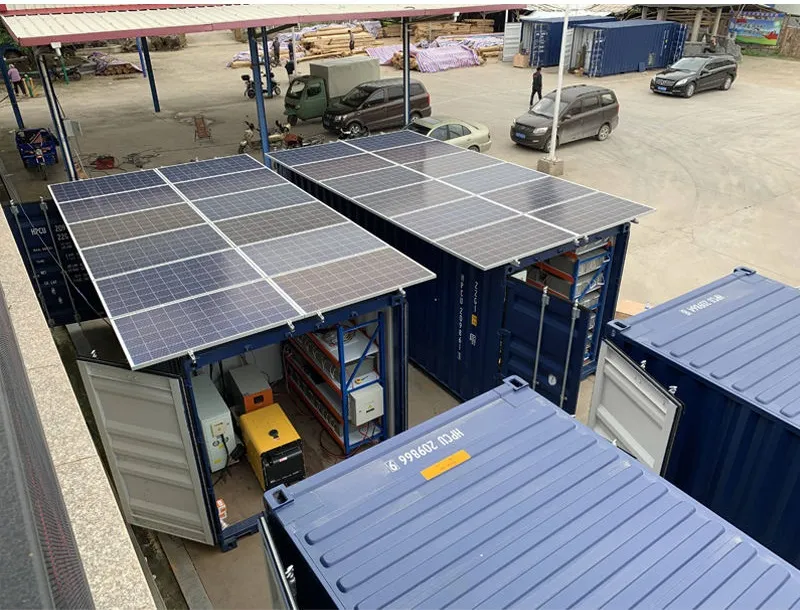
Battery bonanza : Operators are snapping up Battery Energy Storage Systems (BESS) to stockpile sunshine. They charge batteries when prices are low, then release power during expensive peak hours – sometimes doubling their revenue!
Smaller players are finding clever niches too:
- Community solar : Neighborhood collectives pooling rooftop space for shared installations
- Industrial partnerships : Factories hosting solar farms that directly power their operations
- Urban innovations : Solar-integrated building materials turning skyscrapers into power plants
The growth speaks for itself – despite initial fears, FIP certifications reached over 1,500 MW across 1,000+ projects by early 2024. Solar leads the pack with 518 MW.
Let's be real – the transition hasn't been all sunshine and roses. Two issues keep popping up in conversations with industry players:
1. The Financing Squeeze
Banks used to hand out loans for solar projects like candy when FIT guaranteed repayment. Now? "Show us your storage capacity," lenders demand. Project proposals without robust storage plans struggle to get funding.
2. Infrastructure Limitations
Japan's grid was built for centralized power, not thousands of mini-solar stations. In rural areas particularly, grid capacity constraints bottleneck growth. Solutions like decentralized microgrids are emerging but need policy support.
⚠️ The takeaway? Japan needs grid investment matching its energy ambition. The Battery Energy Storage System market boom helps, but infrastructure modernization remains crucial.
Here's how all this affects everyday Japanese households and businesses:
- Price volatility : Expect daytime power prices to keep dropping (thanks to midday solar peaks) while evening rates climb
- Lower subsidies : The FIP transition will gradually reduce those green energy surcharges on your power bills
- New products : Energy retailers now offer "solar matching" plans with daytime discounts
For homeowners considering panels, the math changed. Where ROI once took 7-9 years, adding batteries stretches break-even points. But smart systems can now generate income by feeding grid during demand peaks.
The FIP transition is just Act One in Japan's energy transformation. Emerging trends suggest where we're headed:
Tech convergence : Watch for solar pairing with wind, geothermal, and tidal generation to create all-weather renewable hubs
Other developments on the radar:
- AI optimization : Software predicts prices/weather to automatically maximize profit from solar assets
- ️ Urban integration : Building-integrated photovoltaics turning infrastructure into power sources
- ⚡ Virtual power plants : Aggregators linking thousands of small solar+storage units into grid-scale resources
Government plans to boost FIP premiums for innovative projects suggest further evolution. Some analysts even predict "dynamic premium" systems adjusting incentives in real-time for grid balancing.
Japan's solar transition offers lessons for renewable markets globally:
- Subsidies work to spark industries but must evolve to sustain them
- ⚙️ Market mechanisms drive efficiency but need complementary infrastructure investment
- Energy transitions aren't events but ongoing processes needing flexibility
The drop from 20-year FIT guarantees to market-responsive FIP felt drastic initially. But like spring replacing winter, new growth patterns emerge. Solar companies that survived the transition are leaner, more innovative, and focused on creating real grid value rather than subsidy harvesting.
The Battery Energy Storage System revolution proves Japanese energy innovators aren't just adapting – they're finding ways to thrive in this new era. That resilience bodes well not just for solar, but for Japan's broader green energy ambitions.
Japan's sun-powered journey continues proving an old truth: Change isn't about surviving the storm, but learning to dance in the rain. Or in this case, generating clean power whether subsidies shine or not.










