

Hey there! If you're thinking about using wood-plastic composite (WPC) wall panels in your home or commercial project, you're probably wondering just how long these things actually last. I mean, they're not cheap, so you want to make sure they'll stand the test of time. Well, you've come to the right place!
Think of WPC panels like that trusty car you've had for years – if you take good care of it, service it regularly, and park it in the garage instead of leaving it out in hail storms, it's going to last way longer. Same goes for your walls. Get this right, and you could have beautiful walls that stay in great shape for decades.
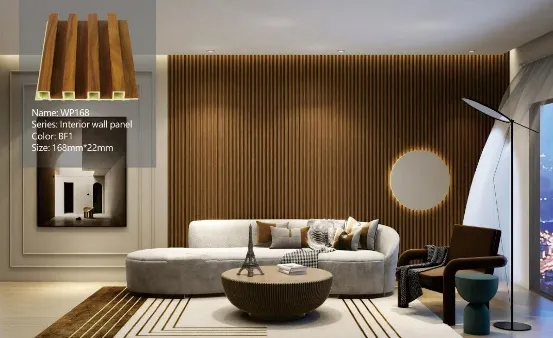
Let's start at the beginning, shall we? WPC stands for wood-plastic composite. Picture this: about 60-70% of these panels come from wood fibers (usually recycled), while the rest is made of tough plastics like PVC, polypropylene, or polyethylene. This blend gives you the best of both worlds:
These aren't your grandpa's wood panels that rot if you look at them wrong. These modern marvels resist mold, won't swell up when wet, don't care about termites, and shrug off UV rays that would bleach regular wood. And the best part? They ask very little of you in return. No annual staining or sealing parties needed!
You'll find them everywhere – from cozy living rooms and kitchens to busy office lobbies and restaurant patios. They've become a go-to choice for both residential and commercial building materials because they're attractive, easy to maintain, and tough as nails.
Okay, let's get to the big question: lifespan. While manufacturers throw around numbers like "15-50 years," that's a huge range, right? That's because where you put them and how you care for them makes a world of difference.
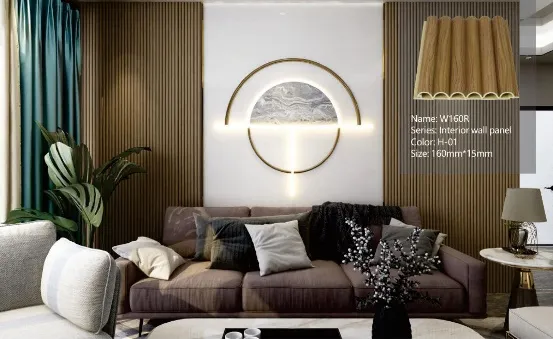
Think of it like this: WPC panels installed indoors away from harsh elements? You could have beautiful walls for 20-25 years, maybe even longer. That's a lifetime in home decor years!
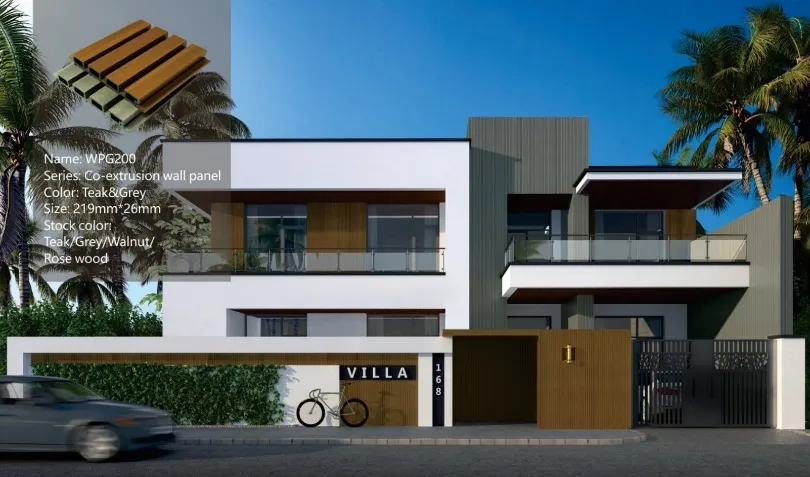
But put those same panels outdoors? Now you're dealing with a different ballgame. Sun beating down all day, rain pouring, snow freezing – it's tough out there! Even the best quality WPC panels outdoors might start showing their age around 15-20 years. But stick around, because later I'll show you how to push even that toward the higher end.
Ever notice how some people's homes still look brand new after 10 years while others seem aged after just a couple? It's the same with WPC panels. How long they really last comes down to six big factors:
Remember that wood-plastic blend? Well, the specific recipe is huge. Some manufacturers put in more wood fibers for that authentic wood look, but that means they might absorb moisture slightly more easily. Others go heavy on the plastic to boost water-resistance. There's no single "best" formula, but high-quality blends balance both goals beautifully.
This is a game-changer. Indoors, your panels mostly deal with humidity changes and maybe some splashes in the kitchen. But outdoors? Bring on the fight club!
This is where many otherwise fine projects go wrong. Just like you wouldn't build a house on a weak foundation, WPC panels need proper installation. Key things installers (or you, if DIYing!) must get right:
If you live somewhere mild, your panels get a relatively easy life. But coastal areas? Saltwater mist can be surprisingly corrosive over time. Heavy snow regions? Constant freeze-thaw cycles test any material. Hot deserts? UV exposure is brutal daily. Tailor your protection plans based on your location's unique challenges.
Some cheaper WPC panels might seem like a bargain, but they could use lower-grade recycled plastic or inconsistent wood fibers. Always choose established manufacturers who transparently discuss their materials. The flooring industry teaches us that upfront savings can lead to much higher costs down the road when replacement comes!
Top manufacturers don't just mix ingredients randomly. They use precise extrusion technologies that compact material tightly for better strength. They also apply protective surface coatings for enhanced UV resistance. This isn't about buying a brand name – it's about choosing companies that invest in sophisticated production methods.
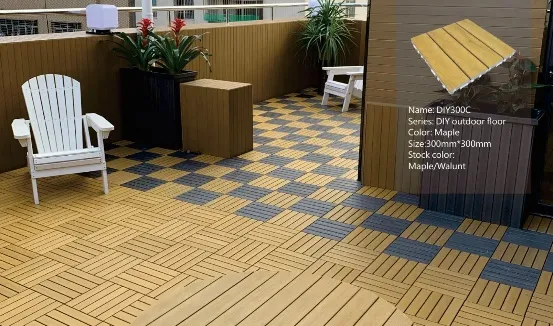
So how do you squeeze every possible year out of your investment? Simple habits go a long way:
Don't overcomplicate this! Every few months:
Think of it like washing your car – regular cleaning prevents buildup that can trap moisture or cause long-term staining.
Twice a year, do a panel walkthrough:
Catching minor problems early is so much easier and cheaper than replacing entire sections later!
Water is WPC panels' main enemy. Defend your walls:
Outdoor panels soak up UV rays daily. Fight back:
Here's a bonus tip many miss: because ceilings stay cleaner and avoid ground splashes or chair bumps, WPC panels tend to last even longer up there. If looking for a room transformation project, don't forget the "fifth wall" overhead!
Investing in durable WPC wall panels isn't just about having pretty walls. Over their extended lifespan:
You save money by avoiding premature replacements, while enjoying beautiful aesthetics. You reduce hassle since you won't be scheduling messy renovation projects every few years. And environmentally? Longer-lasting materials mean less waste in landfills over time.
Unlike traditional wood that requires frequent staining or painting, WPC panels let you spend weekends relaxing instead of doing maintenance. For contractors and architects, this means happier clients and fewer callbacks. For homeowners, it means enjoying your space instead of constantly tending to it.
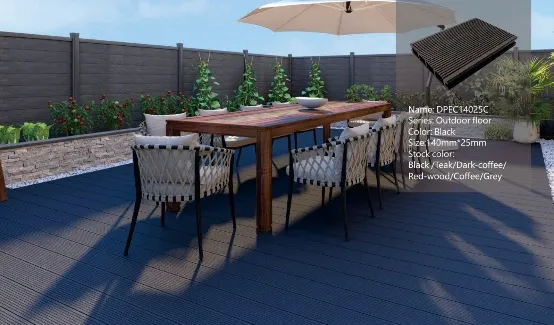
At the end of the day, WPC wall panels are pretty incredible. Blending nature’s beauty with cutting-edge engineering, they withstand the modern world while demanding little in return. Yes, they'll last years regardless – but following these steps? That's how you turn "good" into decades of wonderful.
So whether you're building something new or upgrading existing spaces, approach it like you'd care for anything valuable. Pick quality materials first. Get that installation perfect. Then keep up with simple, consistent protection. Do these things, and your walls won't just survive... they'll thrive.
Here's to your spaces looking gorgeous for decades to come!
[Keywords incorporated naturally: flooring, ceiling]
Recommend Products











