


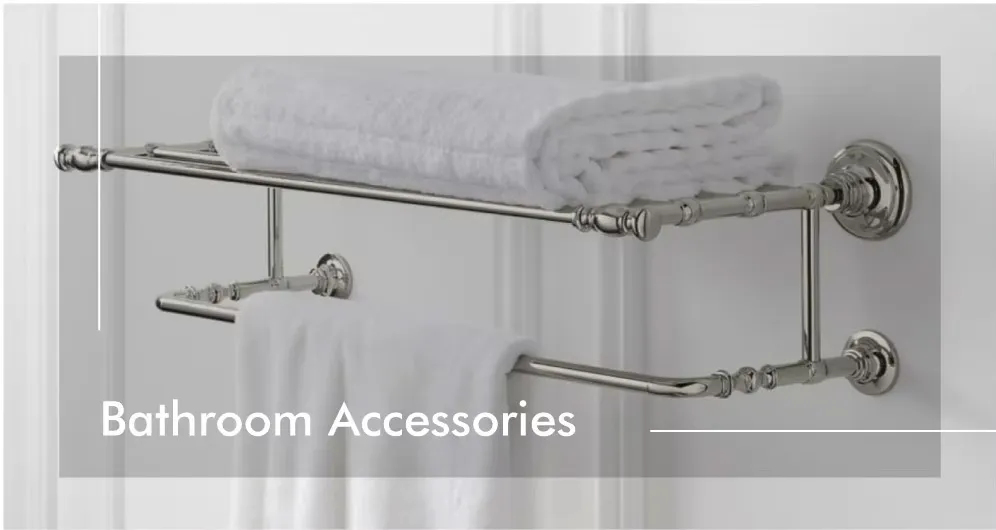
Because sparkling bathroom accessories make everyday routines so much better
If you're anything like me, that frustrating moment when you turn on the faucet and notice yet another layer of mineral crust building up - it just makes you sigh. Seriously, how does scale manage to appear overnight? One day everything sparkles, the next it looks like you've got geology experiments growing in your shower. That stubborn white crust isn't just an eyesore; it actually affects how well your fixtures work over time.
Consider this: A study by the Water Quality Association found that mineral deposits can reduce water flow in showerheads by up to 75% within just six months. But here's the thing we often miss – that scaly buildup harbors bacteria and mold that you absolutely don't want around your bathroom accessories. So ignoring it isn't just about aesthetics, it's about hygiene too.
Why Scale Happens & Why Material Matters
Hard water is the main culprit - packed with minerals like calcium and magnesium that cling to surfaces as water evaporates. But here's something crucial: different bathroom accessories need different approaches . What works for chrome faucets can destroy natural stone. That's why we've created this comprehensive guide organized by bathroom accessory material types.
Showerheads & Faucets (Chrome/Stainless Steel)
You know that moment when you unscrew your showerhead and find what looks like a cave formation inside? Vinegar is your friend here, but never use it at full strength on chrome finishes. Here's the right way:
- Mix equal parts white vinegar and warm water
- Pour into plastic bag, secure around fixture with rubber band
- Let sit 1-2 hours (no longer!)
- Remove bag and gently scrub with soft toothbrush
- Rinse thoroughly with water
Pro tip: For water conservation, consider aerators which also reduce scale buildup by limiting water flow while maintaining pressure. This affects shower systems too!
Tiles & Grout
Nothing makes a bathroom look dirtier than grimy grout lines. Scale loves porous grout. Skip harsh chemicals and make a paste with:
- Baking soda + hydrogen peroxide
- Apply with old toothbrush
- Let sit 10 minutes
- Scrub gently
For stubborn deposits, steam cleaners work wonders without chemicals. Treat your surfaces carefully – aggressive scrubbing can damage bathroom accessories like tile edges.
Toilet Systems
We've all seen those crusty deposits around the water line. Here's a little secret: Pumice stones are magic for porcelain. Just remember:
- Keep both stone and surface wet
- Use gentle, circular motions
- Rinse thoroughly after
For under-rim cleaning, cut the top off a plastic water bottle to create a targeted pouring tool for vinegar solutions.
Mirrors & Glass Shower Enclosures
Hard water spots make glass look perpetually dirty. Mix 50/50 water and distilled white vinegar in spray bottle. Spray on, then wipe down with newspaper (really!) instead of paper towels for streak-free shine.
For etched-in spots, make paste with baking soda and water, gently rub with microfiber cloth, then rinse completely. Remember that some modern shower enclosures have special coatings – always check manufacturer guidelines.
Soap Dispensers & Toothbrush Holders
These little bathroom accessories become bacteria factories if neglected. Every refill day, fill with warm water and drop in denture cleaning tablet. Let sit 15 minutes, rinse thoroughly. For plastic items, sun drying helps kill bacteria naturally.
Exhaust Fan Covers
That dusty buildup actually traps moisture particles. Remove cover monthly and soak in warm soapy water. Use vacuum cleaner attachment to clear internal ductwork dust accumulation that affects ventilation.
Bath Mats
Rubber-backed mats get sticky residue from hard water. Wash monthly with cup of vinegar added to detergent. For quick refreshes between washes, sprinkle baking soda liberally, let sit 15 minutes, then vacuum.
Prevention Better Than Cure
Honestly, the real win is preventing scale before it forms. These techniques really work:
- Squeegee ritual: After each shower, 30 seconds with squeegee saves hours of cleaning later
- Weekly wipe-down: Use microfiber cloth dampened with water only on all surfaces
- Water conditioner: Consider salt-free conditioner that alters mineral structure without softening water
Install a water softener if your hardness exceeds 7 grains per gallon. The investment pays off in longer-lasting plumbing and cleaner surfaces.
What Never to Do
Avoid these common mistakes that damage bathroom accessories:
- Never mix cleaning products (especially bleach + ammonia = toxic gas)
- Don't use abrasive cleaners on acrylic tubs
- Skip steel wool on chrome finishes
- Never use vinegar on natural stone
Quick Reference Guide
| Bathroom Accessory | Recommended Cleaning | Prevention Tip |
|---|---|---|
| Showerheads | 1:1 vinegar soak | Soak monthly |
| Glass Shower Doors | Vinegar spray + newspaper | Daily squeegee |
| Ceramic Tile | Baking soda paste | Seal grout annually |
| Stainless Sinks | Lemon juice wipe | Dry after each use |
Final Thoughts
With these tailored approaches for bathroom accessories, you'll spend less time scrubbing and more time enjoying your sparkling sanctuary. Remember – consistent gentle care beats quarterly deep cleans. Which solution will you try first?
For long-term success, consider consulting with building materials experts about specialized treatments. Quality fixtures like modern shower enclosures require particular maintenance approaches.










