
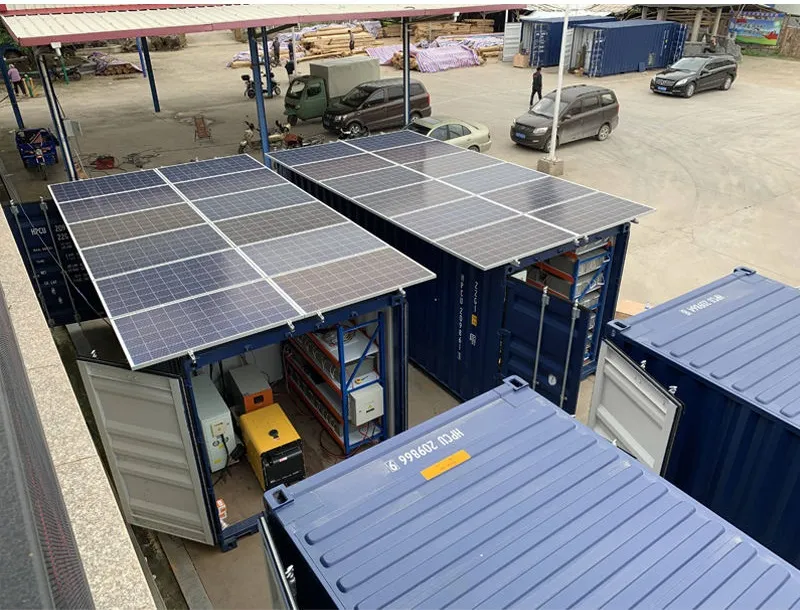
Solar panel operators are discovering how innovative hydrophobic coatings can cut cleaning costs by 60% while boosting energy output - a win-win made possible by nanotechnology advances.
Picture your local solar farm after six months without rain. What began as shimmering glass fields now resemble dusty car windshields after a road trip. This isn't just an aesthetic issue - it's stealing money. Studies show accumulated dirt can slash energy production by 25% in arid regions. The math adds up quickly: for a 10MW installation, that's $150,000 in lost revenue annually.
Traditional cleaning solutions involve either expensive robotic systems that scrape panels with abrasive brushes or manual crews spraying hundreds of gallons of water across delicate surfaces. In California's Central Valley, maintenance teams spend two full days monthly cleaning a medium-sized array, costing over $1,800 per visit. Multiply this across thousands of installations nationwide and we're talking billions in preventable expenses.
Enter self-cleaning coatings - the solar industry's best-kept efficiency secret. Unlike physical cleaning methods that operate intermittently, these nano-engineered surfaces work continuously to repel contaminants using nothing but sunlight and rainfall.
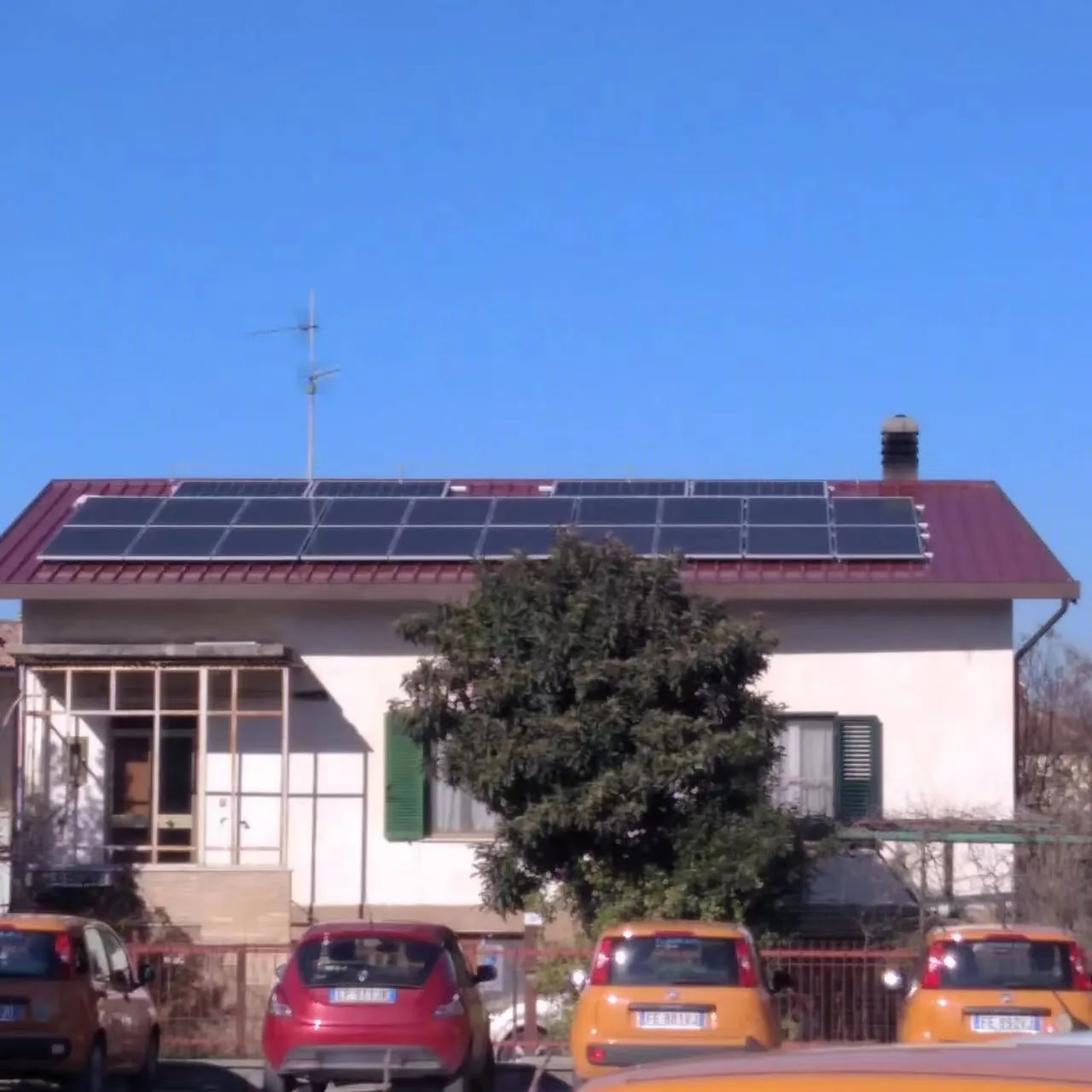
The science behind self-cleaning surfaces takes inspiration from lotus leaves. Those waxy plants perfected hydrophobic (water-repelling) behavior over millennia through microscopic structures that prevent water droplets from flattening. Instead, water beads up into spheres that roll across the surface, grabbing dust particles on their way down.
Modern coatings achieve this effect through either:
Diamond Solar Shield's dual-action coating exemplifies this technology. By day, its titanium dioxide layer oxidizes accumulated grime. When rain arrives, the hydrophobic surface layer causes water to sheet off at angles below 5 degrees - carrying away both loose particles and broken-down contaminants. Installation involves simple spray application during manufacturing or via mobile applicators to existing arrays.
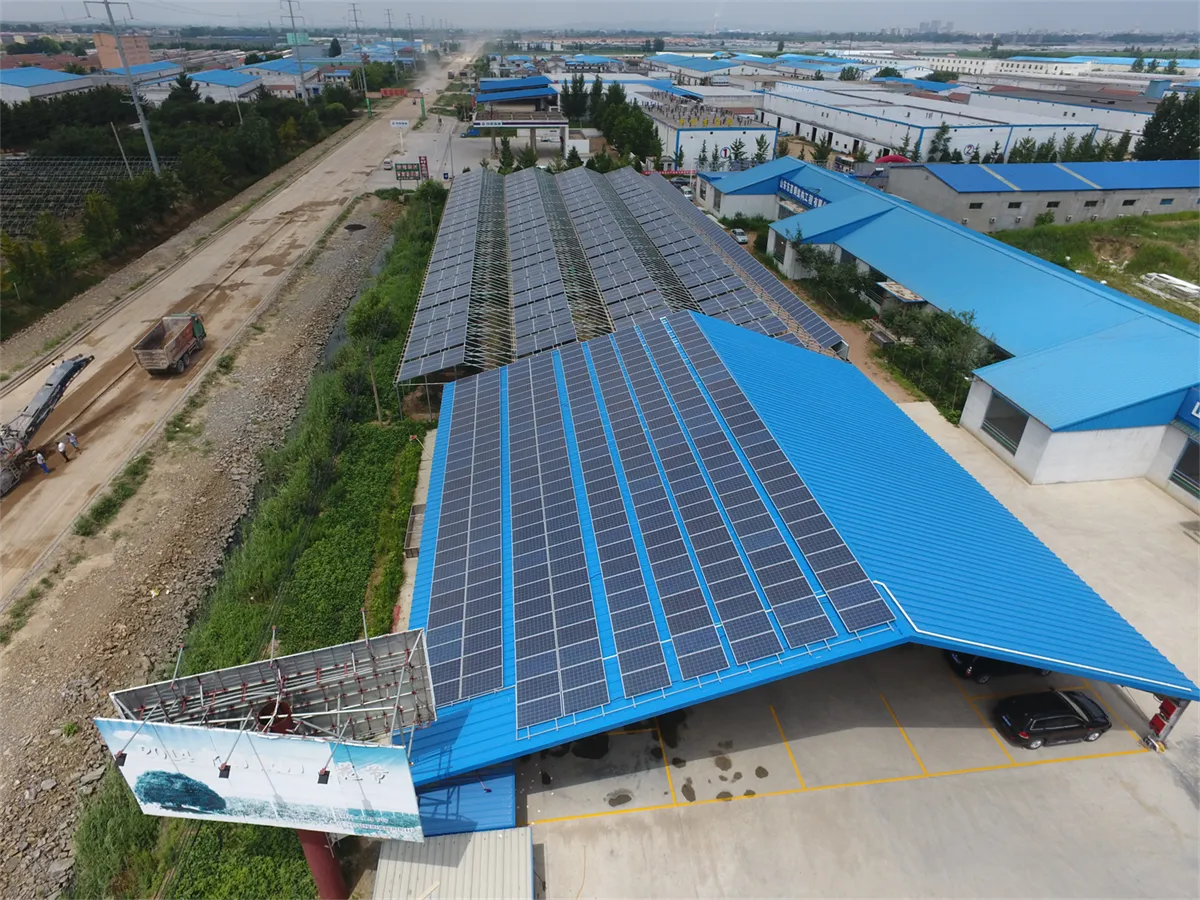
Solar maintenance budgets follow predictable patterns:
| Maintenance Approach | Annual Cost (per MW) | Energy Loss |
|---|---|---|
| Quarterly Manual Cleaning | $7,200 | 14-20% |
| Self-Cleaning Coating | $1,100 | 3-5% |
But the benefits extend beyond dollar savings. At Tucson Electric's Oso Grande installation, coating implementation eliminated 98% of manual cleaning needs while simultaneously boosting production by 9.3%. The system paid for itself in under eight months. Other operators report similar results:
When discussing sustainable solar panel solutions , consider Desert Green Energy's experience: "After applying nano-coatings, we reduced truck rolls by 85%, saving water and preventing carbon emissions from maintenance vehicles. For environmentally conscious operations, the coating has become as essential as the panels themselves."
Implementing coatings requires careful planning. Midwest Solar Partners learned this when applying their first coating in Minnesota. "We didn't account for morning dew cycles," recalls project lead Sarah Jennings. "The coating cured improperly below 50°F, requiring reapplication."
Best practices include:
Quality control testing involves simple field validation. The "water bead test" remains standard: droplets should maintain 145-165 degree contact angles. Newer installations add UV reflectivity measurements to confirm photocatalytic activity.
Next-gen coatings promise even greater efficiency. HelioTech Labs is developing "smart" coatings that change hydrophobic behavior based on temperature thresholds - becoming super-hydrophobic at extreme heat. Meanwhile, MIT's NanoEngineering group created coating material that actually gathers atmospheric moisture to assist cleaning in arid regions.
Dr. Elena Martinez, materials scientist at National Renewable Labs, sees particular promise in biomimetic approaches: "We're studying Namib desert beetles that harvest fog through specialized bump structures. Similar principles applied to coatings could revolutionize cleaning in no-rain climates."
For operators considering adoption, key considerations include:
Leading manufacturers now offer performance guarantees - SolarNano Solutions backs their coating with energy-output commitments, providing insurance-backed contracts that guarantee minimum performance thresholds.
At Phoenix Solar Ranch, Director Robert Chen shares their implementation strategy: "We phased coating deployment across our 350-acre site, prioritizing wind-facing sections. Even without rain, morning dew runs cleanly down panels, carrying away dust overnight. Our $320,000 investment saved $1.8 million in avoided cleaning in just three years."
Beyond financials, these coatings create sustainability benefits. Traditional panel cleaning in water-scarce regions like Arizona involves shipping water hundreds of miles. The Palo Verde installation previously consumed 1.3 million gallons annually for cleaning - equivalent to 200 family homes' yearly usage. Coating implementation eliminated 97% of this water demand.
The chemistry also matters. GreenShield's new plant-based hydrophobic compound avoids the perfluorinated chemicals used in early formulations. Made from modified soybean oil, it performs equally while being completely biodegradable.
Self-cleaning coatings represent that rare technological convergence where operational savings align perfectly with environmental stewardship. The numbers speak clearly: 60-90% reductions in maintenance labor, 80% less water consumption, and 8-12% higher energy yields from existing installations.
As solar farms proliferate globally, nano-coatings solve the dirty secret of solar energy: the cleaner the panels, the greener the power. With payback periods under two years becoming standard, and next-generation formulations on the horizon, this innovation finally delivers the maintenance-free solar future the industry has always promised.
Recommend Products












