
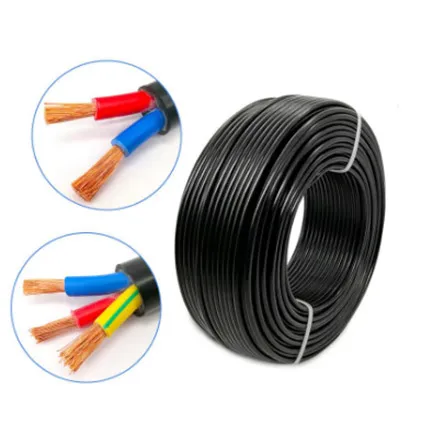
Walking into a boiler room or foundry is like stepping onto the surface of the sun. That intense, enveloping heat isn't just uncomfortable—it can literally melt standard cables within hours. Yet when industrial processes depend on uninterrupted power transmission in these extreme conditions, choosing the right high-temperature cables becomes more than a technical specification; it's about operational survival.
Whether you're an engineer specifying components for a new facility or a maintenance manager replacing aging infrastructure, this guide will walk you through the science, selection criteria, and practical realities of cables that laugh in the face of blistering heat. We'll skip the jargon and talk real-world performance—the kind that keeps production lines running when temperatures soar.
Picture what happens when you leave a plastic container near a stove. Now multiply that effect by industrial-grade heat sources. Standard cables exposed to temperatures above 150°C don't just soften—they:
The real danger? Heat damage is often invisible until failure occurs. By then you're facing costly downtime, safety hazards, and potential regulatory violations.
That 200°C rating on a cable spec sheet? It's meaningless without context. Real heat resistance comes from:
Not all polymers behave the same in ovens. The difference comes down to molecular structure:
True thermal stability isn't about a single miracle material—it's layered defense.
That humid, 150°C+ atmosphere creates unique cable killers:
The fix: Look for cables with: steam-resistant jacketing , hydrolysis-resistant insulation , and sealed conductor bundles .
Molten metal creates brutal conditions:
The fix: Prioritize cables with: splash-proof metal braiding , high-temperature flexible armoring , chemical-resistant outer layers , and thermal barrier tapes .
Glass furnaces emit infrared radiation that penetrates standard insulation. Unique challenges include:
The fix: Specify cables with: reflective outer layers , ceramic-based insulation , radiation-blocking materials , and corrosion-resistant alloys .
At room temperature, cables bend easily. At 250°C? That flexibility disappears. Always install with:
Metal conduits expand differently than cables. Prevent shearing forces with:
Electrical arcs create ozone that attacks rubber. Protect with:
Everything performs perfectly. Danger zone: No visible issues create false confidence. Secretly, polymer cross-linking has begun.
Insulation loses 15-30% elasticity. Cracking begins at stress points. Most installations show zero visible symptoms—this is when IR inspection matters.
Material embrittlement accelerates. Insulation resistance drops below critical thresholds. This is when unexpected failures hit during thermal cycles.
Pro Tip: replace cables at 70% of rated lifespan, not at failure. The cost differential is minimal compared to production downtime.
Detection Strategy: Use thermal imaging during full-load operation and insulation resistance mapping annually.
Selecting cables for extreme environments shouldn't feel like gambling with your operation's future. Remember:
The best high-temperature cable is the one you never notice—silently doing its job year after year, despite the inferno around it. That's the true mark of engineering excellence in harsh environments.
Whether facing molten metal splatter or steam-filled boiler rooms, choose cables designed not just to survive, but to thrive where others fail. That's how you keep operations running when the heat is on.
Recommend Products












