
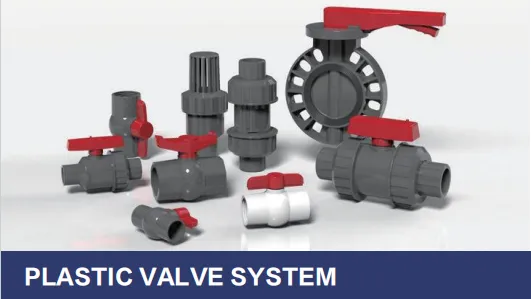
The Middle East is in the midst of a construction revolution. From the soaring skylines of Dubai to the sprawling residential complexes of Riyadh and the state-of-the-art hospitals in Doha, every project tells a story of ambition, innovation, and the relentless pursuit of excellence. But behind these architectural marvels lies a critical, often overlooked component: the plumbing and piping systems that keep buildings functional, safe, and sustainable. At the heart of these systems? Plastic valves—small in size, but monumental in impact.
For project managers, architects, and contractors, selecting the right plastic valve system isn't just a purchasing decision; it's a commitment to the longevity of the project. In a region where temperatures can spike above 50°C, water scarcity is a pressing concern, and regulatory standards are stringent, cutting corners on valve quality or compliance can lead to catastrophic failures, costly delays, and even reputational damage. That's why understanding local standards and partnering with a reliable plastic valve system supplier is not just advisable—it's essential.
This guide is designed to walk you through the nuances of selecting plastic valve system solutions tailored to Middle East projects. We'll explore the unique challenges of the region, break down the key local standards that govern plastic valve systems, discuss material considerations, and share insights on evaluating suppliers to ensure your project meets—and exceeds—expectations.
To appreciate the importance of local standards, you first need to understand the environment in which these valve systems operate. The Middle East isn't just hot; it's a place where extreme heat, high humidity, and aggressive water chemistry (think high salinity in coastal areas) put immense stress on building materials. Add to that the region's focus on sustainability—driven by both regulation and public demand—and you have a set of challenges unlike any other.
Take temperature, for example. In cities like Kuwait City or Jeddah, summer temperatures regularly exceed 45°C, and direct sunlight can push surface temperatures even higher. A plastic valve that performs flawlessly in a temperate climate might warp, crack, or lose structural integrity under these conditions, leading to leaks, pressure drops, or system failure. Similarly, in coastal areas like Dubai or Abu Dhabi, the salty air and groundwater can corrode metal components, making non-corrosive plastic solutions not just a preference, but a necessity.
Water scarcity is another critical factor. With most Middle Eastern countries relying heavily on desalination, water conservation is a top priority. Plastic valve systems, when designed correctly, offer superior flow control and leak resistance, helping reduce water waste. But not all plastic valves are created equal—those that don't meet local efficiency standards can undermine these efforts, leading to higher operational costs and potential non-compliance penalties.
Finally, there's the regulatory landscape. Each Gulf Cooperation Council (GCC) country has its own set of standards, often enforced by bodies like the Saudi Standards, Metrology and Quality Organization (SASO) in Saudi Arabia or the Emirates Authority for Standardization and Metrology (ESMA) in the UAE. These standards aren't just bureaucratic hurdles; they're carefully crafted to address the region's unique challenges. Ignoring them isn't just illegal—it's a gamble with your project's success.
When it comes to plastic valve systems in the Middle East, two standards stand out: SASO (Saudi Arabia) and ESMA (UAE). While other GCC countries like Qatar and Bahrain often align with these frameworks, it's crucial to verify local variations for your specific project location. Let's break down what these standards entail and why they matter.
The Saudi Standards, Metrology and Quality Organization (SASO) is responsible for setting and enforcing standards across all industries in Saudi Arabia, including construction materials. For plastic valves, SASO's specifications (such as SASO 1470/2019 for PVC pipes and fittings) focus on three critical areas: material composition, performance under extreme conditions, and safety.
Material composition: SASO mandates that plastic valves must be made from virgin (not recycled) materials to ensure consistency and durability. This is particularly important for UPVC (Unplasticized Polyvinyl Chloride) valves, which are widely used in the region for their chemical resistance and low cost. Recycled plastics can introduce impurities that weaken the valve, increasing the risk of failure under high pressure or temperature.
Performance testing: SASO requires valves to undergo rigorous testing, including pressure testing at 1.5 times the maximum operating pressure (often 16 bar for domestic systems) and temperature cycling between -10°C and 60°C. This ensures valves can handle Saudi Arabia's extreme temperature fluctuations, from cold desert nights to scorching days.
Safety: All plastic valves must be lead-free and comply with international health standards (such as NSF/ANSI 61) to ensure they don't leach harmful chemicals into drinking water—a critical requirement for residential and healthcare projects.
The Emirates Authority for Standardization and Metrology (ESMA) oversees standards in the UAE, with a focus on sustainability and innovation. ESMA's standards for plastic valves (such as ES 5299 for PPR pipes and fittings) are often more stringent than international norms, reflecting the UAE's ambition to be a global leader in green construction.
One key difference between ESMA and SASO is ESMA's emphasis on energy efficiency. For example, ESMA requires plastic valves used in hot water systems to have low thermal conductivity, reducing heat loss and lowering energy consumption. This aligns with the UAE's goal of achieving net-zero carbon emissions by 2050 and makes ESMA-compliant valves a preferred choice for LEED-certified projects.
ESMA also places a strong emphasis on third-party certification. Unlike some regions where self-declaration is allowed, ESMA requires valves to be tested and certified by accredited laboratories (such as SGS or Intertek) before they can be sold in the UAE. This provides an extra layer of assurance that the product meets the stated standards.
To help you navigate the standards landscape, here's a comparison of the most relevant requirements for plastic valve systems in the Middle East:
| Standard Body | Key Specification | Temperature Range | Max Pressure Rating | Material Requirement | Certification Requirement |
|---|---|---|---|---|---|
| SASO (Saudi Arabia) | SASO 1470/2019 (PVC) | -10°C to 60°C | 16 bar (domestic) | Virgin PVC only | SASO mark + NSF/ANSI 61 |
| ESMA (UAE) | ES 5299 (PPR) | 0°C to 95°C (hot water) | 20 bar (commercial) | Virgin PPR + UV stabilizers | ESMA certificate + third-party lab test |
| Qatar Construction Specifications (QCS) | QCS 2014 Section 15 | -5°C to 65°C | 16 bar (residential) | Lead-free, corrosion-resistant | Qatar Civil Defense approval |
With standards in mind, the next step is selecting the right plastic material for your valve system. The Middle East's climate and water conditions make some plastics better suited than others. Here's a breakdown of the most common options and how they align with regional requirements:
Unplasticized Polyvinyl Chloride (UPVC) is the most widely used plastic for valves in the Middle East, and for good reason. It's affordable, chemically resistant (ideal for saline groundwater), and easy to install. UPVC valves are commonly used in cold water supply systems, drainage (DWV) systems, and irrigation networks—applications where temperatures remain below 45°C.
When sourcing UPVC valves, look for a reputable upvc pipe supplier who also offers valve systems. This ensures compatibility between pipes and valves, reducing the risk of leaks at connection points. For example, a project in Riyadh's King Abdullah Economic City recently avoided costly rework by partnering with a single supplier for both UPVC pipes and valves, ensuring the threading and dimensions matched perfectly.
Polypropylene Random Copolymer (PPR) is gaining popularity in the Middle East, especially for hot water systems and commercial projects. Unlike UPVC, PPR can withstand temperatures up to 95°C, making it suitable for hotels, hospitals, and residential buildings with central heating. PPR also has excellent impact resistance, which is crucial in areas prone to earthquakes (such as parts of Iran and Oman).
A ppr pipe and fitting supplier with experience in Middle East projects will often add UV stabilizers to PPR valves to prevent degradation from prolonged sun exposure—an important modification for outdoor installations like swimming pool systems or exterior plumbing. In Dubai's Palm Jumeirah, for instance, a luxury resort used PPR valves with UV protection in its outdoor shower systems, ensuring they remained functional despite year-round sun exposure.
Polyethylene (PE) valves are less common in building plumbing but are widely used in large-scale infrastructure projects like water distribution networks and wastewater treatment plants. PE is flexible, corrosion-resistant, and lightweight, making it ideal for underground installations where soil movement is a concern. In Saudi Arabia's NEOM project, PE valves are being used to transport desalinated water over long distances, thanks to their low friction loss and durability.
While PE isn't a primary focus for most building projects, it's worth noting that many plastic valve system suppliers also offer PE solutions, making them a one-stop shop for projects with diverse plumbing needs.
Meeting local standards is the baseline—but to truly ensure project success, you need a supplier who goes above and beyond. A plastic valve system supplier isn't just a vendor; they should be a partner who understands your project's unique needs and can provide technical support, timely delivery, and post-installation service. Here are the key criteria to consider:
Let's put this into context with a real-world example. A recent residential project in Abu Dhabi required plastic valves for 500 apartments. The project manager initially considered a low-cost international supplier but ultimately chose a local plastic valve system supplier with ESMA certification. Why? Because the local supplier provided on-site training for the installation team, offered a 10-year warranty (double the international supplier's 5-year warranty), and could deliver replacement valves within 24 hours if needed—critical for keeping the project on schedule.
To illustrate the impact of selecting the right plastic valve system solutions, let's look at the King Fahd Medical City expansion in Riyadh. This project, which added 300 beds and a state-of-the-art surgical wing, required plumbing systems that were not only compliant with SASO standards but also met the strict hygiene requirements of a healthcare facility.
The project team initially considered metal valves, but quickly realized they would be prone to corrosion from the city's high-salinity water. Instead, they partnered with a plastic valve system supplier specializing in healthcare projects, selecting PPR valves with Class A fireproof properties (aligning with the hospital's safety protocols) and UPVC valves for cold water systems. The supplier provided SASO 1470 certification for the UPVC valves and ESMA approval for the PPR components, ensuring compliance with both Saudi and UAE standards (the project's consultant was based in Dubai).
During installation, the supplier's technical team conducted workshops on proper PPR welding techniques, reducing the number of leak points by 40% compared to the hospital's previous expansion. Post-installation, the supplier offered a 24/7 hotline for any issues, and when a batch of valves was found to have minor threading inconsistencies, they replaced them within 48 hours at no cost. Today, the hospital's plumbing systems operate flawlessly, with zero valve-related issues in over two years of operation.
Selecting plastic valve system solutions for Middle East projects is about more than checking boxes on a specification sheet. It's about understanding the region's unique challenges, prioritizing compliance with local standards like SASO and ESMA, and partnering with a supplier who shares your commitment to quality and sustainability.
Whether you're working on a residential tower in Doha, a commercial complex in Kuwait, or a hospital in Riyadh, the right plastic valve system will ensure your project is safe, durable, and efficient. By focusing on material selection, verifying compliance, and evaluating suppliers based on experience and support, you can avoid costly mistakes and build with confidence.
At the end of the day, plastic valves may be small components, but they play a big role in the success of your project. Choose wisely, and your buildings will stand strong—even in the Middle East's toughest conditions.
Recommend Products












