
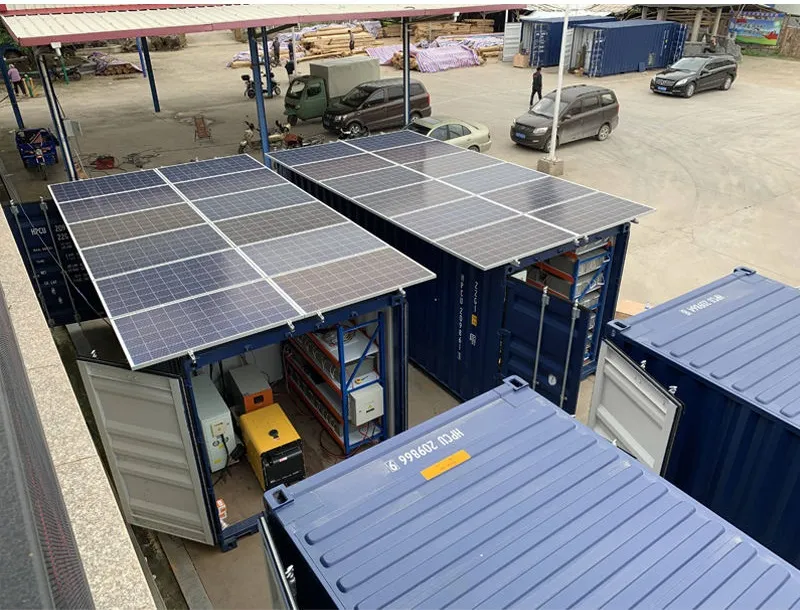
So you're considering used solar panels? Smart move. Getting quality second-hand modules can save you 50-75% compared to new. But let's be real – this space has more pitfalls than a minefield. One wrong purchase and those "savings" evaporate faster than morning dew. I've seen too many folks get burned by hidden defects or overpay for panels that'll die in 5 years.
Think of solar panels like used cars – mileage matters. Standard degradation runs 0.5-1.9% annually. I once inspected modules losing 3% yearly! That's like buying a car with double the mileage shown on the odometer. Watch for snail trails (white marks on cells), yellowing encapsulant, or hotspots in infrared scans. These are screaming "early retirement!"
Counterfeit labels are rampant. I've seen stickers from premium brands slapped on bargain-bin panels. Always verify three things: serial/model numbers and electrical data match the solar panel suppliers datasheet online (EnergyBin has a good repository). Check certification authenticity through TÜV Rheinland's Certipedia.
Water damage is the cancer of solar panels. Look for micro-cracks near junction boxes or corrosion on backsheets. One simple trick? Breathe on the glass surface. If fogging patterns appear uneven, lamination's failed. That panel's essentially a ticking time bomb.
No performance history? Red flag. Legit sellers provide maintenance logs and inspection reports. Ask for:
Translation: "You're buying our garbage." Common on auction sites. Never accept this unless you're getting panels for pennies and have repair capabilities. Even then, treat it like radioactive material.
I've watched fork-lift drivers pierce pallets through panel centers. Always demand:
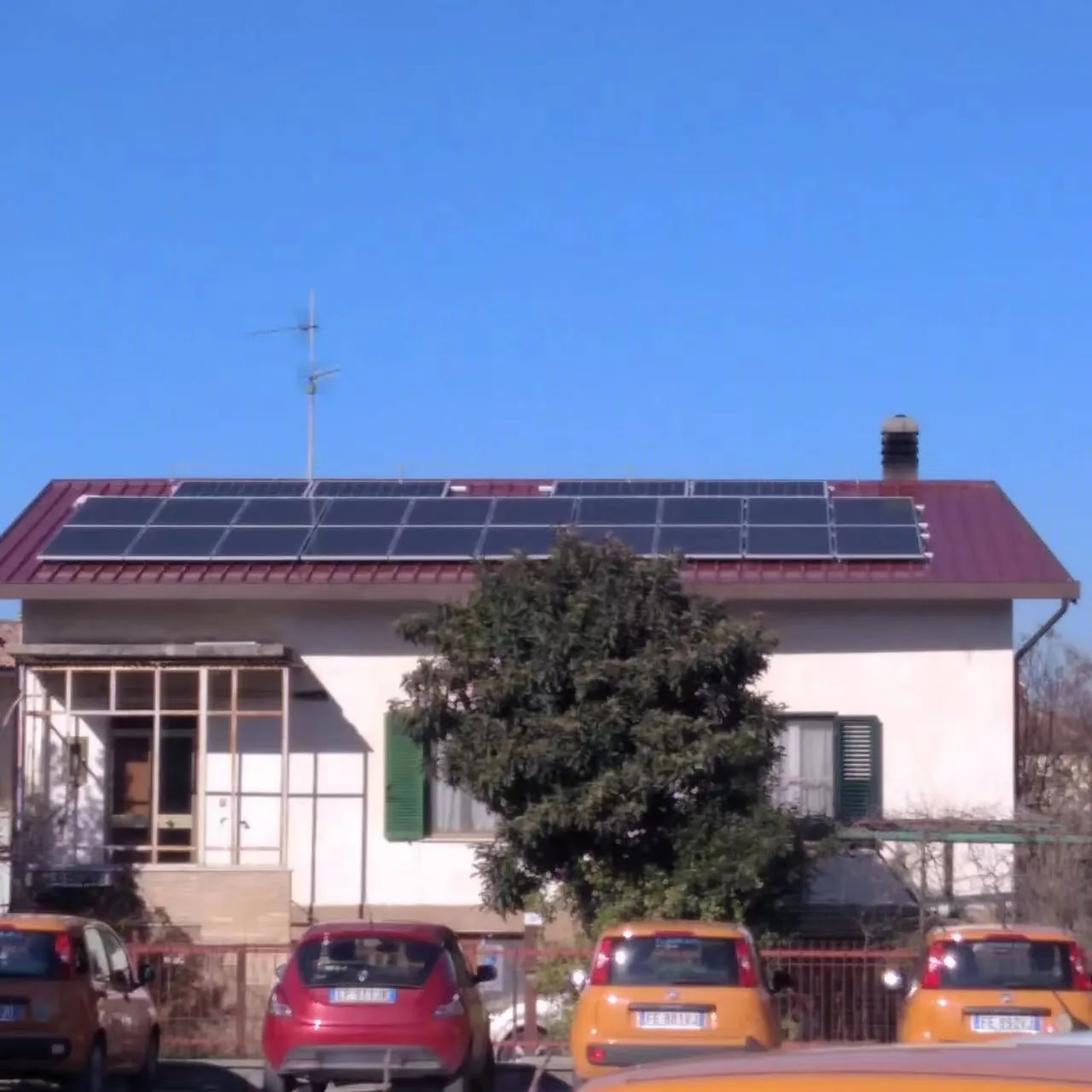
Don't trust sellers' pretty PDFs. Pack these essentials:
Work systematically:
Here's how to spot underperformers:
Real talk: If the seller "can't provide access" for testing, their panels are probably coasters.
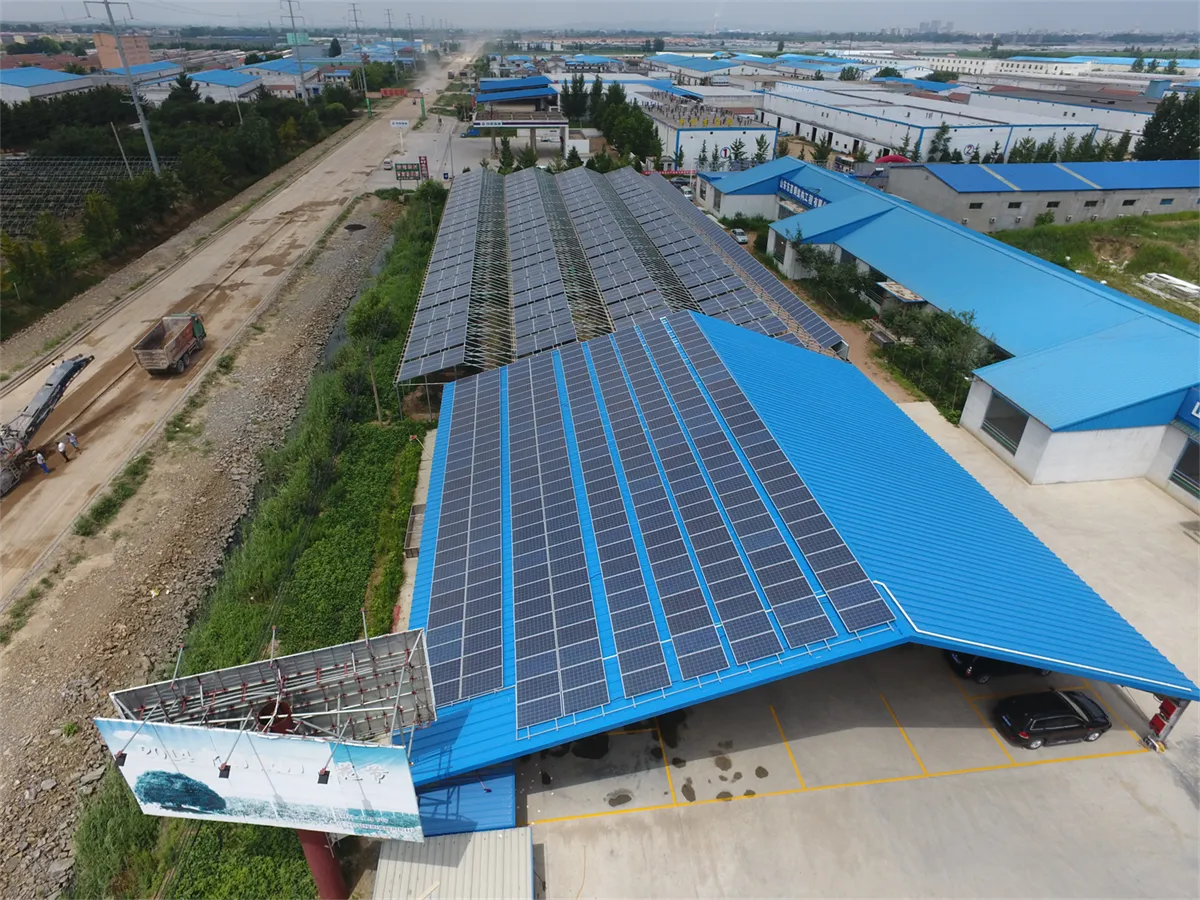
Costs $50-100 per panel but worthwhile for bulk purchases. Labs use xenon lamps to simulate full sun. They'll give you:
For panels over 7 years old, get degradation control testing. Top labs like PVEL use electroluminescence imaging. You'll discover:
Wet leakage testing checks insulation integrity. Found corrosion? Test every panel in the lot. Water damage spreads like gossip in small towns.
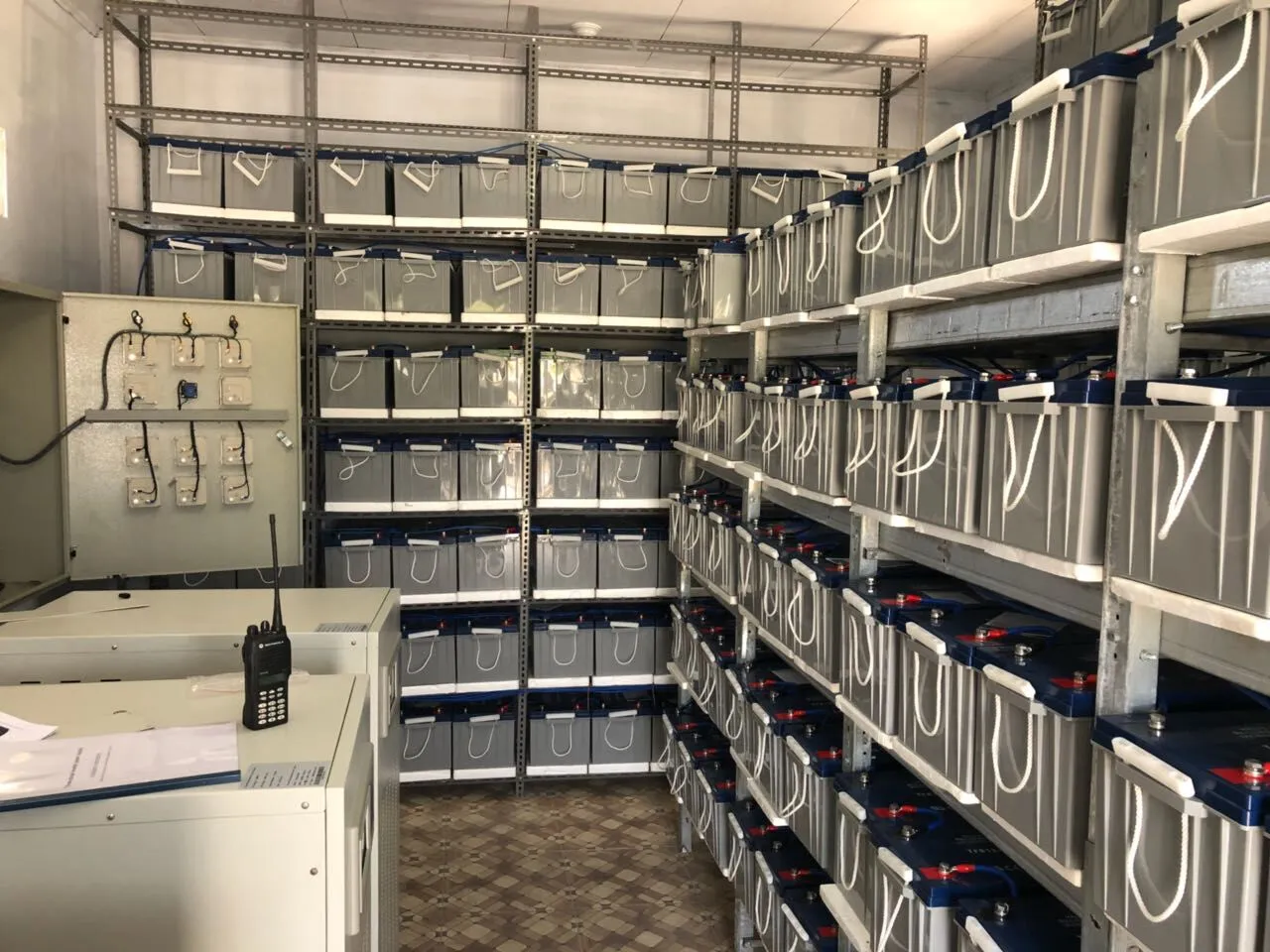
Discount these percentages immediately:
Pay more for:
This performance standard means panels survived accelerated stress testing for:
But here's the catch – these apply ONLY to original configurations. Replacement parts void certification unless recertified.
The safety bible covering:
Warning: Modified panels must get recertification. Don't take shortcuts.
Your due diligence checklist:
| Data Point | Why It Matters |
|---|---|
| Technology Type | Monocrystalline holds value better than poly |
| Busbar Count | Higher count (5-12) means better resilience |
| Voc at STC | Verifies electrical stability under standard conditions |
Seeing "refurbished" tags? Scrutinize deeply. Proper refurb means:
Anything less isn't refurbishment – it's window dressing. Expect 1-5 year warranties from reputable players.
Buying used solar doesn't have to be gambling. Remember:
Procuring quality second-hand panels takes work, but follow this roadmap and you'll build reliable solar arrays without the premium price tag. Now go harness that sun!
Recommend Products












