
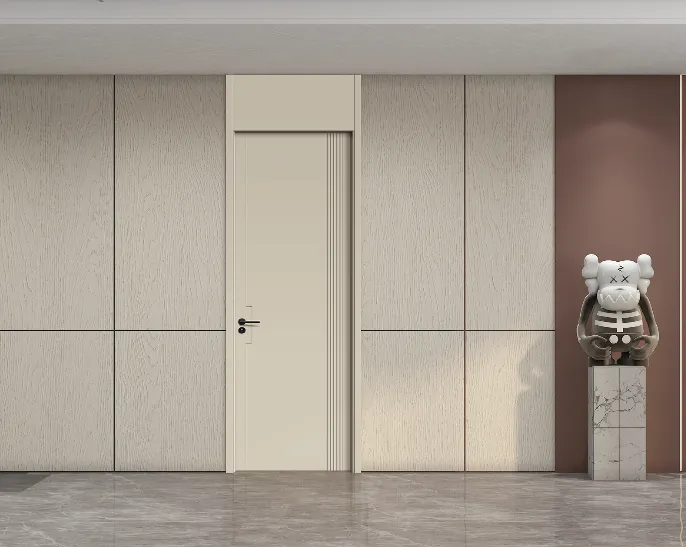
A living relationship with your wooden doors through the changing seasons
Opening your front door should feel like coming home—that welcoming embrace when the wood feels just right under your hand. But when humidity shifts? That same door might stick, groan, or develop worrying cracks. Don't blame the wood; it's just responding to the environment.
Having guided homeowners through decades of seasonal changes, I've learned solid wood doors aren't just entryways—they're relationships. When you understand their language of expansion and contraction, you become partners rather than adversaries. This guide walks you through that conversation across all four seasons.
Wood's cellular structure is like countless miniature straws that absorb and release moisture from the air. A perfect equilibrium exists around 8-12% moisture content depending on your climate. That sweet spot keeps doors stable and happy.
Consider these numbers: A standard door may expand by 1/8 inch across its width when humidity jumps from 30% to 70%. Temperature fluctuations add another dimension—wood expands when warm and contracts when cool.
The cracks aren't wood misbehaving—they're desperate stress releases when movement gets restrained. As with any relationship, the solution isn't control, but understanding and accommodation.
| Purpose | Tools | Why It Matters |
|---|---|---|
| Cleaning | Microfiber cloths, pH-neutral wood cleaner | Removes grit without stripping finishes |
| Inspection | Flashlight, magnifying glass | Catching small cracks early prevents big issues |
| Humidity Management | Digital hygrometer, wood-safe oil | Monitors moisture & maintains moisture balance |
| Seasons Transition | Wood wax, silicone lubricant | Prepare doors for seasonal shifts |
Post-winter inspection after moisture-rich months:
"I gently encourage wood fibers to release trapped moisture," says master craftsman Elena Rossi. "Thin coats of flaxseed oil work wonders."
Combat sticky doors and mold risks:
Remember: Wood expands when humid. Leave gaps around doors unsealed to accommodate this natural swelling.
Critical transition period:
Woodworker James Tanner advises: "Switch to beeswax-based conditioners. They prepare wood like winter coats prepare skin."
Low humidity means dehydration control:
Keep interior humidity at 35-45%. Wood stoves? Move doors further away or install protective screens.
When selecting finishes and treatments:
These green and environmentally friendly building materials allow wood to breathe naturally while offering protection—mirroring how forests regulate moisture without human intervention.
Strategic placement helps absorb humidity swings:
These materials act like sponges, absorbing excess humidity when conditions change suddenly—your first line of defense.
Don't immediately sand it down! Place a dehumidifier near the door for 24 hours before deciding. Often, humidity is the culprit.
Mix sawdust from your wood type with wood glue, press into cracks, and let cure naturally. The result blends invisibly.
A syringe filled with pure graphite powder applied to hinges solves friction without messy lubricants that attract dust.
Caring for wood becomes meditation if you let it. There's poetry in learning the ebbs and flows of natural materials—honoring how they live and breathe alongside us.
Traditional Japanese wood philosophy calls this "ki-zukai" (気遣い)—the art of thoughtful material relationship. It recognizes that just like us, wood reacts to humidity changes by opening and closing its cellular pores. The solution isn't rigid perfection but flexible adaptation.
While DIY approaches solve most issues, seek expert help when:
Master woodworkers possess specialized tools like:
The secret to preventing cracks doesn't lie in constant vigilance but in understanding wood's organic relationship with the environment. By tuning into your door's subtle signals each season—a slight stiffness in spring, a whisper of contraction in winter—you honor its nature.
Humidity changes aren't threats; they're the seasons of a door's life. When you approach maintenance with flexibility and seasonal intelligence, your solid wood door won't just withstand climate shifts—it will flourish for generations, becoming a testament to harmonious coexistence with the elements.
Recommend Products












