
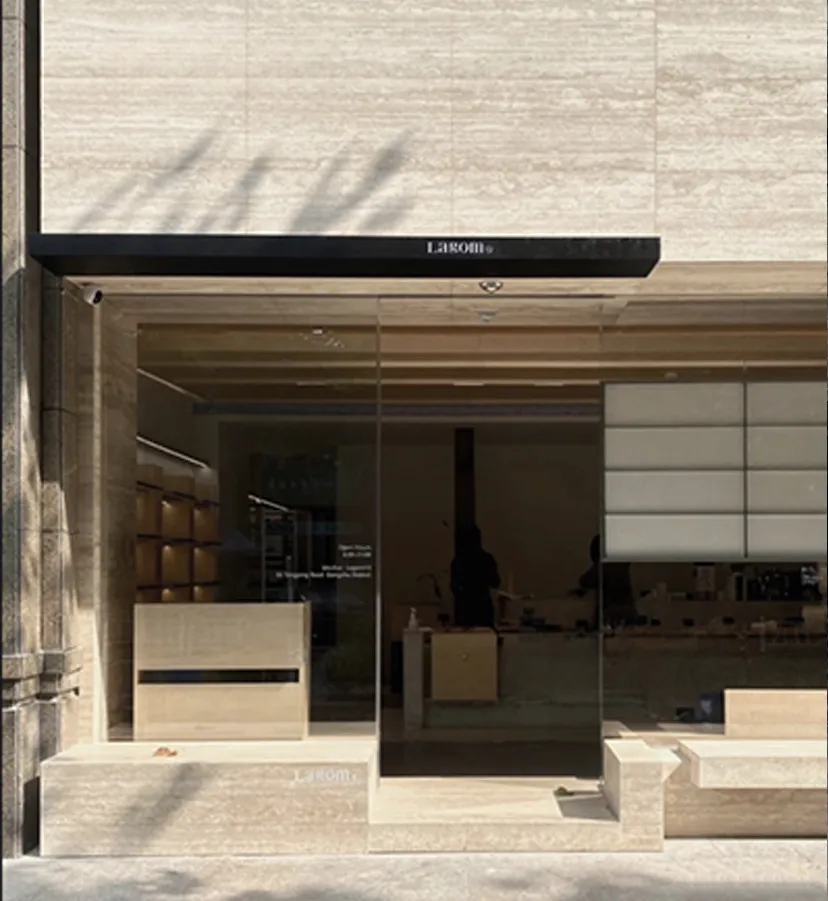
Picture that stunning travertine floor in your entryway or those elegant countertops in your kitchen. Travertine isn't just another pretty stone - it's nature's artwork, formed over centuries by mineral-rich waters depositing layers of calcite. Those beautiful swirls and distinctive pits? They're like travertine's fingerprints, each piece telling its own geological story. But those natural pores that create its character also make it vulnerable. Like a sponge, unprotected travertine will happily soak up spilled wine, oils, and cleaning chemicals, leading to stains that can break your heart.
I've seen too many homeowners devastated when their prized travertine surfaces get ruined simply because they used the wrong cleaner or delayed sealing. Unlike porcelain tile flooring that boasts a vitrified surface, travertine's open pores demand a protective barrier. Without it, acidic substances like lemon juice or vinegar will etch the surface, leaving dull marks that no amount of scrubbing will fix. Water penetration can cause efflorescence - those ugly white mineral deposits that seem to appear out of nowhere. That's why understanding sealing cycles and cleaning taboos isn't just maintenance - it's preserving nature's masterpiece in your home.
Sealing isn't a one-and-done affair - it's an ongoing relationship with your stone. Think of sealant as travertine's invisible raincoat. It doesn't create a plastic-like layer but instead penetrates the pores to create an oil-and-water-repelling barrier while letting the stone breathe. But this shield gradually wears down, needing reinforcement in a rhythm determined by your stone's lifestyle.
◼️ High-traffic interiors (kitchens, hallways): Reseal every 12-18 months
◼️ Low-traffic interiors (bedrooms, formal dining): Every 2-3 years
◼️ Outdoor surfaces (patios, pool decks): Yearly before winter
◼️ Wet environments (bathrooms, showers): Every 10-12 months
Unsure when to reseal? It's simpler than you think. Sprinkle water on your travertine. If it beads up like morning dew on a leaf, your seal is strong. If it darkens the stone within 5-10 minutes, disappearing into the pores? Your stone is thirsty for a fresh sealant coat. I always do this seasonally as a preventive check.
All cleaning products aren't created equal - especially for porous surfaces. What safely cleans porcelain tile would be disastrous for travertine. Always remember: this stone is fundamentally calcium carbonate, so anything acidic or abrasive becomes its enemy. Even natural solutions like vinegar or lemon juice you'd use elsewhere become destructive acids here.
️ Acidic cleaners : Vinegar, lemon juice, bleach, bathroom scrubs
️ Abrasive materials : Steel wool, powdered cleansers
️ Ammonia-based products : Window cleaners, all-purpose sprays
️ Oil-based soaps : Leave residue that accelerates resealing needs
Dropped that merlot last night? Don't panic! Blot - never rub - with a microfiber cloth immediately. For oil stains, make a poultice with baking powder and acetone. For water rings, sometimes just letting it evaporate naturally is safest. For pet accidents, enzyme-based stone cleaners work wonders. The golden rule: the faster you respond, the less likely stains will become permanent memories.
Walking down the sealant aisle can feel overwhelming. Do you choose penetrating or topical? Water-based or solvent? Wet-look enhancer or natural finish? Your answers depend on both aesthetic desires and functional needs. For kitchen counters where wine spills happen, a nano-tech sealer that penetrates deep might be best. For an outdoor patio that sees harsh weather, a solvent-based hybrid offers superior freeze-thaw resistance.
Many homeowners make the mistake of choosing high-gloss sealants for slippery pool decks or matte finishes for dark stone where they want pop. My rule? Always test sealants on sample pieces or inconspicuous areas first. That "wet look" sealer might unexpectedly darken your beige travertine in ways you hadn't imagined. And don't forget location matters - outdoor sealants need UV inhibitors while indoor sealers prioritize stain resistance.
Before sealing, we need to triage any damage. Etching - those whitish dull spots from acidic exposure? Mild cases respond beautifully to polishing powder rubbed in gentle circles. Deeper etches need diamond abrasive pads at progressive grit levels. For chips and cracks, color-matched epoxy applied with surgical precision saves stones from replacement. And always do these repairs before sealing, not after.
One homeowner I worked with had let citric acid drips ruin her kitchen island. Rather than replace the stone, we spent a weekend painstakingly polishing out the damage. Today? You'd never know it happened. This restoration step is crucial - sealing over damaged areas just locks in imperfections permanently.
Freeze-thaw cycles are travertine's biggest winter enemy. Water seeps into pores, freezes, expands, and literally cracks the stone from within. Autumn sealing with a premium penetrating sealer is as essential as winter tires. Before freezing temperatures hit, apply sealant and ensure perfect drainage around outdoor installations.
Summer brings different battles. UV damage gradually bleaches and weakens stone. Use sealants with UV inhibitors, and consider architectural shading solutions. Notice darkening near windows? That's often UV degradation, not dirt. A properly selected sealer acts like sunscreen, protecting the stone's integrity while preserving its natural beauty.
Maintaining travertine responsibly means protecting both your investment and the planet. Start by choosing eco-certified, low-VOC sealants and cleaners. Simple preventative measures like quality doormats reduce abrasive dirt tracked onto floors. Placemats under dining dishes prevent etching from citrus and vinegar. And use microfiber mops - they clean effectively without chemicals, plus they're machine washable.
Even recycling plays a role - leftover sealants shouldn't go down drains. Many manufacturers take back unused portions. These small choices add up, creating a maintenance routine that's gentle on your stone and the environment.
Properly maintained travertine doesn't just look beautiful year after year - it literally increases your property value. Unlike surfaces requiring replacement, well-cared-for stone develops character without depreciation. It's timeless, sustainable, and connects us to nature inside our homes.
Remember that sealed travertine repels stains and etching, resisting daily threats from cooking splatters to tracked-in rain. Maintenance costs diminish over time as you prevent damage requiring professional intervention. Ultimately, caring for travertine through regular sealing and safe cleaning creates lasting beauty that far outlives alternatives.
Recommend Products












