


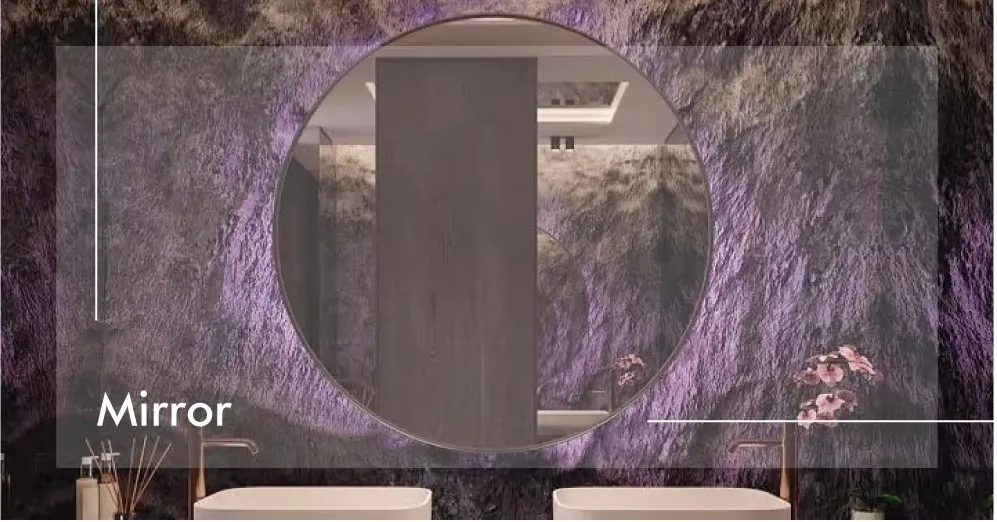
Mirrors are more than just functional pieces – they shape perceptions, enhance ambiance, and influence customer experiences. Discover how choosing the right mirror impacts high-traffic zones like airports, malls, and fitness centers.
The Crucial Role of Mirrors in Commercial Design
Ever notice how mirrors transform cramped hotel lobbies into expansive spaces? Or how gyms use wall-to-wall mirrors to create energy? In commercial environments, mirrors serve three critical functions:
- Spatial illusions : Doubling perceived space in compact areas
- Safety enhancement : Eliminating blind spots in corridors
- Brand reinforcement : Luxury hotels use bevelled edges to signal elegance
Yet many facilities managers regret their mirror choices within 6 months when scratches create ghostly smudges, turning sleek decor into tired eyesores.
Dissecting Mirror Types
Standard Mirrors: The Conventional Choice
Traditional mirrors feature a basic silver backing on standard float glass. They're the economic default for spaces with minimal traffic:
Advantages:
- Low upfront cost (30-50% cheaper than scratch-resistant)
- Widely available replacements
- Adequate for decorative walls or ceilings
Drawbacks:
- Scratch marks appear after just 200 cleaning cycles
- Degrades under chemical cleaners used in healthcare facilities
- Creates maintenance headaches in busy environments
Scratch-Resistant Mirrors: The Durable Solution
Premium alternatives feature either hardened glass surfaces ( 7H hardness rating ) or protective nano-coatings that add molecular armor. Think of it as a "screen protector" for commercial mirrors.
"In our Dubai Mall renovation, scratch-resistant mirrors reduced maintenance costs by 60% – they withstand luggage impacts that destroyed our previous installations." – Ahmed Khalid, Facilities Director
Head-to-Head Comparison
| Factor | Standard Mirrors | Scratch-Resistant Mirrors |
|---|---|---|
| Lifespan in High Traffic Areas | 1-2 years | 5-7+ years |
| Impact Resistance | Breaks at 4psi pressure | Withstands 9psi+ impacts |
| Maintenance Cost | $8-$12/sf annually | $2-$4/sf annually |
| Chemical Resistance | Erodes under strong cleaners | Tolerates hospital-grade disinfectants |
| Aesthetic Degradation | Noticeable wear in 3 months | Minimal change after 18 months |
Real-World Validation: Airport Restroom Installation
Chicago O'Hare's Terminal 3 bathroom renovation tested both types:
Standard mirrors: Required replacement after 14 months due to micro-scratches from cleaning tools and luggage impacts, creating visual distortions.
Scratch-resistant versions: Showed only superficial marks after 36 months despite 500 daily cleanings – bathroom mirror installations proved especially resilient against aerosol chemicals.
The airport saved $47,000/year in maintenance by switching to scratch-resistant mirrors.
Making the Smart Choice
For truly high-traffic areas (400+ daily users), scratch-resistant mirrors outperform in lifecycle cost calculations:
- Gyms/Fitness Centers: Withstands equipment impacts and frequent cleaning
- Retail Stores: Maintains flawless reflections for clothing displays
- Hotels/Hospitals: Tolerates harsh disinfectants without clouding
Standard mirrors still suffice for:
- Private offices with limited access
- Decorative ceiling installations
- Temporary event spaces
Final Recommendation
The mirror choice boils down to traffic patterns and design lifespan. For spaces seeing constant activity, the 30% premium for scratch-resistant versions pays for itself within 18 months through reduced maintenance and replacement costs. Standard mirrors remain viable for low-impact zones where visual perfection isn't critical.
Tip: When selecting scratch-resistant options, verify the hardness rating (7H+) and ask for abrasion test data. Quality varies significantly between manufacturers.










