

In the heart of the Arabian Peninsula, a transformation is underway. Saudi Arabia, long known for its vast deserts and oil reserves, is now writing a new chapter—one where gleaming skyscrapers pierce the skyline of Riyadh, sustainable resorts line the Red Sea coast, and futuristic cities like NEOM rise from the desert sand. This isn't just construction; it's the realization of Saudi Vision 2030, a bold blueprint to diversify the economy, empower communities, and redefine the nation's global role. At the core of this revolution? The materials that build these dreams. Among them, MCM flexible cladding stone wall panels have emerged as unsung heroes, and the suppliers behind these solutions are proving to be critical partners in turning Vision 2030 into reality.
Launched in 2016, Saudi Vision 2030 isn't just a list of infrastructure projects—it's a promise to create vibrant, livable spaces where people thrive. From the $500 billion NEOM, a hub for innovation and sustainability, to the Red Sea Project's luxury eco-resorts, and the expansion of Riyadh into a global metropolis, every initiative is designed to blend modernity with cultural heritage. But none of this is possible without the right building materials. Imagine a hotel in Amaala, where guests wake up to views of the Red Sea; its exterior must withstand salt-laden winds, scorching sun, and still look timeless. Or a residential complex in Riyadh, where families need homes that are safe, energy-efficient, and aesthetically pleasing. This is where the role of a trusted building material supplier becomes indispensable—especially one that offers not just products, but solutions tailored to Saudi's unique needs.
As a one-stop architectural solution provider, the best suppliers don't just deliver materials; they collaborate with architects, contractors, and developers to solve problems. Whether it's sourcing Class A fireproof panels for a hospital in Jeddah or designing custom MCM cladding for a commercial tower in the King Abdullah Financial District, these partners are the backbone of Vision 2030's building boom. Today, we're focusing on one material that's stealing the spotlight: MCM flexible cladding stone wall panels. Let's explore why they're becoming the go-to choice for Saudi's most ambitious projects.
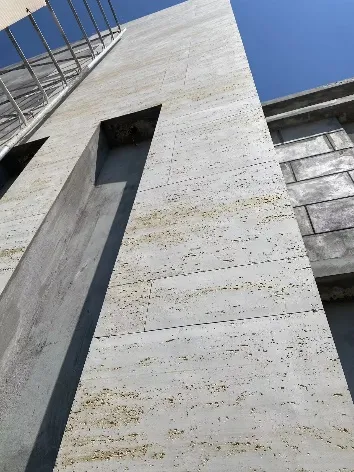
If you've walked through Riyadh's new financial district or seen renderings of NEOM's coastal villas, you've likely admired the sleek, stone-like facades that catch the sunlight. Chances are, many of those surfaces aren't traditional stone at all—they're MCM flexible cladding stone wall panels. Short for Metal Composite Material, MCM panels are a game-changer: a blend of aluminum sheets and a core material (often polyethylene) that's lightweight, flexible, and designed to mimic the look of natural stone, wood, or even concrete. But why are they becoming a staple for Vision 2030 projects?
Saudi Arabia's climate is unforgiving: summer temperatures soar above 45°C (113°F), sandstorms rage across the desert, and coastal areas face high humidity and salt corrosion. Traditional stone cladding, while beautiful, is heavy—adding strain to building structures—and porous, making it prone to cracking in extreme heat. MCM panels, by contrast, are engineered to handle these conditions. Their aluminum layers reflect sunlight, reducing heat absorption and lowering cooling costs for buildings. They're also resistant to moisture, salt, and UV rays, ensuring facades stay vibrant for decades. For a developer building a hotel in AlUla or a school in Dammam, this durability isn't just a bonus—it's a necessity.
Vision 2030 isn't about cookie-cutter buildings. It's about creating landmarks that tell Saudi's story—like the curved, sail-shaped towers of Jeddah's waterfront or the angular, futuristic lines of NEOM's THE LINE. MCM panels are flexible, meaning they can be bent, curved, or cut into complex shapes without losing structural integrity. This flexibility lets architects push creative boundaries. A residential building materials supplier recently shared how they worked with a contractor in Riyadh to create a facade that mimics the undulating dunes of the Rub' al Khali desert—all using custom-shaped MCM panels. The result? A building that feels rooted in Saudi's landscape while embracing modern design.
In a country where construction timelines are tight and budgets are closely watched, MCM panels offer a practical advantage: they're up to 70% lighter than traditional stone. This reduces the load on building foundations, cutting costs for structural materials. It also speeds up installation—teams can cover more area in less time, which is crucial for mega-projects like the Red Sea Project, where thousands of hotel rooms need to be ready for tourists by 2030. A commercial building materials supplier noted that switching to MCM cladding on a 50-story tower in Riyadh shaved three months off the construction schedule and reduced labor costs by 15%. For developers racing to meet Vision 2030 deadlines, these savings are game-changing.
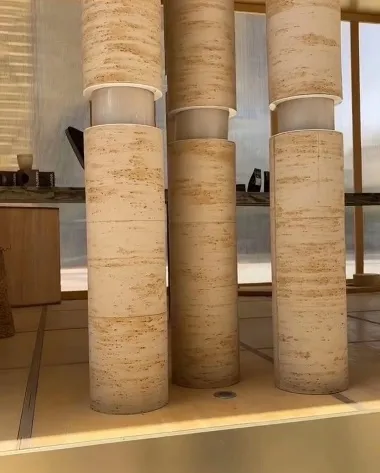
To understand why MCM flexible cladding stone wall panels are dominating Saudi's building scene, it helps to compare them to other popular options. Let's break down how they stack up against traditional stone, PU stone wall panels, and WPC wall panels—three materials often considered for Vision 2030 projects.
| Feature | MCM Flexible Cladding Stone Wall Panels | Traditional Natural Stone | PU Stone Wall Panels | WPC Wall Panels |
|---|---|---|---|---|
| Weight | Lightweight (3-5 kg/m²) | Heavy (25-40 kg/m²) | Moderate (8-12 kg/m²) | Moderate (10-15 kg/m²) |
| Durability in Saudi Climate | Excellent (UV, heat, salt-resistant) | Good (but prone to cracking in heat) | Fair (may fade in direct sunlight) | Limited (not ideal for high humidity) |
| Design Flexibility | High (bendable, custom shapes) | Low (rigid, hard to shape) | Moderate (some flexibility) | Moderate (limited to straight lines) |
| Installation Time | Fast (lightweight, easy to handle) | Slow (requires heavy machinery) | Moderate | Moderate |
| Cost (per m²) | Mid-range ($40-60) | High ($80-150) | Low ($25-40) | Mid-range ($35-50) |
| Best For | High-rises, coastal projects, iconic facades | Low-rise, luxury projects with no weight restrictions | Interior accent walls, low-rise exteriors | Indoor spaces, moderate climates |
The table tells a clear story: MCM panels balance durability, flexibility, and cost in a way that other materials can't—making them ideal for the large-scale, high-stakes projects of Vision 2030. "We recently supplied MCM panels for a 30-story residential tower in Jeddah," says a senior representative from a leading MCM flexible cladding stone wall panel supplier. "The client needed a material that looked like traditional granite but wouldn't add extra load to the foundation. MCM was the only option that checked all the boxes: aesthetics, performance, and budget."
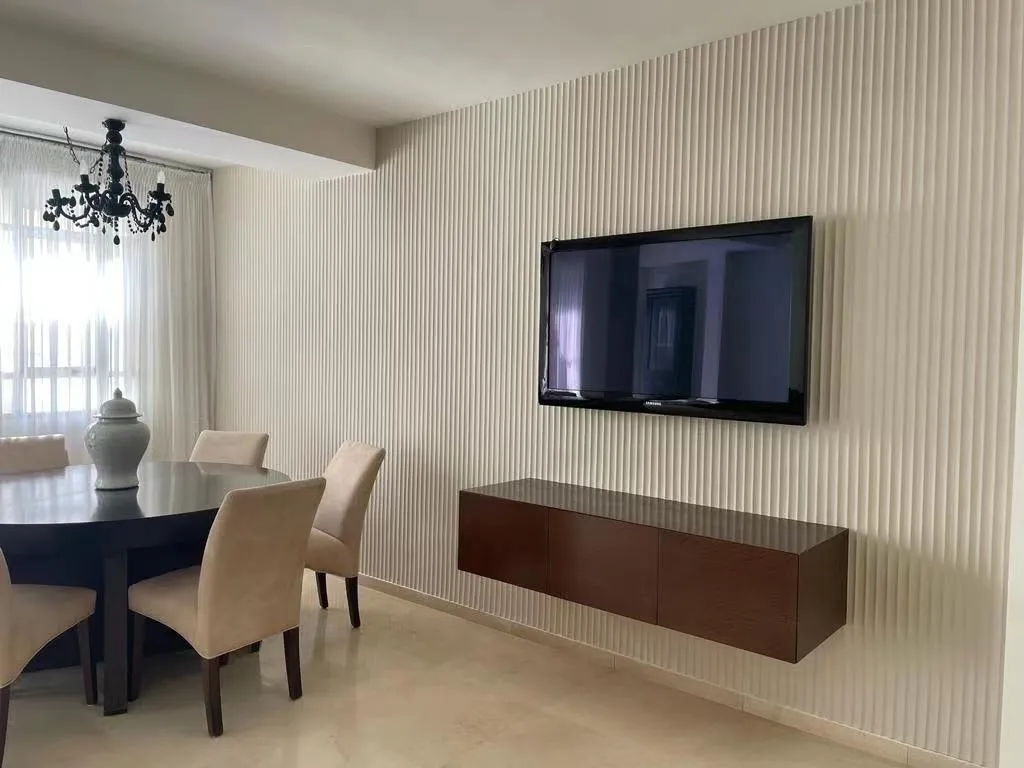
In the rush to meet Vision 2030 deadlines, developers and contractors don't just need a supplier—they need a partner. The best MCM flexible cladding stone wall panel suppliers understand this, going beyond delivering panels to offer end-to-end solutions. Here's how they're adding value:
Vision 2030 projects aren't just about function—they're about identity. Many developments aim to blend modernity with Saudi heritage, whether through geometric patterns inspired by traditional Najdi architecture or color palettes that reflect the desert landscape. MCM suppliers are stepping up to create custom solutions. For example, a supplier worked with the Red Sea Project's design team to develop MCM panels in a warm, sand-colored hue with a subtle texture mimicking the region's natural sandstone. The result? Villas that feel both luxurious and rooted in local culture.
Saudi Arabia has strict building codes, especially for safety and sustainability. For instance, commercial buildings must meet SASO (Saudi Standards, Metrology, and Quality Organization) requirements for fire resistance and energy efficiency. MCM flexible cladding stone wall panel suppliers ensure their products are certified—often holding Class A fire ratings and LEED credits for sustainability. "We test every batch of panels in local labs to ensure they meet Saudi's heat and fire standards," explains a quality control manager at a leading supplier. "For hospitals and schools, we even offer specialized Class A fireproof CPL inorganic board solutions, which pair seamlessly with MCM exteriors to create safe, compliant spaces."
Vision 2030 projects are massive, and delays can cost millions. Suppliers know that timely delivery is non-negotiable, especially for remote sites like NEOM or the Red Sea Project. The best ones have invested in local warehouses in Riyadh, Jeddah, and Dammam, stocked with popular MCM panel designs and sizes. "We recently delivered 5,000 m² of MCM panels to a resort in Amaala within 48 hours of the order," says a logistics coordinator. "Having local stock means we can respond quickly, even when projects hit unexpected deadlines."
MCM panels are easy to install, but proper technique is key to ensuring longevity. Many suppliers offer on-site training for contractors, teaching teams how to cut panels for curved surfaces, seal edges against moisture, and maintain the cladding over time. "We don't just drop off the panels and leave," says a technical support specialist. "We stay until the installation is done, answering questions and troubleshooting. For a project in Qiddiya (Saudi's upcoming entertainment city), we even provided 3D models to help the team visualize how the panels would fit around the building's unique angles."

To see the impact of MCM suppliers firsthand, look no further than NEOM's coastal residential district, a collection of 1,000+ villas and apartments overlooking the Red Sea. Tasked with creating a sustainable, visually striking community, the project's architects needed exterior cladding that could withstand saltwater, high winds, and intense sunlight—all while matching the natural beauty of the coastline.
Traditional stone cladding was ruled out due to weight and cost. PU stone panels, while cheaper, lacked the durability needed for coastal exposure. The team turned to a one-stop architectural solution provider specializing in MCM flexible cladding stone wall panels.
The supplier proposed custom MCM panels in a "driftwood" finish, designed to mimic the weathered look of coastal stone. The panels were treated with a special UV-resistant coating to prevent fading and a moisture barrier to repel saltwater. To meet NEOM's sustainability goals, the supplier also used 30% recycled aluminum in the panel cores.
Today, the villas stand as a testament to MCM's versatility. The lightweight panels reduced the building's structural load by 20%, cutting foundation costs. The custom finish blends seamlessly with the coastal landscape, and early monitoring shows the panels have retained their color and integrity despite two years of exposure to harsh coastal conditions. "NEOM is about innovation, and MCM panels helped us deliver on that promise," says the project's lead architect.
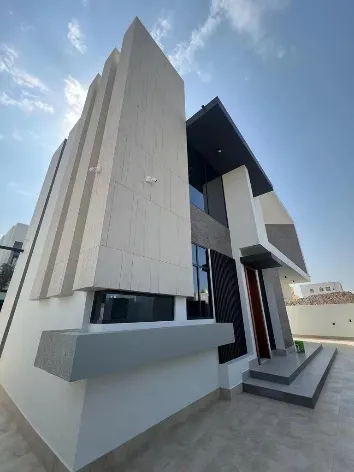
As Saudi Vision 2030 enters its next phase—with projects like NEOM's THE LINE (a 170-km linear city) and the expansion of Riyadh's King Khalid International Airport—demand for MCM flexible cladding stone wall panels is set to grow. Suppliers are already innovating: developing panels with integrated solar cells to boost energy efficiency, experimenting with self-cleaning coatings to reduce maintenance, and creating thinner, more flexible designs for ultra-modern facades.
"The future isn't just about selling panels," says an industry expert. "It's about integrating MCM into smart building systems—panels that can change color to reflect heat, or that include sensors to monitor structural health. As a commercial building materials supplier and residential building materials supplier, we're investing in R&D to stay ahead of Vision 2030's evolving needs."
In the end, Saudi Vision 2030 is about more than buildings. It's about building a nation where people are proud to live, work, and visit. MCM flexible cladding stone wall panel suppliers may not be in the headlines, but their role is undeniable. Every panel installed, every custom solution delivered, brings Saudi Arabia one step closer to its vision of a diversified, thriving future. As one supplier puts it: "We're not just building facades—we're building legacy."
Recommend Products











