

In the heart of Riyadh, as the sun rises over the skyline, cranes dot the horizon, busy constructing skyscrapers, hospitals, and residential complexes that tell the story of a nation in transformation. This is Saudi Arabia under Vision 2030—a bold roadmap to diversify the economy, reduce oil dependency, and build thriving, sustainable communities. Behind every new school, every modern office tower, and every family's new home lies a critical question: How can local industries rise to meet the demand for high-quality building materials, turning Vision 2030's ambitions into tangible reality? For porcelain slab tile for wall suppliers and one-stop architectural solution providers, the answer is clear: by embracing localization, innovation, and a commitment to serving both residential and commercial needs.
Vision 2030 isn't just about grand projects like NEOM or the Riyadh Metro—it's about empowering local businesses to become engines of growth. The plan explicitly calls for "enhancing the role of the private sector" and "developing local content," aiming to increase the share of locally manufactured products in government procurement from 30% to 50% by 2030. For the building materials sector, this isn't just a policy goal; it's a chance to be part of something bigger: building the Saudi Arabia of tomorrow, from the ground up.
Consider the numbers: The Kingdom's construction sector is projected to grow at 6.2% annually through 2030, driven by $1.1 trillion in infrastructure investments. Hospitals, schools, commercial hubs, and residential developments are sprouting up across the country, each requiring reliable, durable, and aesthetically pleasing materials. For decades, many of these materials were imported, but today, a new generation of residential and commercial building materials suppliers is stepping up—companies that don't just sell products, but solutions tailored to Saudi's unique climate, culture, and vision.
Localization in Action: "We're not just supplying tiles—we're building partnerships," says a project manager at a leading porcelain slab tile for wall supplier in Jeddah. "When a developer comes to us for a hospital project, they need more than a product. They need fire-resistant solutions, easy-to-clean surfaces, and materials that can withstand Saudi's heat. As a local supplier, we understand these needs firsthand—because we live here, too."

Walk into any modern Saudi home or office today, and you'll likely notice it: the sleek, seamless look of large-format porcelain slab tiles gracing walls, creating spaces that feel both spacious and sophisticated. Porcelain slab tiles have become the material of choice for architects and designers, and for good reason. Unlike traditional ceramic tiles or natural stone, these slabs—often measuring 120x240cm or larger—minimize grout lines, reduce installation time, and offer unmatched durability in Saudi's harsh climate. But for suppliers, it's not just about selling tiles; it's about delivering porcelain slab tile for wall solutions that meet the unique demands of local projects.
Take, for example, a school in Dammam. The design requires walls that are easy to clean, resistant to scratches from playful students, and compliant with strict fire safety standards. A porcelain slab tile for wall supplier doesn't just drop off boxes of tiles—they work with the contractor to select the right thickness, finish, and installation method, ensuring the walls stand the test of time. For a luxury hotel in Riyadh, the same supplier might propose custom-designed slabs that mimic the look of rare marble, elevating the space's elegance without the high maintenance of natural stone. This ability to blend functionality with aesthetics is what makes them more than suppliers—they're problem-solvers, partners in bringing visions to life.
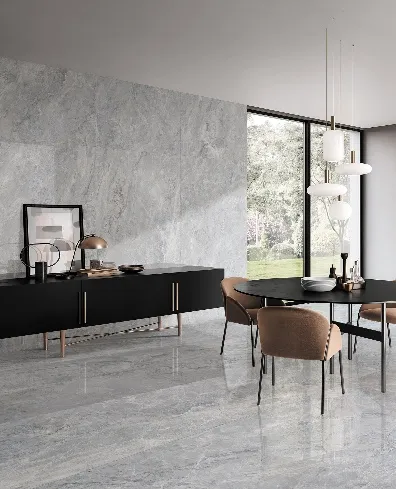
Vision 2030's success hinges on balancing two priorities: building homes for growing families and creating world-class commercial spaces that attract global businesses. Porcelain slab tile for wall suppliers are uniquely positioned to serve both. For residential projects—whether affordable housing complexes or luxury villas—suppliers offer cost-effective, stylish solutions that turn houses into homes. Imagine a young couple in Khobar, decorating their first apartment: they want walls that reflect their personality, are easy to maintain, and won't fade under the Saudi sun. Porcelain slabs, with their endless design options—from wood grain to concrete to abstract patterns—let them customize their space without compromising on durability.
On the commercial side, the stakes are even higher. Hospitals need walls that resist bacteria and moisture; airports require materials that can handle heavy foot traffic and constant cleaning; shopping malls demand surfaces that stay looking new for years. As a one-stop architectural solution provider, a supplier might collaborate with a hospital's design team to recommend Class A fireproof options, then coordinate with installers to ensure on-time delivery—critical for keeping projects on track in a fast-paced construction environment. For a commercial tower in Riyadh's King Abdullah Financial District, they might supply not just wall tiles but also coordinate with flooring and ceiling partners, streamlining the process for the contractor and reducing delays.
A Local Impact Story: In 2024, a porcelain slab tile for wall supplier based in Riyadh partnered with a local developer to supply materials for a 1,200-unit residential complex in Qassim. By sourcing raw materials from Saudi quarries and manufacturing locally, they reduced lead times by 40% compared to imported tiles. The project not only created 50 new jobs in production and logistics but also cut costs by 15%, allowing the developer to include community amenities like parks and playgrounds—directly contributing to Vision 2030's goal of improving quality of life.
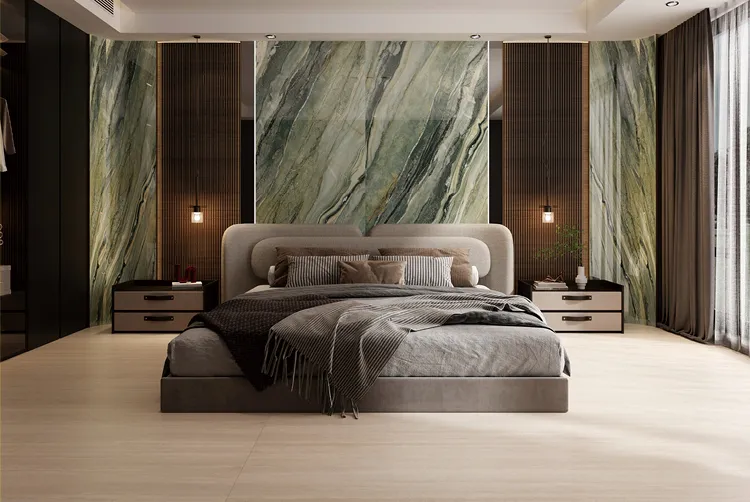
Localization isn't just about replacing imports with local products—it's about building resilience. When a hospital in Mecca needs urgent repairs after a storm, relying on overseas suppliers means waiting weeks for materials. A local porcelain slab tile for wall supplier can deliver replacement tiles in days, minimizing disruption to patient care. For a school in Madinah, using locally sourced materials means the project supports nearby businesses, from quarries to transport companies, creating a ripple effect of economic growth.
Social impact runs deep, too. Many suppliers have launched training programs for Saudi youth, teaching skills in tile installation, quality control, and project management. "I used to work in a small shop," says Ahmed, a 28-year-old from Jeddah who now leads an installation team for a local supplier. "Now, I'm part of building schools where my little sister will study. That's something I'm proud of." These stories humanize the "localization" goal, turning it from a policy term into a movement that empowers communities.
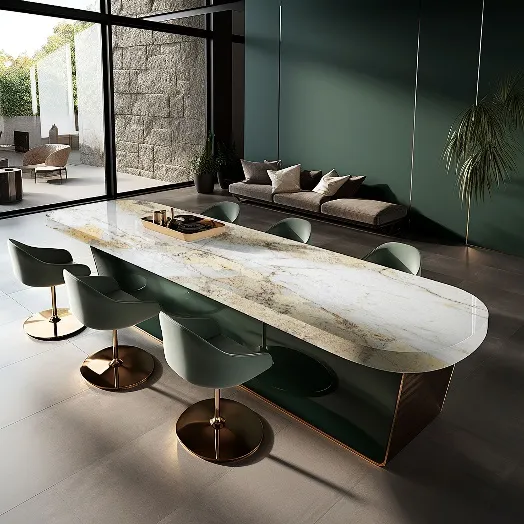
To understand why porcelain slab tiles are becoming the backbone of Saudi's construction boom, let's compare them to traditional wall materials. The table below highlights how they stack up in key areas critical to Vision 2030's focus on durability, sustainability, and cost-effectiveness:
| Feature | Porcelain Slab Tile for Wall Solutions | Traditional Materials (Ceramic Tiles/Natural Stone) |
|---|---|---|
| Durability | Resistant to scratches, stains, and moisture; ideal for high-traffic areas like hospitals and schools. | Ceramic tiles may crack under heavy impact; natural stone requires regular sealing to prevent staining. |
| Installation Time | Large format reduces the number of tiles needed; installations up to 30% faster than small ceramic tiles. | Smaller sizes mean more cuts, grout lines, and longer labor hours. |
| Aesthetic Versatility | Custom designs mimic marble, wood, or concrete; consistent color and pattern across batches. | Natural stone has unique variations (may not match project needs); ceramic tiles limited by size and design. |
| Fire Safety | Many options meet Class A fireproof standards, critical for public spaces like schools and hospitals. | Natural stone may crack under high heat; some ceramic tiles lack fire-resistant certifications. |
| Environmental Impact | Locally manufactured options reduce carbon footprint from transportation; recyclable materials in production. | Imported natural stone has high shipping emissions; ceramic tiles often use non-recyclable packaging. |
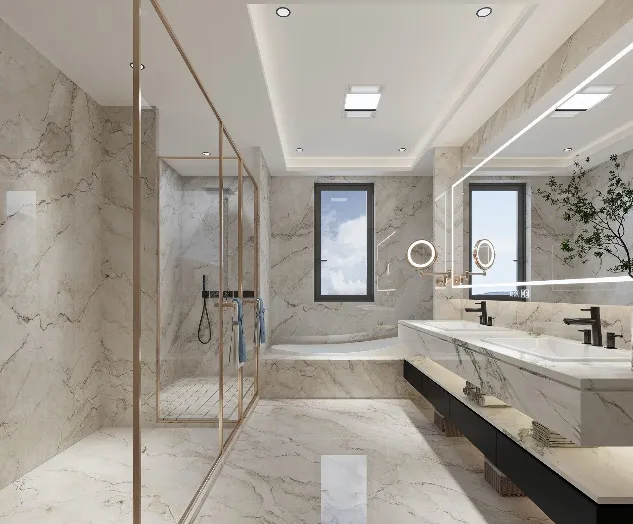
Of course, the journey toward full localization isn't without hurdles. Some developers still rely on imported materials due to long-standing relationships or perceptions of "better quality." To overcome this, local suppliers are investing in research and development, partnering with international experts to adopt cutting-edge manufacturing techniques. For example, one leading supplier recently opened a state-of-the-art facility in Jubail, equipped with Italian machinery to produce ultra-thin porcelain slabs—proving that "local" doesn't mean "compromised."
Another challenge is ensuring a steady supply chain for raw materials. Saudi Arabia is rich in minerals, but developing local quarrying infrastructure takes time. Here, collaboration is key: suppliers are working with the government to map mineral resources, train workers, and streamline permits. The result? A more resilient supply chain that can weather global disruptions, from shipping delays to trade tensions.
"Vision 2030 isn't just about buildings—it's about building a nation where every Saudi can take pride in saying, 'We made this.' As a porcelain slab tile for wall supplier, we're not just selling materials; we're laying the groundwork for that pride." — CEO of a leading Saudi building materials company
As we approach 2030, the role of porcelain slab tile for wall suppliers and one-stop architectural solution providers will only grow. With projects like the Red Sea Project and Diriyah Gate demanding innovative, sustainable materials, local suppliers are poised to lead the way. Imagine a future where a hotel in NEOM uses locally made porcelain slabs that mimic the region's natural rock formations, or a school in Riyadh features custom-designed tiles telling stories of Saudi heritage—all while supporting hundreds of local jobs.
For residential building materials suppliers and commercial building materials suppliers alike, the message is clear: localization isn't just a trend; it's the path to long-term success. By aligning their goals with Vision 2030, they're not just growing their businesses—they're helping build a Saudi Arabia that's stronger, more self-reliant, and ready to thrive in the global economy.
In the end, every porcelain slab tile on a wall in Jeddah, every solution delivered to a construction site in Dammam, is a small but vital step toward Vision 2030. It's a reminder that building a nation isn't about grand gestures alone—it's about the people, the suppliers, and the communities coming together to turn ambition into reality. And in that story, porcelain slab tile for wall suppliers are writing some of the most important chapters.
Recommend Products











