
Saudi Arabia's skyline is undergoing a remarkable transformation. From the futuristic corridors of NEOM to the bustling residential towers of Riyadh, and the expanding commercial hubs of Jeddah, the kingdom's construction sector is not just growing—it's redefining what modern infrastructure looks like. Behind every gleaming facade and every comfortable living space, however, lies a critical truth: the success of these projects hinges on materials that can stand up to one of the harshest climates on Earth. Extreme temperatures, relentless sun, and occasional humidity create a unique set of challenges, especially for systems that keep buildings functional, like plumbing. In this landscape, PEX pipe and fitting solutions have emerged as a game-changer, offering resilience, efficiency, and peace of mind for both residential and commercial projects.
To understand why PEX pipes have become indispensable, we first need to grasp the reality of building in Saudi Arabia. Summer temperatures in cities like Riyadh and Dammam regularly soar above 45°C (113°F), with some inland areas touching 50°C (122°F). This intense heat isn't just uncomfortable for people—it's a stress test for building materials. Pipes, hidden within walls or beneath floors, absorb this heat, expanding and contracting as temperatures swing between scorching days and cooler nights. In coastal regions like Jeddah, humidity adds another layer of complexity, accelerating corrosion and degradation in traditional materials.
Consider the consequences of choosing the wrong plumbing system. A cracked copper pipe in a residential apartment can lead to water damage, mold growth, and costly repairs. In a commercial setting like a hospital or school, a failed pipe could disrupt operations, compromise hygiene, or even endanger lives. For a residential building materials supplier or commercial building materials supplier , the stakes are high: providing subpar solutions isn't just bad for business—it erodes trust in the structures that communities rely on.
Traditional materials like copper and PVC, once industry standards, often fall short here. Copper, while durable, is prone to corrosion in areas with hard water—a common issue in Saudi Arabia—and its rigidity makes it vulnerable to cracking under thermal stress. PVC, though affordable, becomes brittle in extreme heat, losing flexibility and increasing the risk of leaks over time. What builders and developers needed was a material that could bend without breaking, resist corrosion, and thrive in the kingdom's unforgiving climate. Enter PEX.
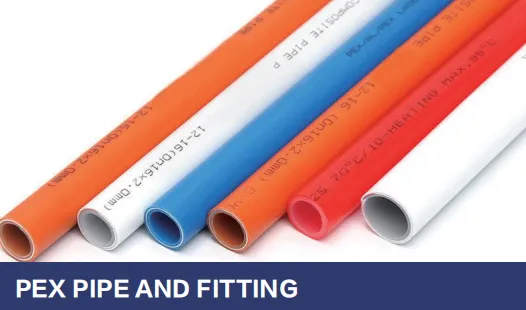
PEX, short for cross-linked polyethylene, is not just another pipe material—it's a engineering innovation tailored for challenging environments. Created through a process that links polyethylene molecules into a strong, flexible network, PEX combines the best of strength and adaptability. Unlike rigid copper or brittle PVC, PEX pipes can expand and contract with temperature changes, reducing the risk of cracks. They're also resistant to corrosion, scale buildup, and chemical degradation, making them ideal for Saudi Arabia's water conditions.
But what truly sets PEX apart is its versatility. Available in three main types—PEX-A, PEX-B, and PEX-C—each variant offers unique benefits. PEX-A, for example, has the highest flexibility and memory, meaning it can return to its original shape after bending, making it perfect for tight spaces in modern, compact homes. PEX-B, the most common type, balances durability and cost-effectiveness, making it a favorite for large-scale commercial projects. For a one-stop architectural solution provider , this variety is key: being able to offer tailored PEX options ensures that every project, from a small villa to a sprawling hospital, gets the right fit.
A plumbing system is only as strong as its weakest link, which is why PEX pipe and fitting solutions emphasize the importance of high-quality connections. Fittings, the components that join pipes together, must be just as resilient as the pipes themselves. Reputable PEX pipe and fitting suppliers offer a range of fitting types, including crimp, clamp, and push-fit designs, each engineered to create leak-proof seals even under pressure.
Take push-fit fittings, for instance. Designed for quick, tool-free installation, they're a boon for contractors working on tight deadlines. In a country where construction timelines are often ambitious, reducing installation time without sacrificing quality is a major advantage. Crimp and clamp fittings, meanwhile, provide long-term reliability, with metal sleeves that compress tightly around the pipe to prevent leaks. For projects like schools or hospitals, where safety is non-negotiable, these fittings offer the peace of mind that comes with certified, industry-tested components.
Another critical advantage of PEX systems is their compatibility with both hot and cold water. In Saudi homes, where hot water is a daily necessity, PEX pipes maintain their integrity even when transporting water at 82°C (180°F)—well above the typical household hot water temperature. This resistance to heat also reduces energy loss, making PEX a more sustainable choice compared to copper, which conducts heat and can lead to higher water heating costs.
To put PEX's advantages into perspective, let's compare it to the materials it's replacing. The table below breaks down how PEX stacks up against copper and PVC in key areas relevant to Saudi Arabia's climate and construction needs:
| Feature | PEX Pipes | Copper Pipes | PVC Pipes |
|---|---|---|---|
| Temperature Resistance | Withstands -40°C to 95°C (-40°F to 203°F); ideal for extreme heat | Withstands high temperatures but prone to thermal expansion/cracking | Becomes brittle above 60°C (140°F); risky in Saudi summers |
| Flexibility | Highly flexible; bends around obstacles without joints | Rigid; requires elbows/fittings, increasing leak points | Limited flexibility; prone to cracking if bent |
| Corrosion Resistance | Resistant to corrosion, scale, and hard water damage | Prone to corrosion in hard water areas (common in KSA) | Resistant to corrosion but vulnerable to UV degradation |
| Installation Time | Fast; no soldering or glue required (push-fit/crimp fittings) | Slow; requires soldering and skilled labor | Moderate; requires glue and drying time |
| Cost (Lifetime) | Lower; fewer repairs, energy-efficient, and easy to install | Higher; expensive materials, labor, and maintenance | Low upfront cost but high replacement costs due to brittleness |
The data speaks for itself: PEX outperforms traditional materials in nearly every category that matters for Saudi Arabia's construction sector. For a one-stop architectural solution provider , this means offering PEX isn't just about keeping up with trends—it's about delivering value that lasts decades, not just years.
PEX's versatility shines in both residential and commercial settings, making it a favorite for projects of all sizes. Let's explore how it's transforming these spaces:
For a residential building materials supplier , the goal is simple: provide solutions that make homes safer, more comfortable, and easier to maintain. PEX pipes excel here. In a typical Saudi villa or apartment, PEX is used for everything from potable water lines to radiant floor heating systems (a growing trend in luxury homes). Its flexibility allows installers to route pipes through tight spaces, reducing the need for unsightly wall openings. Homeowners benefit from fewer leaks, lower energy bills, and quieter plumbing—no more noisy water hammer when taps are turned off.
Consider a family in Riyadh living in a mid-rise apartment. With PEX pipes, they don't have to worry about waking up to a flooded kitchen because a copper pipe cracked in the night. They can trust that their hot water will flow consistently, even on the hottest days, and that their plumbing system will age gracefully, without the need for frequent repairs. For developers, this translates to higher tenant satisfaction and lower maintenance costs—a win-win for everyone.
In commercial settings, the demands on plumbing systems are even greater. Hospitals, schools, hotels, and malls require constant, reliable water flow to serve hundreds or thousands of people daily. PEX pipe and fitting solutions rise to this challenge. In a hospital, for example, PEX pipes hot water to sterilization equipment and patient rooms, where reliability can mean the difference between life and death. In a school, they ensure clean drinking water and functional restrooms for students and staff.
A commercial building materials supplier knows that downtime is costly. A single pipe leak in a busy mall could close stores, disrupt foot traffic, and damage reputations. PEX's durability minimizes these risks. Its resistance to corrosion and scale buildup also means less frequent maintenance, allowing facility managers to focus on other priorities. For large-scale projects like airports or convention centers, PEX's ease of installation helps keep construction on schedule, avoiding costly delays in a market where time is money.
While PEX pipes and fittings are exceptional on their own, their true potential is unlocked when paired with a one-stop architectural solution provider . These suppliers don't just sell products—they offer expertise, support, and a seamless experience from project planning to completion. For contractors and developers, this is invaluable.
A one-stop supplier will work closely with clients to assess their specific needs: Is the project a residential complex in Riyadh or a hospital in Jeddah? What are the local climate conditions? What are the budget constraints? Based on this, they'll recommend the right PEX type (A, B, or C), fittings, and accessories, ensuring compatibility and compliance with Saudi building codes. They may even provide training for installers, ensuring that the system is set up correctly the first time.
Beyond PEX, these suppliers often offer a range of complementary products, from flooring to wall panels, creating a cohesive supply chain. This simplifies logistics, reduces lead times, and ensures that all materials work together harmoniously. For example, a developer building a mixed-use complex can source PEX pipes, flooring solutions, and even decorative profiles from a single provider, streamlining the procurement process and reducing the risk of delays.
As Saudi Arabia continues to invest in its built environment—with projects like the Riyadh Metro, Qiddiya entertainment city, and countless residential and commercial developments—the demand for reliable, climate-appropriate materials will only grow. PEX pipe and fitting solutions are poised to play a central role in this future. Their unique combination of flexibility, durability, and efficiency makes them not just a trend, but a long-term investment in the kingdom's infrastructure.
For PEX pipe and fitting suppliers , this means more than just selling products—it means being partners in Saudi Arabia's progress. It means understanding the local climate, the needs of builders and homeowners, and the evolving demands of modern construction. It means delivering solutions that don't just meet expectations but exceed them, ensuring that the buildings of today are ready for the challenges of tomorrow.
In the end, construction is about more than bricks and mortar. It's about creating spaces where people live, work, learn, and thrive. In Saudi Arabia, where the climate is unforgiving and the stakes are high, PEX pipes are more than a plumbing solution—they're a promise: that the buildings we build today will stand strong, keep us comfortable, and support our communities for years to come. And that's a promise worth investing in.
Recommend Products












