
Walk into any leading hospital in Jeddah, Riyadh, or Dammam, and you'll quickly realize that great healthcare isn't just about skilled doctors or advanced medical equipment. It's about the buildings themselves—spaces designed to keep patients safe, staff efficient, and operations running like clockwork. Among the most critical pieces of this puzzle? Elevators that move people and equipment reliably, and materials that protect lives when every second counts. That's where Coloria comes in.
As a saudi arabia building materials supplier with decades of experience, Coloria isn't just another name in construction. We're a one-stop architectural solution provider that understands the unique demands of healthcare facilities. From the moment a hospital breaks ground to the day it welcomes its first patient, we're there—supplying everything from high-performance elevators to fireproof panels that meet the strictest safety standards. Let's dive into how we're redefining what it means to build for healthcare in Saudi Arabia.
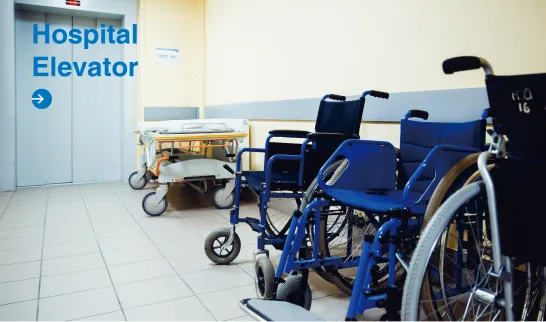
Hospitals are unlike any other building. Think about it: at 3 a.m., an elevator might be carrying an emergency stretcher with a critical patient. By mid-morning, it's transporting heavy medical equipment like MRI machines. In the afternoon, it's shuttling visitors and staff between floors. And through it all, it needs to be silent, smooth, and 100% reliable. A breakdown isn't just an inconvenience—it could put lives at risk.
That's why generic elevators won't cut it. Hospital elevators need specialized features: extra-wide doors for stretchers, smooth acceleration to prevent discomfort for patients, backup power systems for emergencies, and infection-resistant materials that can handle constant cleaning with harsh disinfectants. And in Saudi Arabia, where hospitals are growing to meet the demands of a rising population and the goals of Vision 2030, these elevators also need to align with local regulations and climate conditions—like withstanding high temperatures and sandstorms.
Fun fact: A typical hospital elevator runs 12–16 hours a day, making 300+ trips. Compare that to a commercial office elevator, which averages 8 hours and 150 trips. That's double the workload, which is why durability and maintenance support are non-negotiable.
As a hospital elevator supplier , we don't just sell elevators—we engineer solutions. Our hospital elevator range is designed with input from healthcare architects, facility managers, and even medical staff to ensure every detail serves the people who use them.
Take our MedLift Series , for example. These elevators come with:
But don't just take our word for it. Last year, we supplied 12 MedLift elevators to a new hospital complex in Riyadh. The facility's operations manager, Mr. Al-Mansoori, told us: "Before Coloria, we had elevators that broke down weekly. Now, in 18 months, we've had zero major issues. The backup power alone has saved us during summer storms—we never have to carry patients down stairs again."
What if you could source everything your hospital needs from one partner? No more juggling 10 different suppliers for elevators, wall panels, flooring, and lighting. No more delays because one material is stuck in customs while another is already on-site. That's the power of being a one-stop architectural solution provider —and it's a game-changer for hospital projects.
Hospitals need more than elevators, after all. They need walls that resist fire and mold, flooring that's slip-proof even when wet, and lighting that's bright enough for surgeries but soft enough for patient rooms. Coloria covers it all, with products specifically tailored to healthcare settings. Let's take a closer look at two of our most vital hospital-focused solutions:
In a hospital, fire safety isn't optional—it's legally required. That's why our class a fireproof cpl inorganic board for hospital and school supplier solutions are a staple in Saudi healthcare projects. These boards are made from inorganic materials (no harmful chemicals) and rated Class A for fire resistance, meaning they can withstand temperatures up to 1,200°C for over 2 hours without catching fire or releasing toxic smoke.
But they're not just fireproof. They're also moisture-resistant (perfect for humid hospital environments like operating rooms and bathrooms), easy to clean (just wipe with disinfectant), and lightweight, which speeds up installation. One recent project—a children's hospital in Mecca—used our CPL boards in patient rooms and corridors. The head architect noted: "With kids running around, we needed something durable and safe. These boards have held up to crayons, spills, and even the occasional toy truck collision—and we have peace of mind knowing they'll protect our little patients if the worst happens."
Saudi Arabia's Vision 2030 isn't just about economic growth—it's about building a sustainable future. Hospitals, as large public buildings, play a big role in this. They consume massive amounts of energy and resources, so choosing eco-friendly materials isn't just good for the planet; it's good for long-term operational costs.
Our sustainable product line includes green that reduce carbon footprints without compromising performance. For example, our low-VOC (volatile organic compound) paints and sealants improve indoor air quality—critical for patients with respiratory issues. Our bamboo charcoal board wall panels, made from recycled bamboo, act as natural air purifiers, absorbing odors and moisture. And our solar panels, which we integrate into hospital rooftops, help facilities reduce reliance on the grid, cutting energy bills by up to 30%.
A recent hospital project in Al Khobar installed our solar panels and green insulation, and they're now on track to meet 25% of their energy needs from renewable sources—aligning perfectly with Vision 2030's sustainability goals. The facility manager told us: "We weren't just building a hospital; we were building a model for how healthcare can lead the way in sustainability. Coloria made that possible."
There are plenty of international building material suppliers out there, but what sets Coloria apart is our deep roots in Saudi Arabia. We've been operating here for over 30 years, with a local office in Riyadh and a network of partners across the country. That means we don't just understand global best practices—we understand the local nuances that make or break a project.
For example, Saudi building codes are unique. Hospitals must comply with strict regulations from the Ministry of Health (MOH) and the Saudi Standards, Metrology and Quality Organization (SASO). Our team includes local engineers who know these codes inside out, so we can ensure every product—from elevators to fireproof boards—meets or exceeds MOH requirements. No more delays because a material doesn't pass local inspections.
We also understand the logistics challenges. Importing materials into Saudi Arabia can be tricky, with customs delays and shipping issues. But with our local warehouse in Dammam, we stock critical items like hospital elevator parts and fireproof boards, so you can get what you need in days, not weeks. During the construction boom for NEOM and other Vision 2030 projects, this local inventory has been a lifesaver for contractors racing to meet deadlines.
| What Makes Coloria Different for Saudi Hospitals | How It Benefits Your Project | |
|---|---|---|
| 30+ years in Saudi Arabia | Deep knowledge of local regulations, climate, and logistics | |
| Local warehouse in Dammam | Faster delivery, reduced downtime, and lower shipping costs | |
| 24/7 local support team | Immediate help for elevator maintenance or material issues | |
| Partnerships with Saudi engineers and architects | Solutions designed for local hospital needs (e.g., heat resistance, cultural considerations) |
Saudi Arabia's healthcare sector is growing faster than ever. Vision 2030 calls for 100 new hospitals and 2,000 new healthcare centers by 2030, and existing facilities are being upgraded to world-class standards. This growth isn't just about quantity—it's about quality. Patients and staff deserve spaces that are safe, efficient, and even healing.
At Coloria, we're proud to be part of this journey. We're investing in new technologies, like AI-powered elevator predictive maintenance and even more sustainable building materials. We're also training local talent through our "Build Saudi" program, which partners with technical schools to Saudi engineers and technicians—supporting Vision 2030's goal of creating local jobs.
But our biggest goal? To keep earning the trust of Saudi hospitals. Because at the end of the day, we're not just supplying materials—we're helping build spaces that save lives. Whether it's a hospital elevator that gets a patient to surgery on time, or a fireproof wall that protects a ward during an emergency, every product we provide has a purpose: to make healthcare better.
If you're planning a hospital project in Saudi Arabia—whether it's a small clinic or a large medical complex—you don't need 10 suppliers. You need one partner who understands your needs, your timeline, and your commitment to quality. That's Coloria.
From hospital elevators that never let you down to fireproof boards that meet the strictest safety standards, we're here to make your project a success. Because when it comes to healthcare, there's no room for compromise. Let's build something great—together.
Recommend Products












