
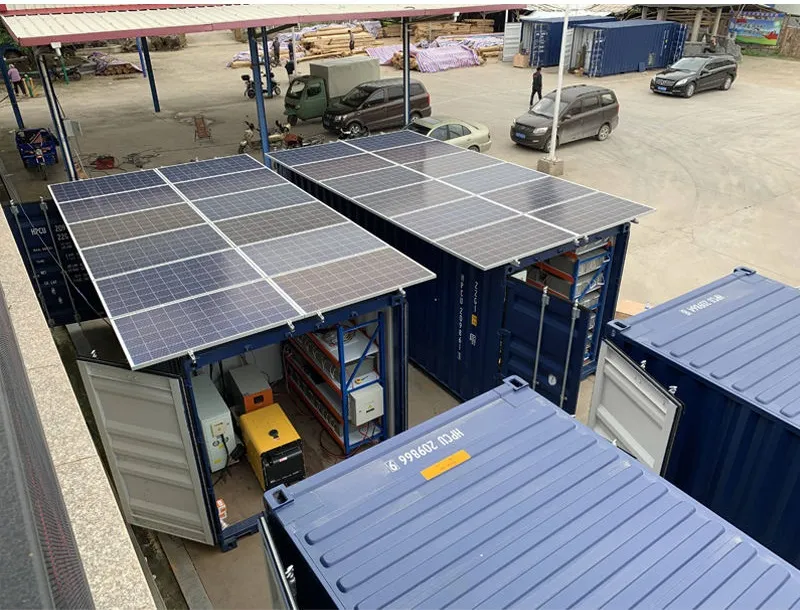
Ever touched a solar panel on a scorching summer day? That heat isn't just uncomfortable - it's a warning sign. What most solar owners don't realize is that innocent warmth can turn into dangerous hotspots capable of destroying panels, voiding warranties, and even starting fires. This isn't hypothetical - it's happening on rooftops everywhere.
Hotspots are the high blood pressure of solar systems - silent, invisible to the naked eye, but potentially catastrophic. These localized temperature spikes occur when certain cells in your panel overheat, sometimes exceeding safe limits by 30-50°C. Unlike obvious damage like cracked glass, hotspots develop gradually, often going unnoticed until it's too late.
Here's the scary part: Hotspots aren't content with just damaging a single cell. They create a chain reaction:
I've seen panels where hotspot temperatures reached 85°C - hot enough to fry an egg. At those temperatures, your panel isn't just underperforming - it's actively self-destructing.
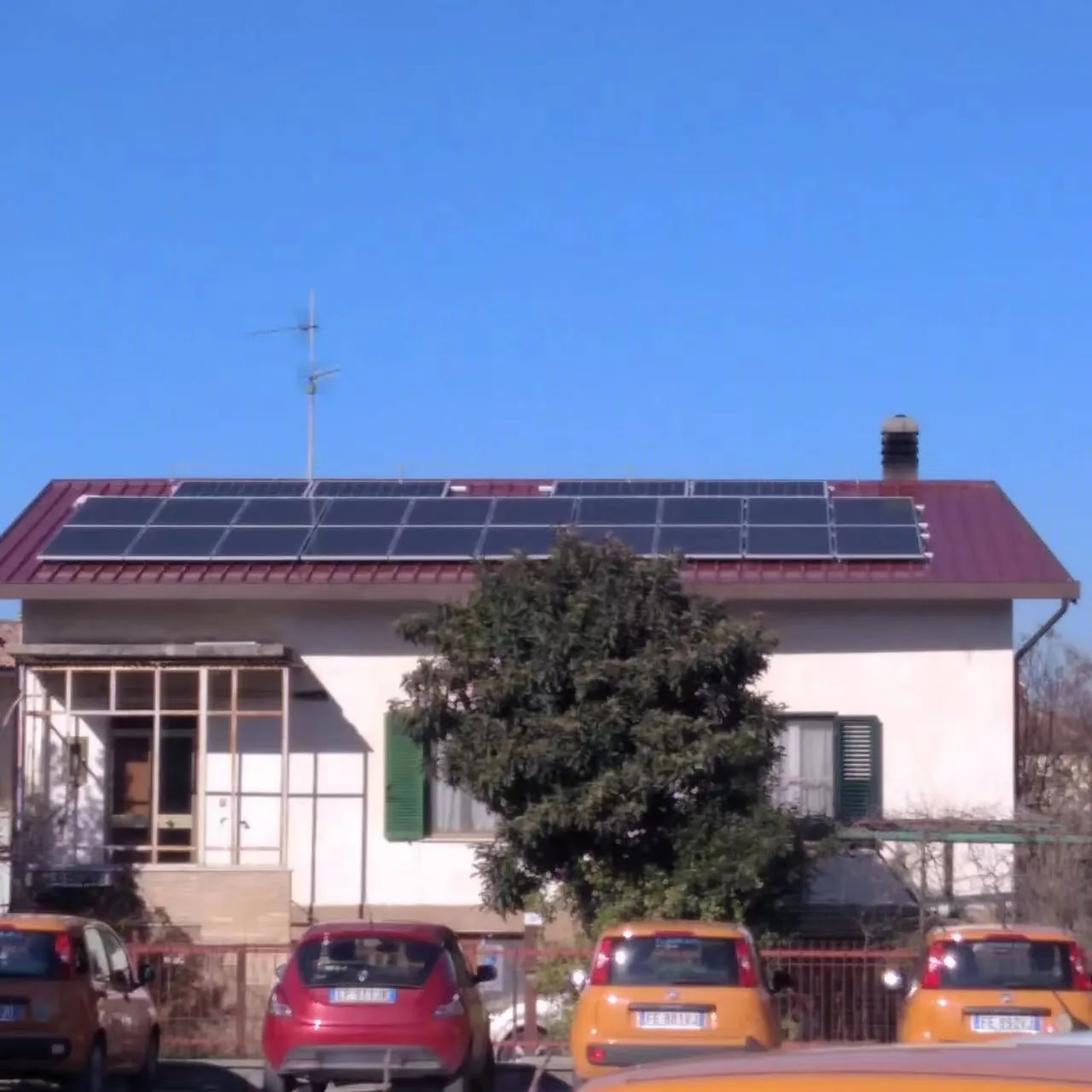
Fortunately, organizations like the International Electrotechnical Commission (IEC) and Underwriters Laboratories (UL) have developed rigorous safety standards. But here's what the certification labels don't tell you:
The IEC 61215 and UL 1703 standards include brutal tests most panels never face after leaving the factory:
During one UL audit, I witnessed panels crack under pressure testing - a stark reminder that not all hardware is created equal.
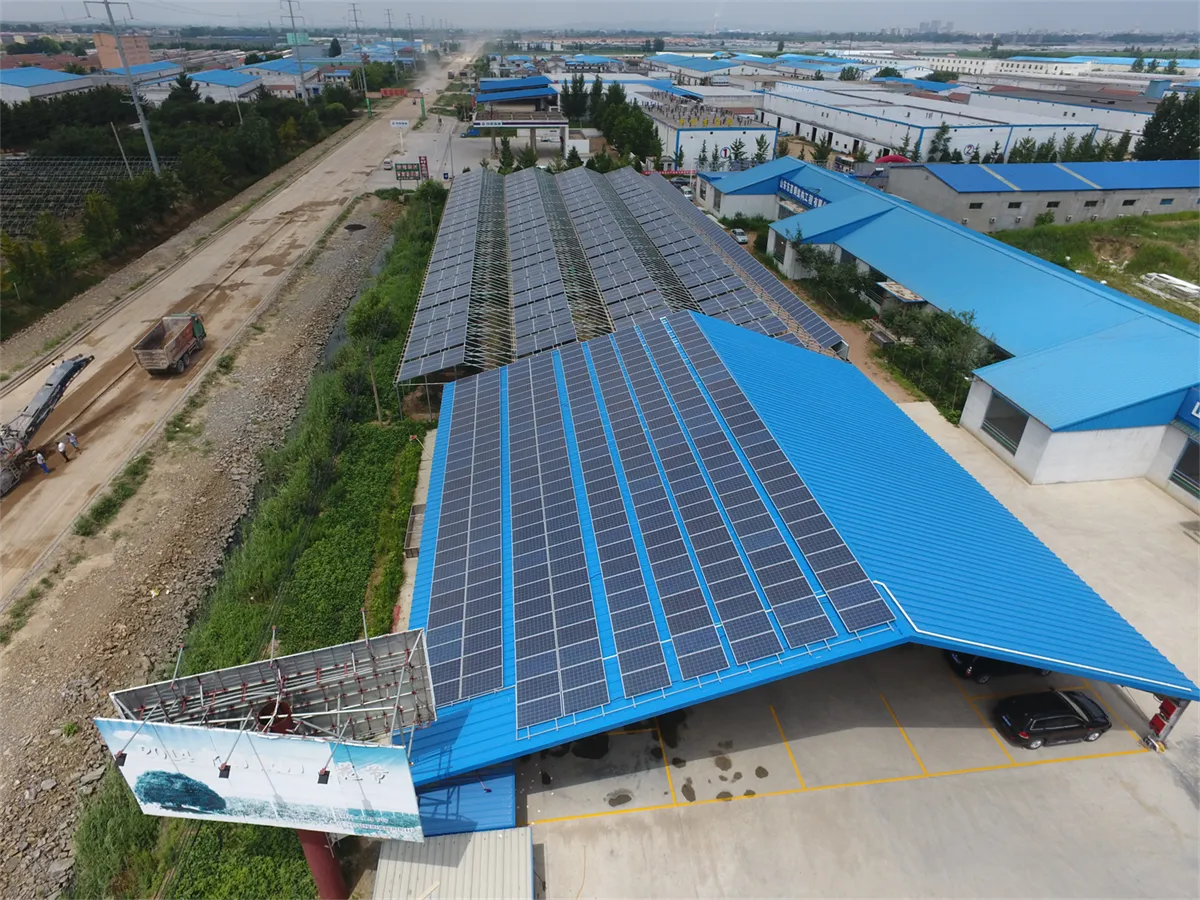
Traditional bypass diodes are like band-aids on bullet wounds - they help but don't solve the root problem. That's why innovative solutions like hybrid current mirror circuits represent a quantum leap.
Unlike old diode-based systems, modern circuits use a smarter approach:
Think of it like a smart traffic cop redirecting electricity away from overheating zones before congestion occurs. This approach represents one of the most promising solar panel solutions available today.
| Protection Type | Hotspot Reduction | Power Loss | Installation Complexities |
|---|---|---|---|
| Traditional Bypass Diodes | ~15-20°C decrease | Up to 8% per hotspot | Simple but prone to failure |
| MOSFET-Based Systems | 25-30°C decrease | 4-6% residual loss | Complex wiring required |
| Advanced Current Mirrors | 35-45°C decrease | Only 1-2% loss | Plug-and-play installation |
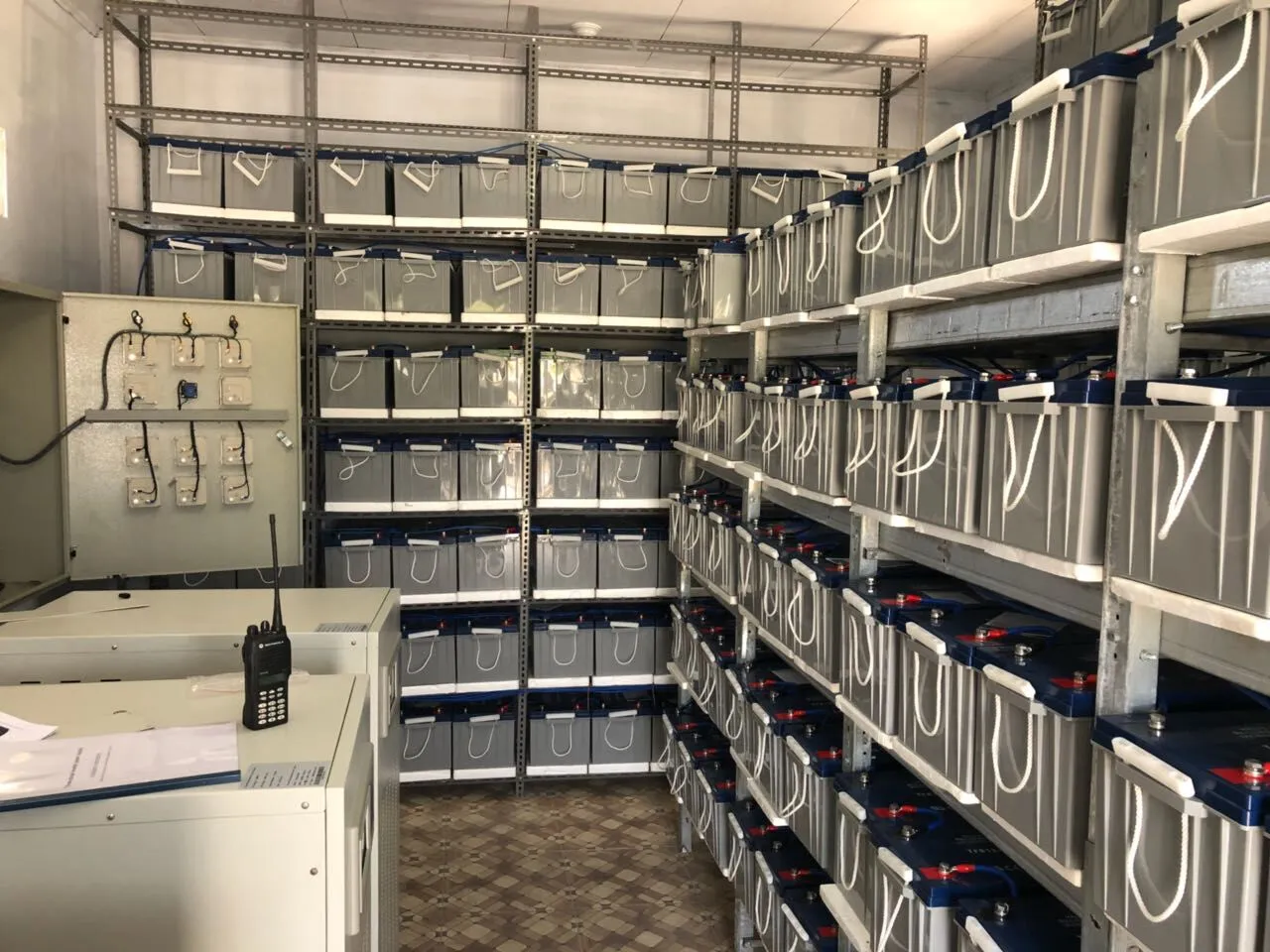
The numbers sound impressive in research papers, but how do these systems perform on actual rooftops? Recent field studies reveal:
A commercial array in Arizona with advanced hotspot protection showed:
Perhaps most telling - when we scanned the array with FLIR thermal cameras, hotspots looked like minor warm spots rather than dangerous red zones.
You don't need to be an engineer to protect your system. Here's actionable advice:
Monitoring:
Maintenance:
Technology Upgrades:
A client in Florida avoided $18,000 in panel replacements simply by adding $500 worth of protective circuits.
We're entering a new era where solar panels will come with "thermal immunity" as standard. Emerging developments include:
The next decade will see hotspot risks plummet as these technologies mature. But until then, temperature monitoring remains your first defense.
Final Thought: Your solar array is more than just energy equipment - it's a critical home investment. Hotspots threaten both your power bill and property safety. With basic vigilance and smart protective solutions, you can avoid becoming another cautionary tale in technical journals. The temperature limits in those boring safety standards? They're not bureaucracy - they're your silent guardians.
Recommend Products












