Ensuring Reliability Through Understanding and Care
You step into an elevator multiple times a day without a second thought. But behind that smooth ride is a complex system working in perfect harmony - and at the heart of it are those essential cables quietly doing their job. Elevator accompanying cables aren't just metal ropes; they're the lifelines ensuring safe transportation between floors. Today, we'll dive deep into what keeps them secure and how regular maintenance can literally save lives.
Real Talk:
These
cables aren't something you can "set and forget." Like any critical system, they need proper attention and care from
elevator installation companies and maintenance crews to stay in peak condition.
The Unsung Heroes: Understanding Accompanying Cables
When we say "accompanying cables," we're talking about all the supportive wiring that makes elevators function beyond just the main hoist ropes. These include:
-
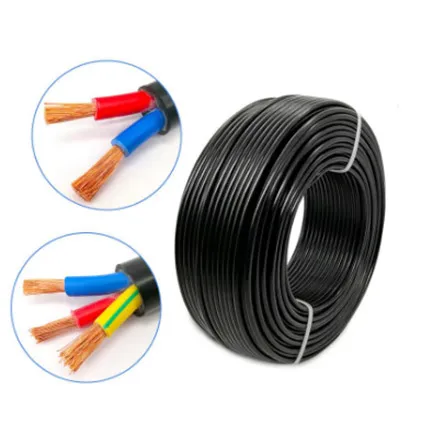
Travel cables
carrying power and signals between the car and controller
-
Compensation chains
balancing the system weight
-
Governor cables
triggering safety brakes during overspeed
-
Hydraulic control lines
regulating fluid-based systems
Their constant flexing and mechanical stress means that even the toughest materials fatigue over time. Unlike building materials that last for decades, these dynamic components work in a high-stress environment where a single flaw can escalate into catastrophe.
The Rulebook: Safety Standards You Can't Ignore
ASME A17.1/CSA B44: The Bible of Elevator Safety
These regulations aren't bureaucratic red tape - they're distilled wisdom from decades of incident analysis. Think of them as the instruction manual for keeping people safe thousands of feet in the air. Key requirements include:
-
Load testing
- Cables must withstand at least 2.5 times their maximum intended load
-
Material specs
- Specific steel grades and constructions resistant to corrosion and fatigue
-
Safety factor calculations
- No guessing games with people's lives
-
Termination protocols
- How cables connect to drums and cars matters critically
The International Safety Brigade: ISO 4344
This global standard focuses specifically on wire ropes, demanding manufacturers meet chemical composition, mechanical property, and testing requirements that ensure:
-
Consistent strand patterns preventing internal wear
-
Lubrication that penetrates to the core during operation
-
Diameter tolerance limits ensuring proper sheave interaction
Your Maintenance Playbook: Inspection & Care
Compliance isn't a one-time checkbox - it's a relationship with the equipment. Here's what experienced technicians look for:
Hands-On Insight:
The best inspectors don't just follow checklists - they listen to the equipment. A change in cable vibration or subtle scraping sound often tells more than visual checks.
Monthly Must-Do's
-
The Twist Test
: Check for cable rotation - more than 360 degrees in 3 feet signals trouble
-
Diameter Measurements
: Use callipers at multiple points; 10% reduction means replacement time
-
Lubrication Check
: Cables should feel smooth but not greasy; dry spots accelerate wear
-
Termination Inspection
: Look for stretched sockets or loose fittings
Quarterly Deep Dives
-
Magnetic particle testing for internal flaws
-
Full-length inspection using rope scanners
-
Governor system functionality test under load
-
Measuring cable tension balance across the system
Annual Non-Negotiables
-
Full load testing at 125% capacity
-
Complete disassembly of terminal ends
-
Sheave groove measurement and wear analysis
-
Core sampling and metallurgical analysis for aging cables
Trouble Signs You Should Never Ignore
Like a cough signaling illness, cables show symptoms before failing:
Safety First:
If you see more than 6 broken wires in one rope lay (30x the rope diameter), it's immediate replacement time - no exceptions.
-
Birdcaging
: When wires flare out like a birdcage - indicates core failure
-
Kinks & Crushes
: Permanent deformations from improper handling
-
Corrosion Patterns
: Rust that comes off in flakes rather than surface dust
-
Uneven Wear
: Shows up as flat spots on the cable surface
Beyond Compliance: Creating a Safety Culture
Truly safe buildings don't just meet regulations - they exceed them. This means:
-
Maintaining digital inspection records showing trends over time
-
Training maintenance staff in predictive maintenance techniques
-
Implementing sensor systems monitoring real-time cable tension
-
Scheduling proactive replacements before end-of-life dates
The cost of a cable failure goes far beyond repair bills - it erodes public trust and risks lives. Smart building operators understand that investing in cable maintenance isn't an expense; it's insurance against catastrophe.
Final Thoughts: The Human Element
Elevator cables will always be hidden from view, but never should they be out of mind. Every inspection report, every maintenance log, every replaced component represents someone's loved one who'll get home safely tonight. As someone in the industry once put it:
"We're not maintaining equipment - we're guarding journeys."
The hum of a smoothly operating elevator doesn't just represent mechanical harmony - it's the sound of safety standards working, maintenance commitments being honored, and above all, people being protected. That's the real music of modern vertical transportation.