
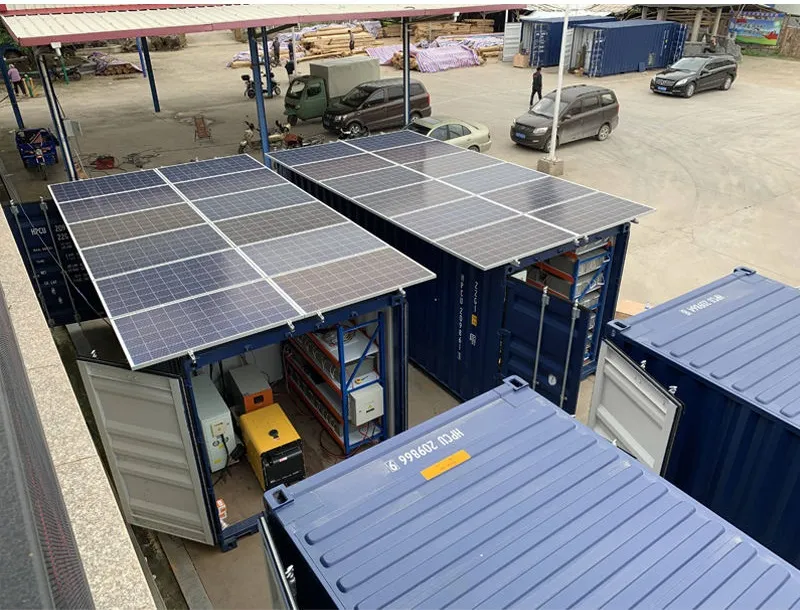
Hey there solar professionals! If you're reading this, you're either planning or currently working on decommissioning solar arrays. This is way more than just unscrewing panels and hauling them away. End-of-life (EOL) solar modules contain materials that demand respect – from heavy metals to unexpected voltage risks. Having been involved in dozens of decommissioning projects over the years, I've seen firsthand what happens when safety shortcuts are taken.
Consider this your practical field guide for safely handling solar panels after their operational life. We'll break down the regulations that actually matter on the ground, walk through realistic PPE combinations for different scenarios, and share tricks we've learned to manage tricky contamination issues. Most importantly, we'll help you build a safety mindset that protects both your crew and the environment – because doing this right matters more than ever as solar waste volumes explode. Let's dig in.
Core philosophy: Treat every panel like it has voltage and hazardous materials until you've confirmed otherwise. Better safe than shocked or contaminated.
Before diving into procedures, let's demystify exactly what makes these panels worth careful handling. That sleek silicon surface hides complexities:
Real Talk: We once found a "decommissioned" site where panels had been sitting with cracked glass in a wet field for 18 months. Soil testing showed cadmium levels 5x agricultural limits – that cleanup cost more than the original removal.
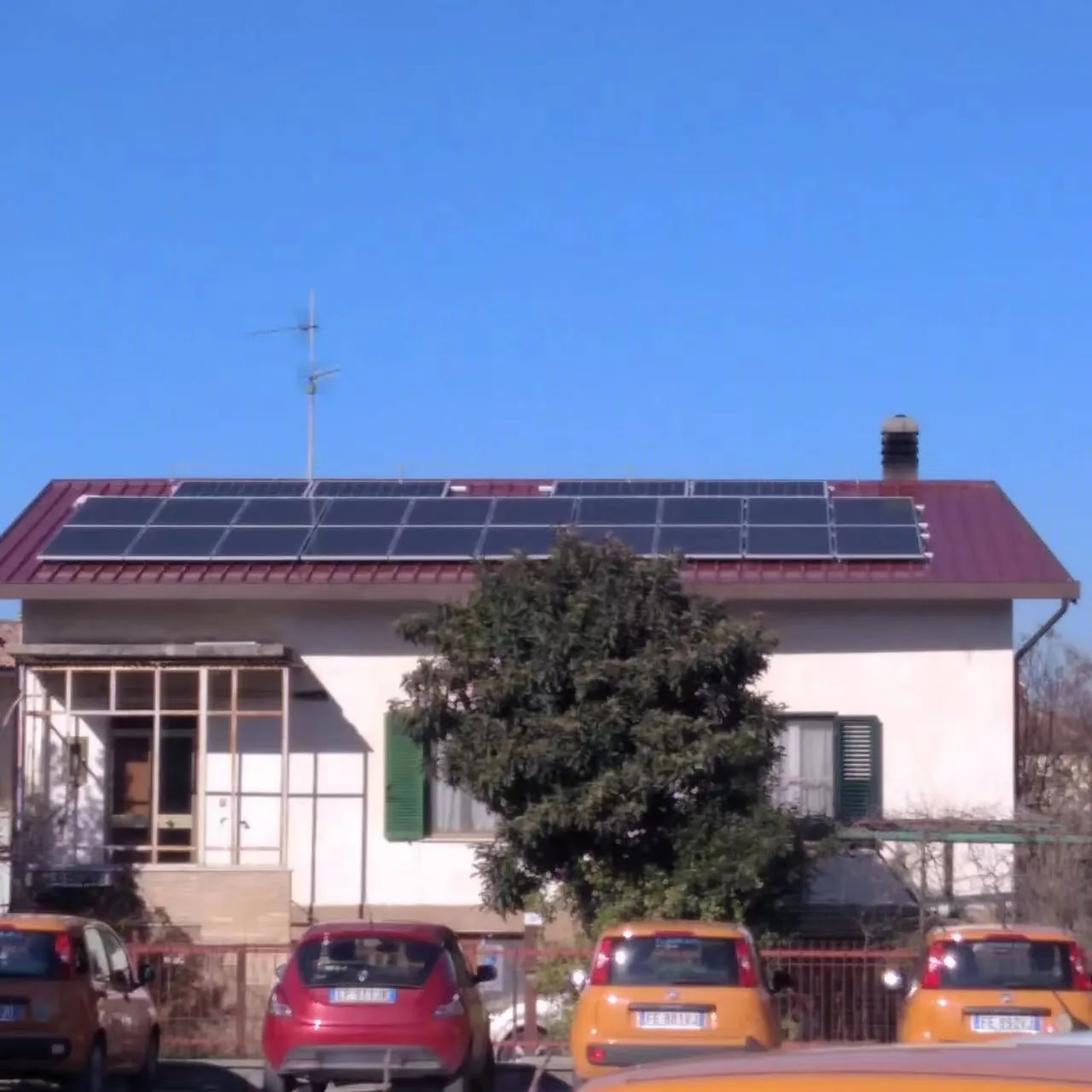
Between federal, state, and local rules, compliance feels like a minefield. Here's what actually impacts your daily work:
| Regulatory Area | Field Reality Check | Common Mistakes |
|---|---|---|
| Hazard Classification | Test panels from different sections of array - manufacturing variances matter | Assuming TCLP test results apply to entire batch |
| Transportation | Damaged panels automatically trigger DOT HazMat rules under 49 CFR | Using standard pallets without containment for cracked glass |
| Documentation | Keep photos of panel condition at removal with GPS timestamps | Missing chain-of-custody forms at recycling facilities |
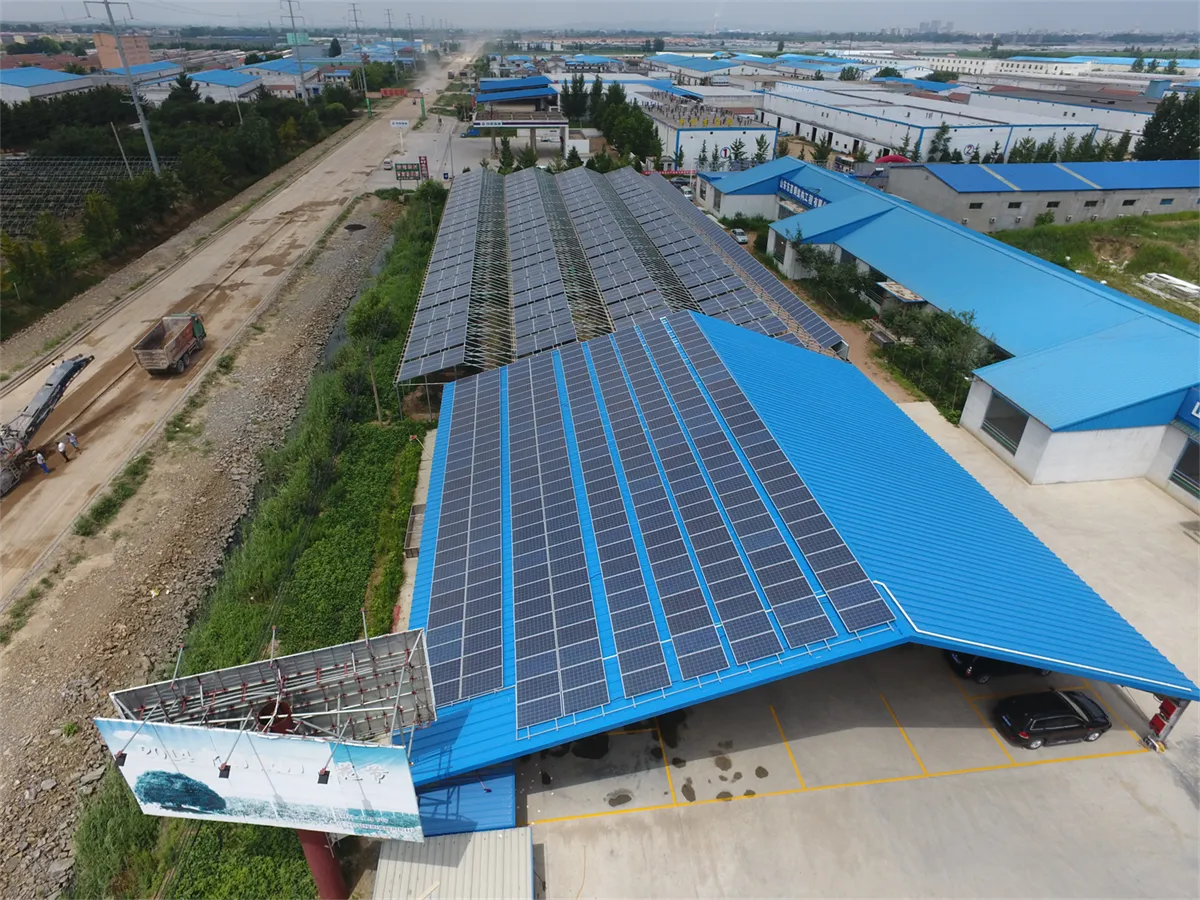
Never skip this! Walk the array with UV cameras to find microcracks. Map zones with potential lead solder runoff. Test soil at drip lines if panels show any damage.
Standard LOTO is insufficient for solar. Use voltage detectors rated for DC leakage currents. Verify each string section independently – we once found 47V on "de-energized" combiner box.
Class 1 (Intact):
Remove with suction cups, keep vertical
Class 2 (Damaged):
Bag in 6 mil poly before moving, handle with cut-resistant sleeves
Class 3 (Shattered):
Contain under plastic sheeting, treat as hazardous spill
Never stack over 4 high. Use foam padding on pallets – we learned this after $12k in transit damage claims. Separate glass-shard pallets clearly.
Level 4 cut-resistant gloves under voltage-rated gloves for damaged panels
ANSI Z87.1 goggles with side shields + face shields for extraction work
Disposable coveralls with sleeves taped for CdTe work
Composite toe boots with electrical hazard rating
The exact combination depends on panel conditions:
Water causes more problems than it solves. Here's our field-tested approach:
Critical Reminder: High-pressure washing spreads contamination – just don't! We documented cadmium spread 60+ feet downhill from one "quick cleanup" attempt.
Finding reputable recycling partners is crucial – some facilities only handle glass, while others can recover 95%+ materials. When vetting recyclers:
Many solar panel suppliers now offer take-back programs - it's worth exploring these options as they typically invest in recycling technology.
Annual training barely scratches the surface. Our approach:
| Training Type | Frequency | Field Impact |
|---|---|---|
| Scenario Drills | Quarterly | Real-world contamination response |
| Reg update Briefs | Monthly | Catching state law changes |
| Equipment Certification | Bi-annual | Proper use of voltage detectors |
| Near-Miss Reviews | Immediate | Learning from close calls |
Invest in quality voltage detectors and teach teams to recognize ghost voltage – it prevents unnecessary panel destruction.
Plan your response before incidents occur:
Safety evolves through deliberate learning:
The recycling market changes rapidly – partners who were reliable last year might cut corners now. Annual re-vetting protects everyone.
As ESG reporting requirements expand, decommissioning safety increasingly connects to corporate sustainability claims. Companies that master:
...will lead in the coming green infrastructure boom. Your attention to safety today builds value far beyond one project.
Final thought: Safety isn't just procedures – it's preparing for what could happen, not just what should happen.
Recommend Products












