
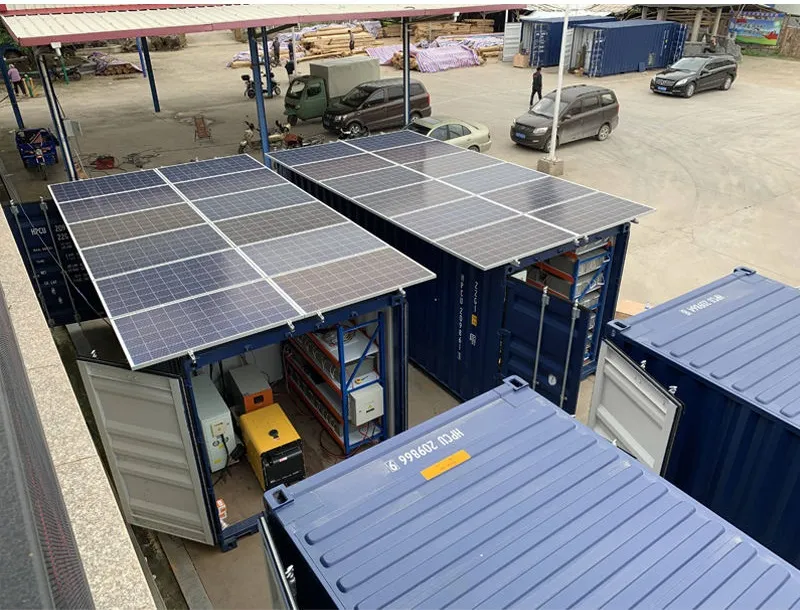
Solar panels have become a staple in both homes and businesses, offering a clean, renewable energy solution that cuts down on electricity bills and reduces environmental impact. But let's be real—when you're installing something on your roof or property that deals with electricity and sits exposed to the elements year-round, safety isn't just a "nice-to-have." It's a must. Whether you're a homeowner considering a rooftop system or a business owner looking to power a commercial space, understanding the safety features of solar panels can help you make smarter choices, protect your investment, and keep everyone around you safe. Let's break down the key safety aspects you need to be aware of, from the materials used to the systems in place that prevent hazards.
Fires are one of the biggest concerns when it comes to any electrical system, and solar panels are no exception. Think about it—your solar setup is on your roof, exposed to sun, heat, and sometimes even nearby fires. That's why modern solar panels are built with fire safety as a top priority. Most reputable manufacturers design their panels to meet strict fire ratings, often matching or exceeding the safety standards of the buildings they're installed on.
Here's where it gets specific: many solar panels use components that align with Class A fire resistance, a standard you might recognize from materials like class a fireproof cpl inorganic board for hospital and school supplier products. Class A fire ratings mean the material is highly resistant to flame spread, which is crucial for rooftops where a small spark could otherwise lead to disaster. The panels themselves are typically made with fire-retardant backsheets (the layer that protects the internal wiring) and tempered glass fronts that don't catch fire easily. Even the frames, often made of aluminum, are non-combustible, adding an extra barrier against flames.
But it's not just the panels—installation plays a role too. Proper spacing between panels and the roof allows heat to dissipate, preventing hot spots that could ignite debris like leaves or bird nests. Some systems even include fire breaks, gaps in the panel array that stop flames from spreading across the entire roof if a fire does start elsewhere. Real-world examples back this up: studies show that solar panels rarely start fires, and when they're involved, it's usually due to faulty wiring (not the panels themselves), which is why professional installation matters so much.
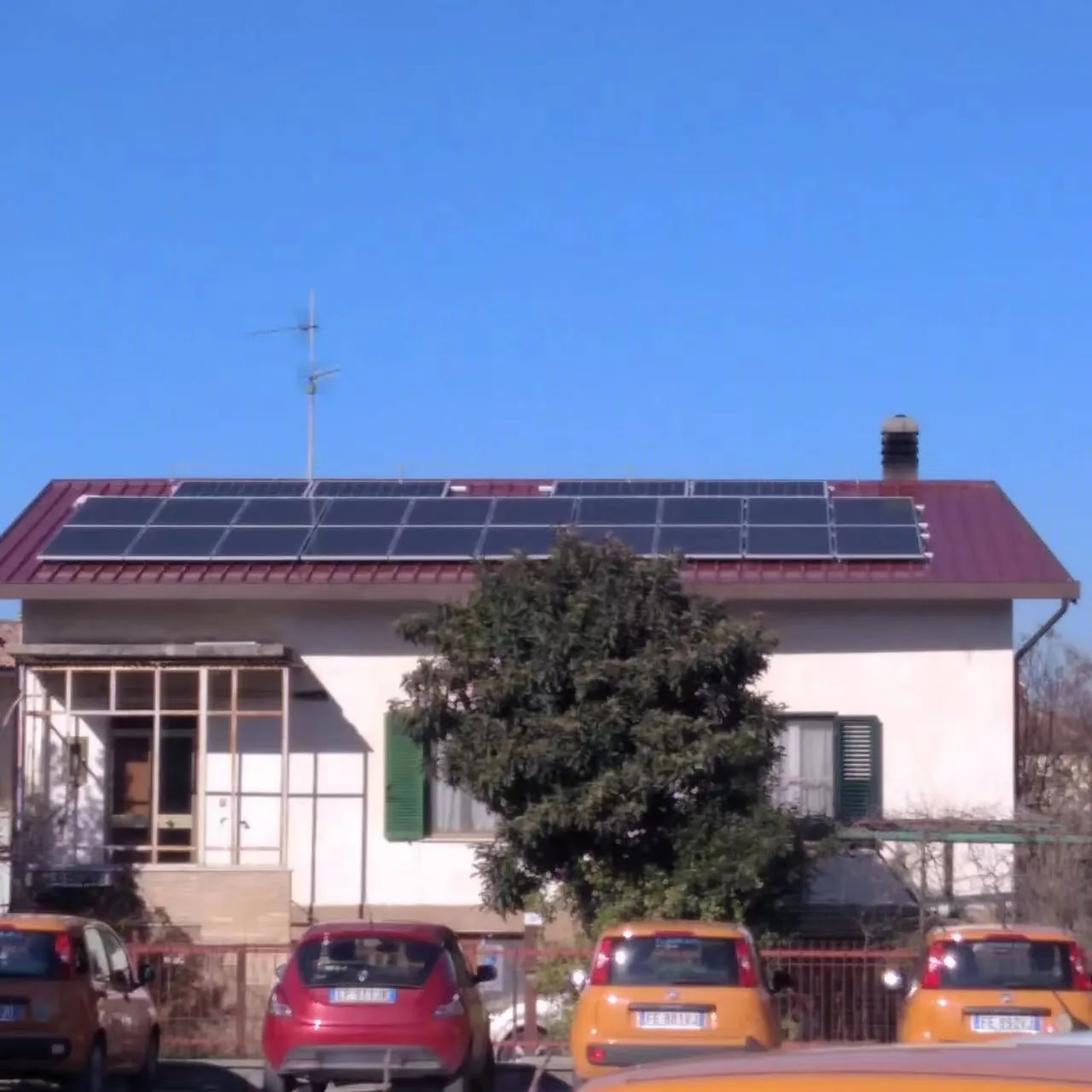
Electricity and water don't mix, and solar panels are exposed to rain, snow, and humidity regularly. That's why electrical safety features are non-negotiable. Let's start with grounding—every solar system should have a robust grounding setup. This means the metal frames of the panels, the mounting hardware, and the electrical components are all connected to the earth via a grounding wire. If there's a fault (like a damaged wire), the electricity is safely directed into the ground instead of shocking someone or causing a short circuit.
Then there are the inverters—the devices that convert the DC electricity from the panels into AC electricity your home uses. Modern inverters come with built-in safety features like arc fault circuit interrupters (AFCIs) and ground fault circuit interrupters (GFCIs). AFCIs detect dangerous electrical arcs (sparks) that can happen if wires fray or connections loosen, and they shut off the power before a fire starts. GFCIs, on the other hand, monitor the flow of electricity and cut power if there's a imbalance (like current leaking to the ground), preventing electric shock.
Insulation is another key player. The wiring inside solar panels is coated with materials like cross-linked polyethylene (XLPE) or ethylene propylene diene monomer (EPDM), which are resistant to heat, moisture, and UV rays. This insulation prevents the wires from shorting out, even after years of exposure to the elements. Plus, the junction boxes (where the panel wires connect to the system) are sealed to keep out water and dust, further reducing the risk of electrical issues.
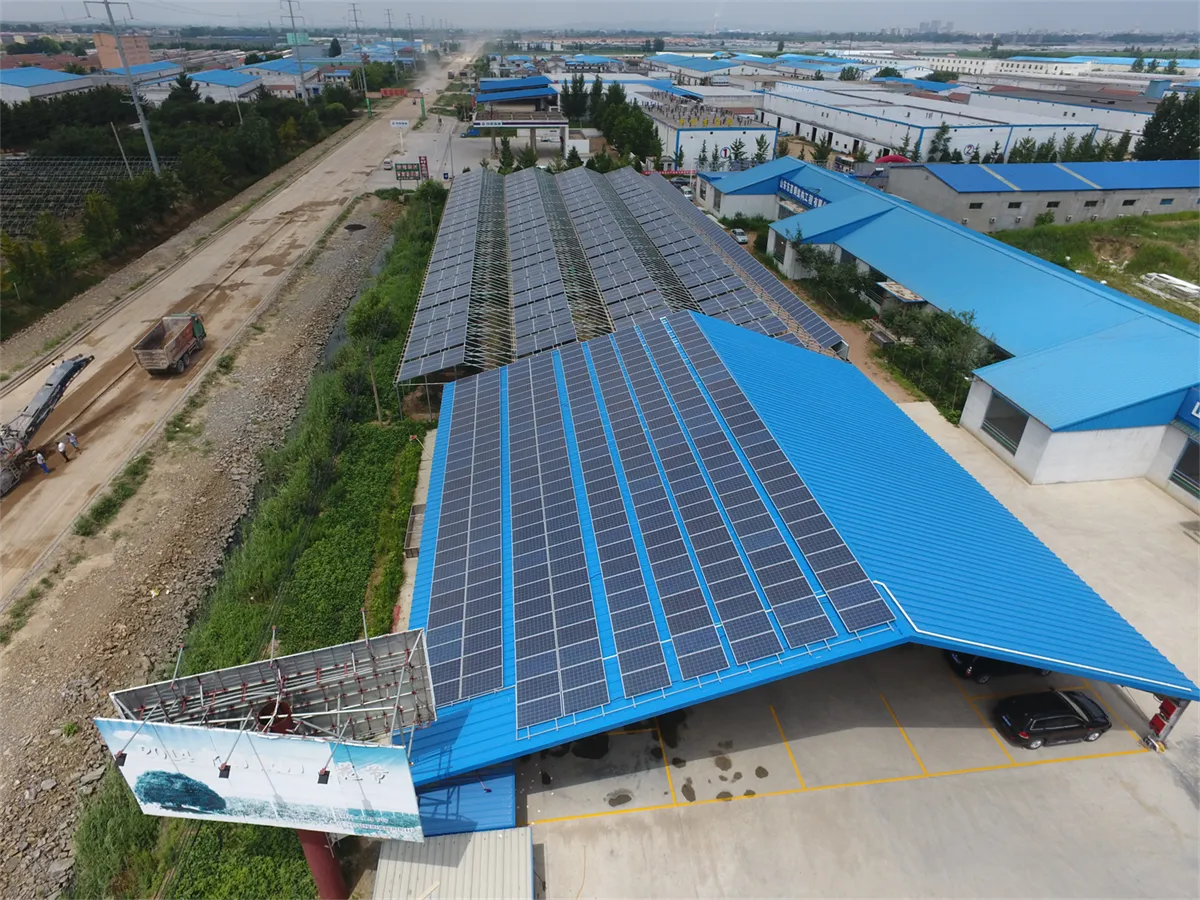
Solar panels live outside, so they need to handle whatever Mother Nature throws at them—hail, high winds, extreme temperatures, and even heavy snow. A panel that cracks or comes loose in a storm isn't just inefficient; it's a safety hazard. That's why durability testing is a big part of solar panel certification.
Let's talk about impact resistance first. Most panels are tested with hail simulations, where they're hit with ice balls at speeds up to 50 mph (80 km/h). The tempered glass front (usually 3.2mm thick) is designed to withstand these impacts without shattering. If it does crack, it breaks into small, blunt pieces instead of sharp shards, reducing the risk of injury. Wind resistance is another factor: panels are tested to handle wind speeds up to 140 mph (225 km/h) in some cases, which is equivalent to a Category 4 hurricane. This is achieved through strong mounting systems—think heavy-duty rails, brackets, and bolts that secure the panels to the roof or ground.
Temperature extremes are trickier. Solar panels work best in moderate temperatures, but they still need to function (and stay safe) in scorching heat or freezing cold. The materials used, like the backsheet and frame, are chosen for their ability to expand and contract without warping or cracking. For example, the adhesives that bond the panel layers together are tested to withstand temperatures from -40°F (-40°C) to 185°F (85°C), ensuring the panel doesn't delaminate (separate into layers) over time. Delamination isn't just a performance issue—it can expose internal wiring, leading to short circuits or even fires.
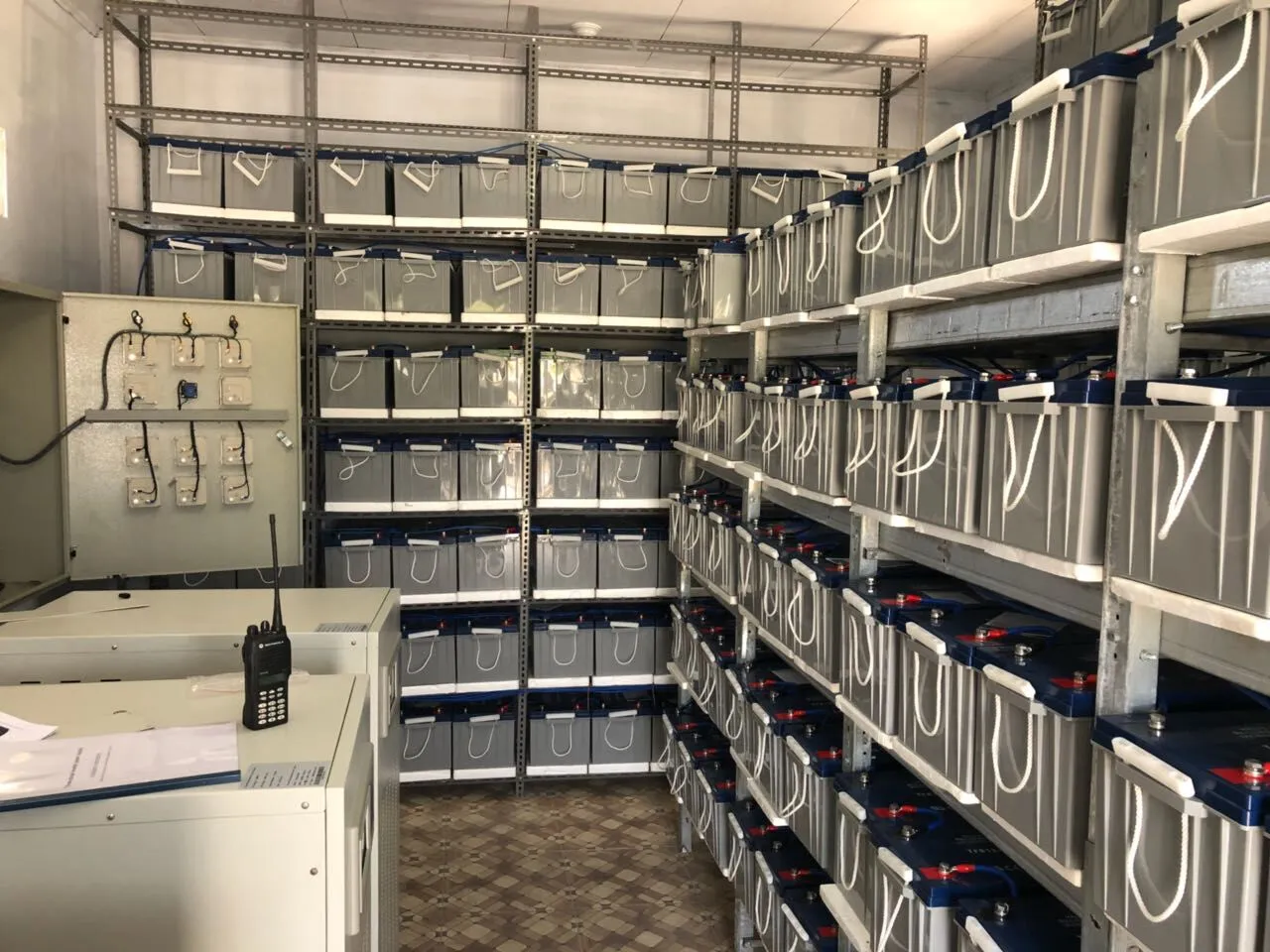
Even the safest solar panels can become dangerous if installed incorrectly. That's why relying on a qualified solar panels supplier and installer is non-negotiable. Professional installers follow strict guidelines to ensure the system is set up to minimize risks. For starters, they'll assess your roof's structure to make sure it can support the weight of the panels—too much weight could lead to roof collapse, especially in areas with heavy snowfall.
Wiring is another critical area. Installers use proper gauge wires (thick enough to handle the current without overheating) and secure them with clips to prevent them from rubbing against the roof or panels, which could strip the insulation. They also follow local electrical codes for things like conduit (protective tubes for wires) and spacing between panels to allow for ventilation. Ventilation isn't just about cooling the panels for efficiency—it also prevents moisture buildup, which can lead to mold or corrosion of electrical components.
Grounding, which we touched on earlier, is also handled during installation. Installers connect the system to the building's grounding rod, ensuring that any excess electricity is safely directed away from the structure. They'll also install disconnect switches, which allow you to shut off the solar system quickly in case of an emergency (like a fire or storm). These switches are usually located near the main electrical panel, making them easy to access.
How do you know if a solar panel actually lives up to these safety claims? Look for certifications from independent organizations. These certifications are like a stamp of approval, showing that the panel has been tested and meets specific safety and performance standards. Here are the key ones to watch for:
| Certification | Issuing Organization | What It Covers |
|---|---|---|
| UL 1703 | Underwriters Laboratories (UL) | Fire safety, electrical shock, and structural integrity. Panels must pass tests for flame spread, grounding, and insulation resistance. |
| IEC 61215 | International Electrotechnical Commission (IEC) | Performance and durability in various climates, including temperature cycling, humidity freeze, and mechanical load tests. |
| Class A Fire Rating (ASTM E84) | American Society for Testing and Materials (ASTM) | Measures flame spread and smoke development. Class A is the highest rating, indicating minimal flame spread. |
| IEC 61730 | International Electrotechnical Commission (IEC) | Safety requirements for construction, including protection against electric shock, fire, and mechanical hazards. |
These certifications aren't just for show—they're legally required in many places. For example, in the U.S., most local building codes mandate that solar panels meet UL 1703 standards. A solar panel solutions provider that offers certified panels isn't just following the law; they're giving you peace of mind that your system has been rigorously tested for safety.
Even the safest systems need regular check-ups. Solar panels are low-maintenance, but ignoring them can lead to safety problems down the line. Simple issues like loose wiring, cracked glass, or debris buildup can turn into hazards if left unaddressed. That's why a good maintenance plan is key.
Start with visual inspections. At least twice a year, take a look at your panels from the ground (or have a professional do it safely from the roof). Look for cracks in the glass, delamination (bubbles or peeling on the backsheet), or loose mounting hardware. Also, check for debris like leaves, branches, or bird nests—these can trap heat, causing hot spots, or block sunlight, reducing efficiency. If you see any of these issues, contact your installer or solar panels supplier to fix them promptly.
Many modern solar systems also come with monitoring tools that track performance in real time. These tools can alert you to drops in energy production, which might indicate a safety issue. For example, a sudden drop could mean a panel is short-circuiting or a wire has come loose. Some systems even have built-in fault detection that shuts down the affected part of the system automatically, preventing further damage. Regularly checking your monitoring app (or having a professional do it) can help you catch problems before they become dangerous.
Finally, remember that cleaning your panels is part of maintenance too—but do it safely. Never climb on your roof without proper training and equipment. Instead, use a soft brush and mild soap with a long-handled pole, or hire a professional cleaning service. Avoid using harsh chemicals or high-pressure washers, which can damage the glass or seals.
Solar panels are a safe, reliable energy solution when designed, installed, and maintained properly. From fire-resistant materials that align with Class A standards to robust electrical systems that prevent shocks, the safety features built into modern panels are impressive. But your role as a homeowner or business owner is just as important—choosing a reputable solar panels supplier , hiring certified installers, and keeping up with maintenance all play a part in ensuring your system stays safe for years to come.
At the end of the day, safety isn't something to compromise on. By understanding these key features and asking the right questions (like, "What fire rating do your panels have?" or "Do you follow UL 1703 installation standards?"), you can feel confident that your solar investment is protecting both your property and the people in it. After all, the best solar system is one that generates clean energy and gives you peace of mind.
Recommend Products












