
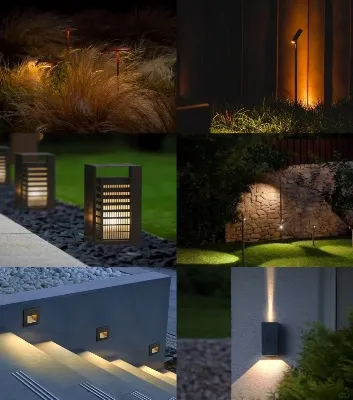
Hey there, garden lovers! Ever wandered through your backyard at night and thought, "Hmm, is that lovely glow actually safe?" With outdoor lighting becoming smarter and more complex, safety isn't just about avoiding a stubbed toe anymore. From waterproofing to wiring, we're diving deep into the crucial safety tech that keeps your nighttime oasis both beautiful and hazard-free.
Rain or shine – your garden lights don't get days off. That's why IP67 waterproof ratings are non-negotiable. Picture this: Your lights aren't just covered with a flimsy plastic shield but sealed tight like a submarine hatch. How's this work?
| IP Rating | Protection Level | Best For |
|---|---|---|
| IP65 | Heavy rain resistance | Path lights, deck spots |
| IP67 | Submersion up to 1 meter | Pond lights, floodlights |
| IP68 | Permanent underwater use | Fountain features, pool lighting |
Ever see those stunning spa tubs or waterproof flooring areas? Lighting near those zones demands the same military-grade sealing. I've seen too many "water-resistant" lights fry after one storm – IP67+ is the difference between replacing bulbs yearly and forgetting about maintenance.
Remember old halogen lamps that could fry an egg? Modern LED lights have revolutionized heat dissipation. Here's the cool tech:
I recall installing lights near custom kitchen cabinets – wood warped within months from cheap lighting heat. Good thermal design protects not just the bulb but everything around it.
Here's where solar panels shine – literally and safety-wise:
Eliminates risky underground voltage that could turn damp soil into a hazard zone during gardening. Especially critical near garage flooring or play areas.
While hardwired systems run 120V, quality solar lights operate at 12V – about the same as your car charger. Less zap even if mishandled.
True story: My neighbor tripped on a cut extension cord near his integrated ceiling system patio lighting. Took three months for his hibiscus to recover from salt runoff after winter salting! Solar paths would've prevented this.
While garden fires are rare, the wrong combo of dry leaves + hot fixtures = disaster. Protection essentials:
California homeowners learned this hard way – drought conditions + poorly designed spotlights ignited ornamental grasses. Modern lights essentially have their own fire marshal onboard!
Gone are the days of simple timers. Today's security features include:
| Smart Feature | Safety Function | Example Scenario |
|---|---|---|
| Auto-Brightness | Prevents blinding glare on pathways | Stepping stones near pool |
| Motion Detection | Illuminates trip hazards before approach | Stair edges, root-raised pavers |
| Fault Alert System | App notifications for short circuits | Prevents slow electrical fires |
These features borrow tech from smart home appliance solutions , making your garden lights as responsive as your thermostat. The number of ER trips from dark garden stairs? Plummets when lights anticipate your steps!
Your beautiful new lights are only as safe as their installation. Crucial considerations:
Lights within 10 feet of water features must have Class 3 insulation – anything less is gambling. It's like how pipe fittings for pools need special codes.
Buried wiring deserves armored sleeves against shovels and gnawing critters. Ever seen mole-damaged wires? Looks like spaghetti in a blender!
Pro tip: When installing near commercial flooring systems or patios, plan wiring before surface work. Retrofitting always increases puncture risks.
Safety doesn't stop at installation. Maintain lights like you would outdoor granite kerbstones :
A landscaper friend learned this lesson when corroded connections caused flickering near a client's koi pond. Fish don't appreciate surprise strobe effects!
Your garden should be a sanctuary, not a hazard course. From weather-battling waterproofing to heat-zapping tech, today's lighting brings science to safety. Remember:
Now go enjoy that moonlit stroll – safely!
Recommend Products












