


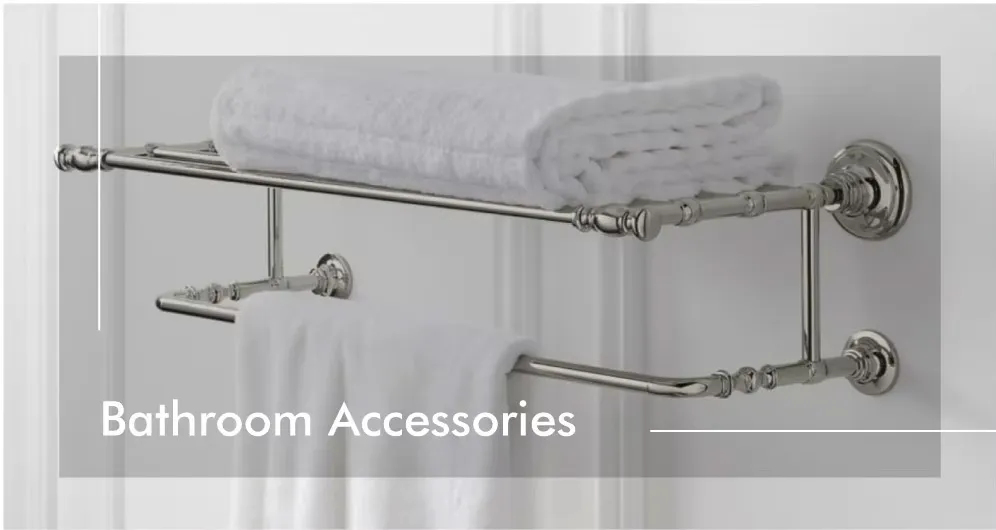
Ever walked into your bathroom and spotted those annoying reddish-brown stains on your faucet or towel rack? That frustrating moment when you realize your "stainless" steel isn't living up to its name? You're not alone. Those rusty bathroom accessories can turn your sanctuary into an eyesore faster than you can say "chrome polish."
The truth is, stainless steel bathroom fittings aren't completely immune to corrosion, especially in the humid battleground of your bathroom. But don't rip out those fixtures just yet! Understanding why rust happens and how to fight it can save you hundreds on replacements. Let's dive into practical rust solutions that actually work.
Why "Stainless" Steel Gets Stained
Stainless steel contains chromium that forms an invisible protective layer. When this layer gets compromised, iron in the alloy reacts with oxygen and moisture - hello rust! Bathrooms are especially problematic because:
Rust Trigger Triad:
- Hard Water Minerals - Calcium and magnesium deposits scrape away protective layers
- Chemical Exposure - Bleach, hair dyes, and acidic cleaners eat through chromium defenses
- Physical Damage - Scratches from metal scrubbers create rust launching pads
Fun fact: Your stainless steel bathroom accessories might look identical, but their chromium content varies significantly. Grade 304 (18% chromium) works fine in dry areas but bathrooms demand Grade 316 (16% chromium + 2% molybdenum). That extra molybdenum makes all the difference against moisture attacks!
Rust Removal Techniques That Actually Work
The Lemon-Salt Scrub
Cut lemon in half, dip in salt, scrub rust spots. Citric acid breaks down oxidation while salt acts as gentle abrasive. Rinse thoroughly after 10 minutes.
Baking Soda Miracle Paste
3 parts baking soda + 1 part water. Apply with toothbrush using circular motions. The alkaline nature neutralizes corrosion without scratching.
Vinegar Soak Method:
- Remove accessory if possible (faucet aerators, drain covers)
- Submerge in white vinegar for 1-4 hours depending on severity
- Scrub gently with nylon brush (NEVER steel wool!)
- Neutralize acid with baking soda solution
- Dry completely with microfiber cloth
Pro Tip: For non-removable fixtures, soak paper towels in vinegar and wrap affected areas like a compress. Cover with plastic wrap to prevent evaporation.
Prevention is Better Than Cure
Dealing with rust reactive solutions is exhausting. Here's how to create a rust-resistant bathroom environment:
The 30-Second Wipe Down: After showers, quickly dry fixtures with a microfiber cloth. This simple habit prevents 80% of potential rust issues.
pH-Neutral Cleaners Only: Avoid bleach-based products. Look for cleaners specifically labeled safe for stainless steel.
Carnauba Wax Sealant
Apply thin coat with soft cloth every 3-6 months. Creates water-repellent barrier while adding shine.
Passivation Treatment
Specialized citric/nitric acid gel reinstalls chromium layer. Best for high-moisture areas near showers.
When Professional Help is Needed
Sometimes DIY methods won't cut it. Seek professional intervention when you notice:
- Deep pitting that catches your fingernail
- Rust bleeding from screw holes or joints
- More than 30% surface area affected
Professionals use advanced techniques like:
- Electrolytic Rust Removal - Uses electrical current to reverse oxidation
- Laser Ablation - Precision rust removal without damaging surrounding material
- Industrial Passivation - Restores chromium layer at molecular level
Surprisingly, professional restoration often costs 40-60% less than full replacement of bathroom accessories!
Choosing Future-Proof Fixtures
Upgrading fixtures? Implement these rust-resistant specifications:
Material Matters
Opt for 316L surgical-grade stainless steel instead of standard 304. The "L" denotes low carbon content, significantly boosting corrosion resistance.
Protective Coatings
Look for PVD (Physical Vapor Deposition) coated finishes. These ceramic coatings create virtually impenetrable barriers.
Installation Wisdom: Always use nylon washers between metal components. Direct metal-on-metal contact creates galvanic corrosion cells that accelerate rusting.
Considering an integrated wall panel system? These modern solutions minimize moisture-trapping joints - a game-changer for humidity control. The indoor environmentally friendly decoration board design approach (as featured in green building materials) creates seamless surfaces that naturally resist corrosion-friendly environments.
The Rust-Free Maintenance Schedule
Consistency beats intensity when fighting rust. Implement this maintenance calendar:
Daily: Quick dry after use · Wipe away toiletries spills immediately
Weekly: Clean with pH-neutral cleaner · Inspect for early rust signs
Monthly: Deep clean joints and crevices · Apply protective wax if needed
Biannually: Check for mineral buildup · Reapply sealant coatings
Remember: Preventing rust isn't about intensive labor - it's about smart, consistent habits. Your future self will thank you when your bathroom accessories still look pristine years later!
Final Thoughts
Rust on stainless steel bathroom fittings doesn't mean you bought low-quality products. Bathrooms create uniquely challenging environments where humidity, chemicals, and minerals conspire against even the best metals. By understanding why rust happens and implementing both immediate solutions and long-term prevention, you can maintain beautiful fixtures for decades.
The battle against corrosion is winnable with knowledge and consistency. Start with gentle cleaning methods, upgrade your protective strategies, and remember that professional help is valuable for severe cases. Your bathroom should be your sanctuary - not a rust-repair workshop!










