


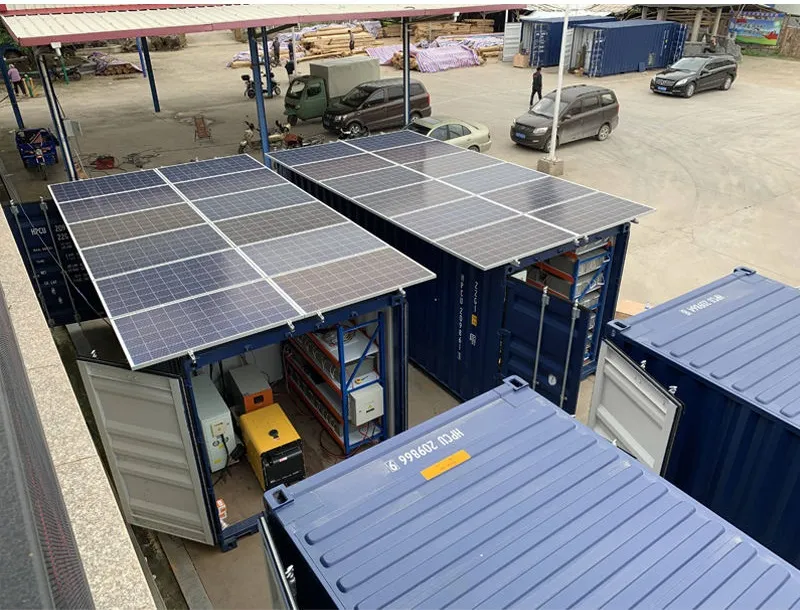
Let's talk rooftops. When you look at those empty expanses of shingles baking in the sun day after day, doesn't it feel like wasted potential? All that prime real estate just sitting there, begging to be put to work generating clean energy. But turning that space into an efficient power plant isn't as simple as slapping some panels up there willy-nilly. That's where rooftop solar design software comes in – your secret weapon for squeezing every drop of value from that precious rooftop.
Imagine standing in front of a homeowner with genuine confidence, knowing your design isn't just solar panels slapped on a roof, but a precision-crafted energy factory. That's the difference between a generic blueprint and a solution crafted by powerful solar design tools. These platforms transform guessing games into predictable outcomes.
Why Software Matters More Than Ever
Gone are the days of rough sketches and finger-in-the-wind estimates. With solar becoming mainstream, homeowners and businesses demand accuracy. They want to know exactly how much energy they'll produce, what their roof will actually look like, and when they'll start seeing returns. Software delivers that certainty. It’s the bridge between possibility and reality.
Precision Down to the Penny
Forget manual shading calculations that take hours and might still be wrong. Modern tools like SolarEdge Designer use AI-assisted 3D modeling paired with HD satellite imagery . This means you can show customers exactly where every panel will sit and prove why that spot gets the optimal sun exposure, avoiding annoying "my neighbor's tree grew!" surprises years later.
Financial Confidence for Closing Deals
"When do I break even?" is the million-dollar question. Software doesn't leave you scrambling. Tools such as ARKA 360 generate compelling financial forecasts showing ROI timelines down to the month, incorporating regional energy rates and seasonal variations. It turns vague promises into concrete data that speeds up sign-offs.
Speed That Pays Your Bills
What used to take a full day – measuring, mapping obstacles, stringing calculations – now takes minutes. Aurora Solar demonstrates this brilliantly with its automated electrical design and shading analysis. Faster designs mean more proposals out the door, translating directly to more installations each month.
Say Goodbye to Re-Dos
Imagine the sinking feeling realizing your proposed layout violates fire codes after installation started. Top-tier software includes built-in compliance checks against national and local regulations. SolarEdge Designer highlights this by ensuring designs follow NEC rules automatically, saving you from costly do-overs.
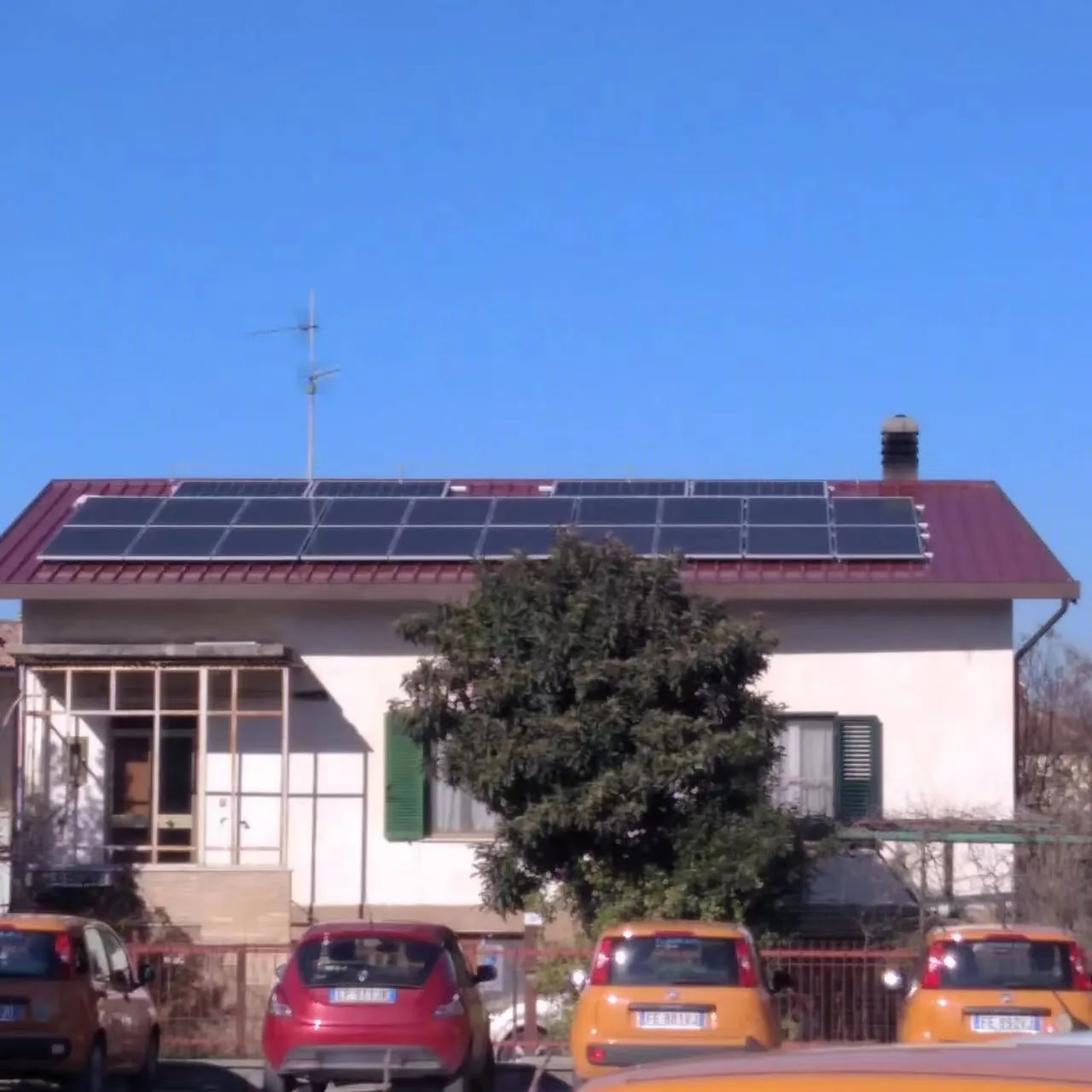
Features to Demand in Your Design Toolkit
Okay, so you know software is essential. But what separates a good tool from a game-changing one? I’ve evaluated dozens, and here’s what truly matters:
Intelligent Roof Mapping
The gold standard here is LiDAR data integration like HelioScope uses. It doesn't just see a flat roof; it maps every pipe, HVAC unit, dormer, and skylight in 3D. You can virtually "test" panel placements for clearance and accessibility before committing.
Dynamic Obstacle Handling
Your customer has a beloved oak tree they won't cut down? No problem. Look for software where you can drag-and-drop adjustable shade profiles throughout the year. PVsyst excels at this, letting you simulate tree growth over decades. This foresight prevents nasty underproduction surprises down the road.
Comprehensive Financial Reporting
Beyond basic ROI, best-in-class platforms (like Aurora Solar) compare leasing, loans, and PPA options side-by-side. They factor in tax credits, utility rate increases, and even net metering policies. This level of detail converts skeptics into believers.
Seamless Professional Outputs
Generating pro-grade CAD layouts, SLDs (Single Line Diagrams), and permit-ready docs shouldn't require an engineering degree. ARKA 360 stands out by letting you export directly to popular formats like DXF files that contractors can use immediately – no back-and-forth hassle.
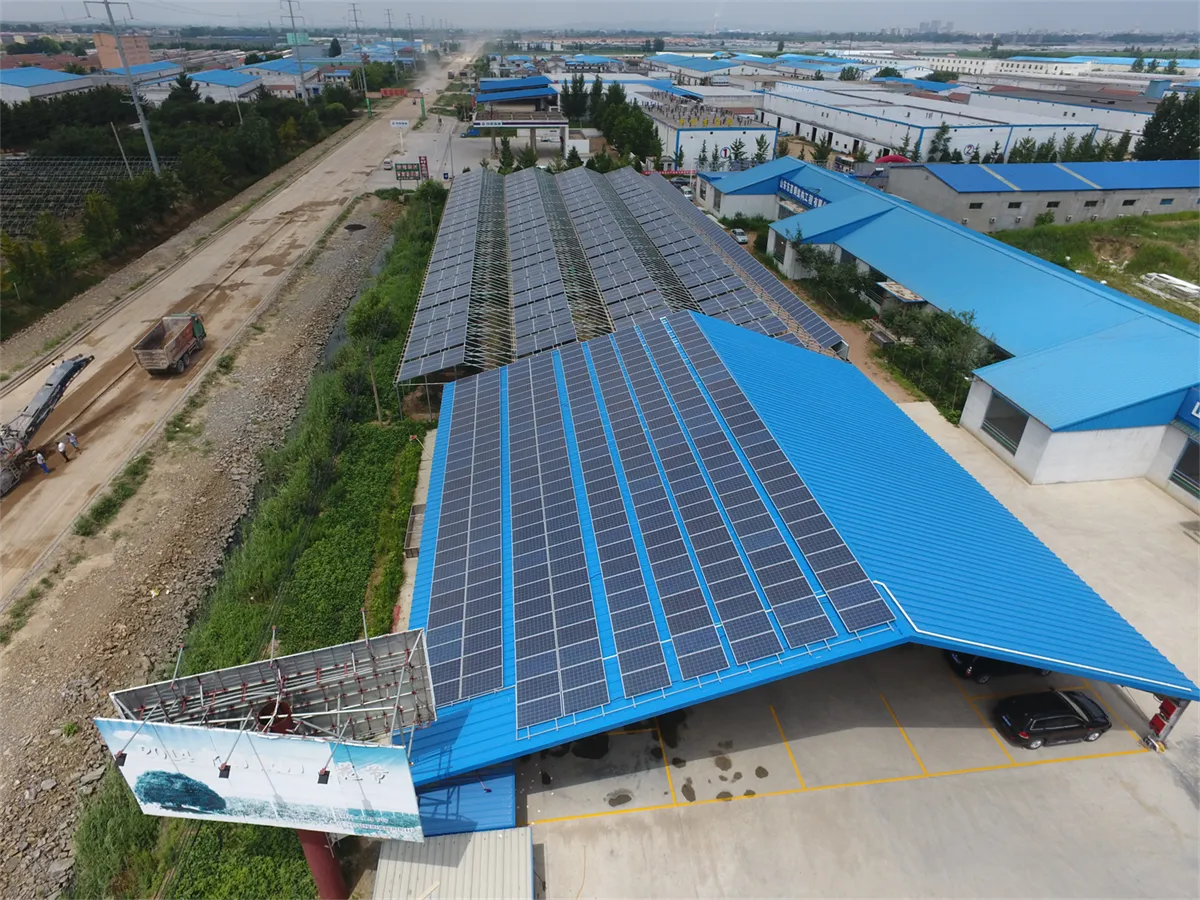
Comparing the Heavy Hitters
Now, let's get specific. I've spent serious time hands-on with these platforms. Here’s the real scoop:
SolarEdge Designer: The Compliance Powerhouse
Where it shines: If you live and breathe SolarEdge optimizers and inverters. Its integration with their hardware ecosystem is flawless. You get real-time alerts if your string lengths or voltage limits are off. The big bonus? Automatic NEC compliance checks that sidestep costly installation errors.
Watch out: Less flexible if you regularly use other brands. Free, but tied heavily to the SolarEdge ecosystem.
ARKA 360: The Speed Demon
Where it shines: Blazing-fast turnarounds. Their AI-assisted design engine crunches through roof layouts in minutes, spotting the most efficient panel placements almost instantly. The sales proposal generation is slick and highly visual – clients "get it" immediately. Claims to boost conversions by 300%? With how fast you can move, it's plausible.
Watch out: Primarily browser-based and English-only for now. Less granular control than some engineers might crave.
Aurora Solar: The Detail King
Where it shines: Unmatched accuracy in energy modeling and financial forecasting. Their 3D engine meticulously calculates every beam of light, accounting for reflections, roof angles, and micro-shading. The financial models are incredibly nuanced – perfect for complex commercial projects. Huge component database for flexibility.
Watch out: That power comes at a price (higher subscription tiers). Can feel overwhelming for residential-only installers with simpler roofs.
HelioScope: The Utility-Scale Specialist
Where it shines: Built for large-scale complexity. Handling massive industrial roofs or ground mounts? HelioScope's strength is handling systems up to 5MW. The detailed wiring diagrams and automatic Bill of Materials (BOM) generation save serious engineering hours. Excellent for intricate shading scenarios on multi-story buildings.
Watch out: Less focus on residential sales tools. Can be overkill and pricey for smaller installers.
PVsyst: The Engineer's Playground
Where it shines: If you're obsessed with the physics of solar. PVsyst delves deep into module degradation curves, soiling losses, bifacial performance, and complex thermal models. Essential for R&D or hyper-accurate predictions in niche environments.
Watch out: Steep learning curve. Not intuitive for quick sales proposals. UI feels dated.
OpenSolar: The Wallet-Friendly All-Rounder
Where it shines: Amazing value proposition – a robust free tier! Good speed for designing straightforward residential systems. Includes surprisingly solid proposal generation and CRM tools. Mobile-friendly for designing on-site in front of the customer.
Watch out: Fewer advanced features like heat mapping or detailed commercial finance tools. Limited component library compared to paid giants.
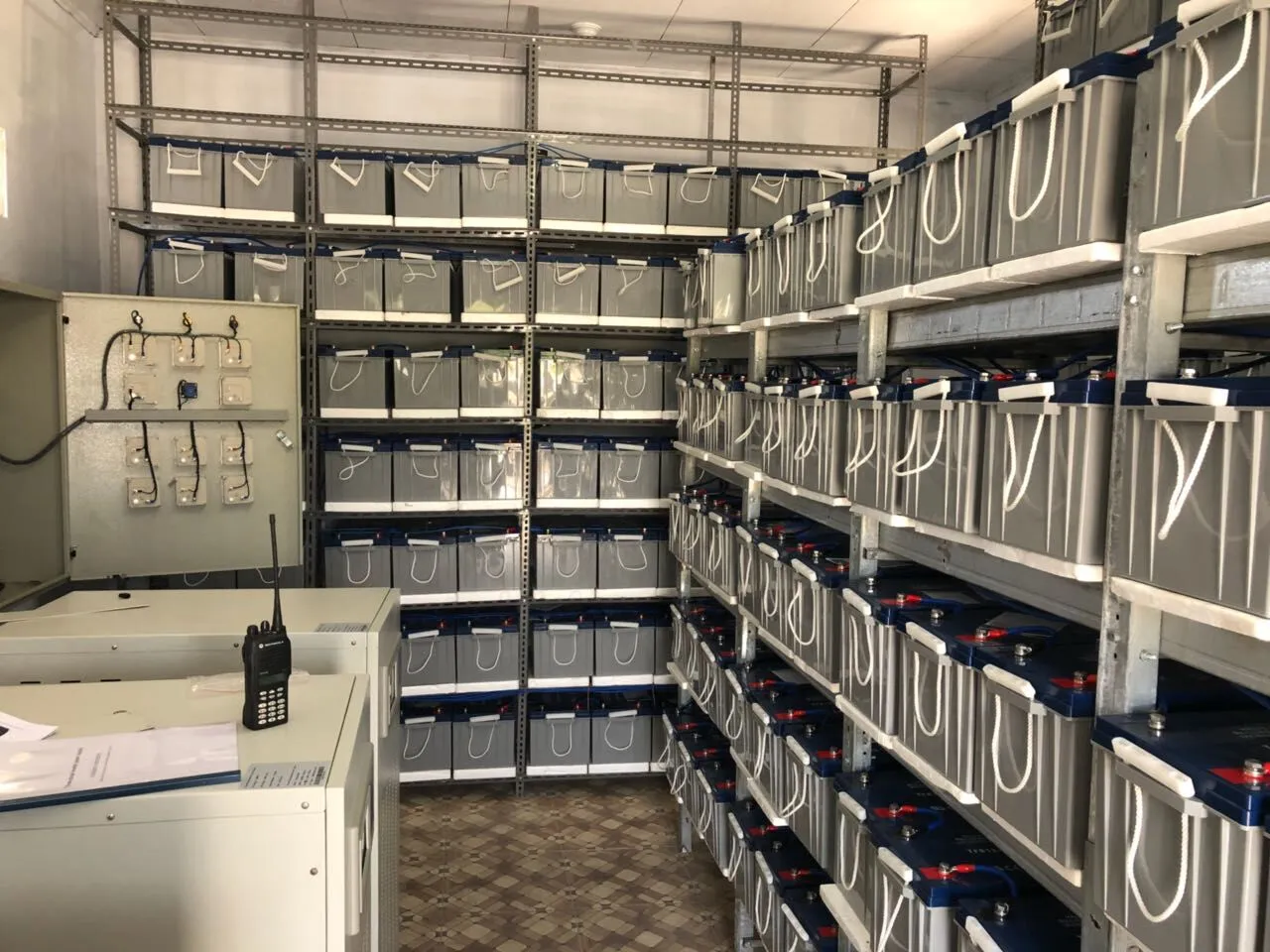
Choosing Your Digital Partner
Picking software isn't a one-size-fits-all decision. Ask yourself:
- What's your volume? High-volume residential shops need ARKA 360's speed or OpenSolar's affordability. Large commercial players lean towards HelioScope or Aurora.
- Who's designing? If your salespeople do quick designs, prioritize intuitive UIs (OpenSolar, ARKA). If engineers handle details, power matters more (PVsyst, Aurora).
- How integrated is your workflow? Do you need CRM links? Permitting automation? API access? Aurora and SolarEdge offer stronger ecosystems.
- What hardware dominates? Heavy SolarEdge users will save time sticking with their native tool.
Don't commit before a trial. Use a real project with a tricky roof – not a perfect rectangle. See how the software handles shade, complex angles, and equipment constraints. Does it feel like a partner making you look smart?
What's Next: The Software Horizon
This tech isn't standing still. Here's where it's headed:
Hyper-Realistic Visualizations
Soon, augmented reality (AR) apps will project exact panel placements onto the customer's actual roof in real-time using just a phone or tablet – eliminating "I can't picture it" objections.
AI-Driven Optimization
Beyond suggesting placements, AI will start recommending specific panel/inverter combinations based on microclimate data, roof age, and even local incentives to maximize building materials lifespan and ROI.
Seamless Utility & Permit Integration
Imagine software that pre-populates utility interconnection forms and applies for permits electronically, drawing directly from your design. This tedious bottleneck is next on the chopping block.
Predictive Maintenance Insights
Integrating design data with monitoring systems. Software could predict hotspots, underperforming strings, or inverter failures before they happen, flagging issues during seasonal check-ins.
The Bottom Line for Your Business
The right rooftop solar design software isn't an expense; it's your profit engine. It slashes weeks off your design-to-installation cycle, boosts conversion rates with stunning visualizations, and prevents costly installation mishaps. Whether you're a one-person shop relying on OpenSolar's free power or a growing team needing Aurora's industrial muscle, these tools turn technical complexity into competitive advantage. The inorganic decorative panel might adorn the building's façade, but it's the smart software behind the scenes that truly ensures those solar panels deliver their maximum potential for decades. Stop leaving energy and money on the rooftop.
The Question: Will you keep wrestling with CAD sketches and Excel spreadsheets? Or embrace the tools built to scale your business? The industry’s best are already leveraging them to win the rooftop race.










