

In the dynamic world of construction and interior design, every decision—from the foundation to the finishing touches—ripples through the success of a project. For building material suppliers, especially those specializing in wall solutions, the products they offer aren't just inventory; they're the backbone of their reputation, customer loyalty, and bottom line. Today, as clients increasingly demand materials that balance durability, aesthetics, and cost-effectiveness, one product stands out as a game-changer: premium porcelain slab tile for wall applications. In this article, we'll explore why porcelain slab tile for wall suppliers are reaping long-term rewards, and how integrating porcelain slab tile for wall solutions into your product lineup can transform your business's ROI from a short-term gain to a sustainable, growing profit stream.
Walls are more than just dividers; they're the canvas on which spaces come to life. Whether it's a cozy residential living room, a bustling commercial lobby, or a high-traffic hospital corridor, the choice of wall materials directly impacts a project's durability, safety, and visual appeal. For wall suppliers , this means navigating a market flooded with options—from traditional paint and wallpaper to modern alternatives like MCM flexible cladding, bamboo charcoal boards, and PU stone panels. Each material comes with its own set of pros and cons, but in today's cost-conscious yet quality-driven environment, clients are no longer willing to sacrifice longevity for a lower upfront price.
Consider this: A property developer building a mid-rise apartment complex might initially opt for budget-friendly wall panels to cut costs. But if those panels start chipping, staining, or requiring frequent repairs within five years, the developer faces not just additional expenses but also reputational damage. On the flip side, a supplier who recommends a durable, low-maintenance alternative builds trust—and trust translates to repeat business. This is where porcelain slab tiles enter the picture. Unlike many competitors, they're engineered to thrive in high-stress environments, making them a win-win for both the end client and the supplier who provides them.

To understand why porcelain slab tiles are a smart investment for wall suppliers , let's start with what makes them unique. Porcelain slab tiles are crafted from fine clay, sand, and minerals, compressed at extremely high pressures (up to 5,000 psi) and fired at temperatures exceeding 1,200°C. This rigorous manufacturing process results in a material that's dense, non-porous, and resistant to scratches, stains, moisture, and even fading from UV exposure. Unlike natural stone (which is porous and requires regular sealing) or MCM cladding (which can be prone to denting), porcelain slab tiles are built to withstand the test of time—and the wear and tear of daily life.
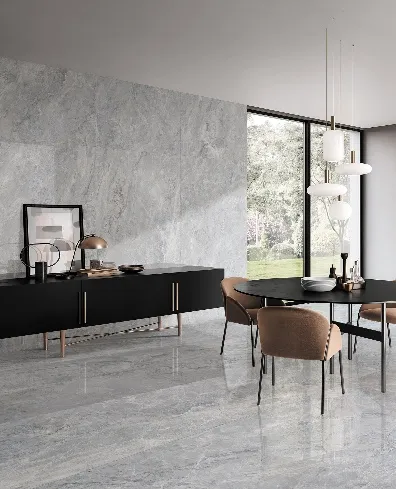
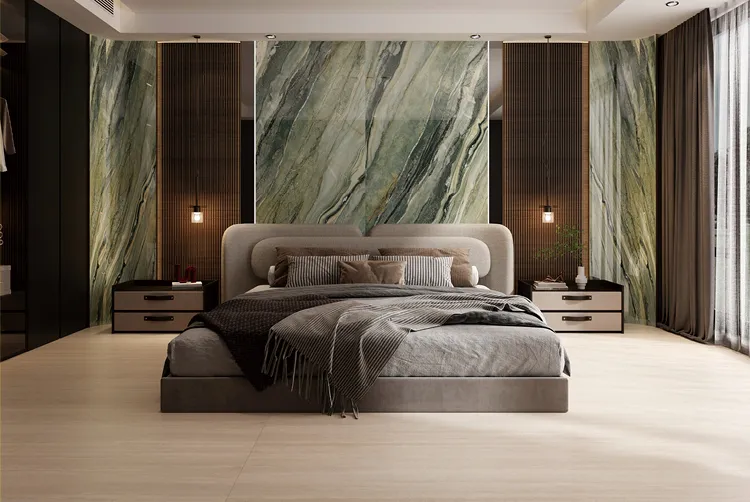
But durability isn't their only selling point. Modern porcelain slab tiles come in a staggering array of designs, mimicking everything from marble and granite to wood grain and concrete. This versatility means they're suitable for virtually any project: a luxury hotel might opt for large-format, vein-cut marble-look slabs for its lobby walls, while a school could choose slip-resistant, matte-finish tiles for its corridors. For suppliers, this adaptability translates to a broader customer base—residential contractors, commercial developers, healthcare facilities, and even hospitality venues can all find value in porcelain slab tile solutions.
At first glance, premium porcelain slab tiles might carry a higher initial price tag than some alternative wall materials. It's a common objection: "Why would a client pay more upfront when there are cheaper options?" But ROI isn't just about the first invoice—it's about the total cost of ownership over time, and the ripple effects on your supplier business. Let's break down how porcelain slab tiles stack up in key areas that directly impact your bottom line.
For end clients, maintenance is often the hidden cost that erodes profitability. A bamboo charcoal board wall, for example, might seem affordable initially, but its porous surface can absorb moisture, leading to mold growth and the need for replacement within 7–10 years. Similarly, PU stone panels, while lightweight, can crack under heavy impact, requiring frequent repairs. Porcelain slab tiles, by contrast, are non-porous and resistant to water, stains, and scratches. A quick wipe with a damp cloth is usually all it takes to keep them looking new. For porcelain slab tile for wall suppliers , this means fewer customer complaints, fewer product returns, and a reputation for reliability. When clients know they won't be hit with unexpected maintenance bills down the line, they're more likely to choose your solutions—and recommend you to others.
The average lifespan of a high-quality porcelain slab tile is 25–30 years, compared to 10–15 years for MCM cladding or 5–8 years for vinyl wall panels. This longevity isn't just a benefit for the client—it's a goldmine for suppliers. Think about it: A contractor who installs porcelain slab tiles in a commercial building today won't need to replace them for decades. But when they do take on a new project, who will they call? The supplier who provided a product that exceeded expectations. Repeat business is the lifeblood of any supplier, and porcelain slab tiles create a cycle of trust that turns one-time clients into long-term partners.
While porcelain slab tiles have a higher initial cost, they also command premium pricing in the market. Clients are willing to pay more for materials that offer durability, aesthetics, and peace of mind—especially in sectors like healthcare and education, where safety and hygiene are paramount. As a porcelain slab tile for wall supplier , this allows you to position your business as a provider of premium solutions, not just commodities. Higher margins per sale mean more revenue to reinvest in your business, whether through marketing, expanding your product line, or improving customer service.
Porcelain slab tiles aren't limited to one type of project. Their fire-resistant properties (many meet Class A fire ratings) make them ideal for hospitals and schools, while their customizable designs appeal to luxury residential developers. They can be used indoors or outdoors, on walls or even floors (though we're focusing on wall solutions here). This versatility means you can target multiple niches with a single product line, reducing inventory complexity and increasing your market share. A supplier who offers both residential and commercial wall solutions is better positioned to weather economic fluctuations than one tied to a single sector.
To truly grasp the ROI potential, let's put porcelain slab tiles head-to-head with other popular wall materials in a side-by-side comparison. The table below highlights key factors that matter most to clients—and to your success as a supplier.
| Wall Material | Initial Cost (per sqm) | Expected Lifespan | Annual Maintenance Cost (est.) | Key Limitations | ROI Potential for Suppliers |
|---|---|---|---|---|---|
| Porcelain Slab Tile | $45–$80 | 25–30 years | $5–$10 | Heavier than some alternatives; requires professional installation | High: Long lifespan, low maintenance, premium pricing, broad market appeal |
| MCM Flexible Cladding | $35–$60 | 15–20 years | $15–$20 | Prone to fading in direct sunlight; can delaminate if not installed properly | Medium: Lower initial cost, but higher long-term maintenance for clients |
| Bamboo Charcoal Board | $30–$50 | 7–10 years | $20–$30 | Porous; susceptible to moisture damage and mold | Low: High replacement frequency leads to client dissatisfaction |
| PU Stone Panel | $25–$45 | 8–12 years | $10–$15 | Not fire-resistant; can crack under impact | Medium-Low: Attractive initial price, but limited lifespan reduces repeat business |
As the table shows, porcelain slab tiles have a higher initial cost, but their extended lifespan and minimal maintenance costs make them the most cost-effective choice over time. For suppliers, this translates to happier clients who return for future projects, and a product that justifies premium pricing—all of which boost your ROI.
Let's ground this in a hypothetical but realistic scenario. Imagine a mid-sized wall supplier in Saudi Arabia, serving both residential and commercial clients. Three years ago, their product lineup focused on budget-friendly options like PU stone panels and vinyl wall coverings. While sales were steady, profit margins were tight, and they struggled with frequent client complaints about durability.
Then, they added porcelain slab tile for wall solutions to their offerings. Initially, some clients balked at the higher price, but the supplier invested in educating clients about long-term savings. They provided case studies of projects where porcelain tiles had lasted 20+ years with minimal upkeep. Within 18 months, something shifted: Commercial developers, in particular, began specifying their porcelain slabs for hotels and office buildings, valuing the low maintenance and high-end aesthetic. Residential contractors followed suit, as homeowners increasingly prioritized "forever homes" over quick fixes.
Today, porcelain slab tiles account for 40% of their wall solutions revenue—and 60% of their profits. They've expanded their team to handle the demand, and client referrals have doubled. The moral? Investing in premium products isn't just about selling more—it's about selling smarter, building loyalty, and creating a business that grows sustainably.
The construction industry is evolving, and suppliers who stay ahead of trends will thrive. Two key shifts are shaping the market today: a focus on sustainability and a demand for large-format, seamless designs. Porcelain slab tiles check both boxes.
Sustainability: Porcelain is made from natural materials (clay, sand) and requires minimal processing compared to synthetic alternatives. Many manufacturers now use recycled content and energy-efficient kilns, appealing to eco-conscious clients. For suppliers, this means tapping into the green building market—a sector projected to grow by 11% annually through 2030.
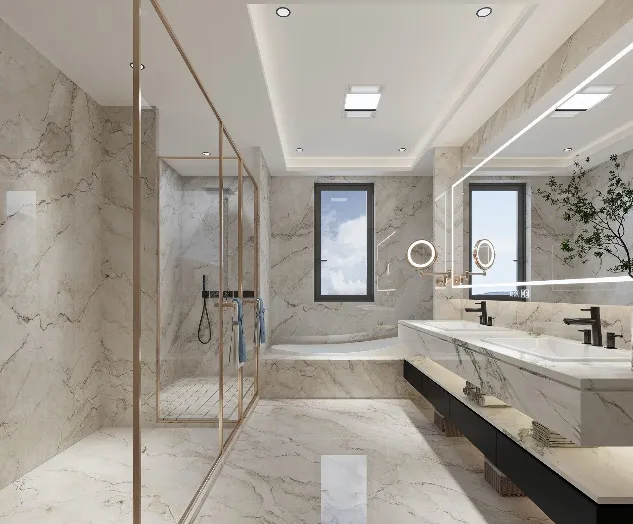
Large-Format Designs: Clients increasingly want walls with minimal grout lines and a "" ( –) look. Porcelain slab tiles are available in sizes up to 1600x3200mm, allowing for seamless installations that mimic the look of natural stone or concrete without the weight or maintenance issues. This trend positions porcelain slab tile for wall suppliers as innovators, not just vendors.
At the end of the day, the ROI of choosing premium porcelain slab tiles for your wall solutions business isn't just about dollars and cents. It's about building trust with clients who know you prioritize their long-term success. It's about reducing the friction of returns and complaints, freeing up time to focus on growth. It's about positioning your business as a partner, not just a supplier.
For wall suppliers looking to thrive in a competitive market, the message is clear: investing in porcelain slab tile for wall solutions isn't an expense—it's a strategic move that pays dividends for years to come. By offering a product that combines durability, aesthetics, and long-term savings, you're not just selling tiles—you're selling peace of mind. And in the world of building materials, peace of mind is the most valuable currency of all.
Recommend Products











