
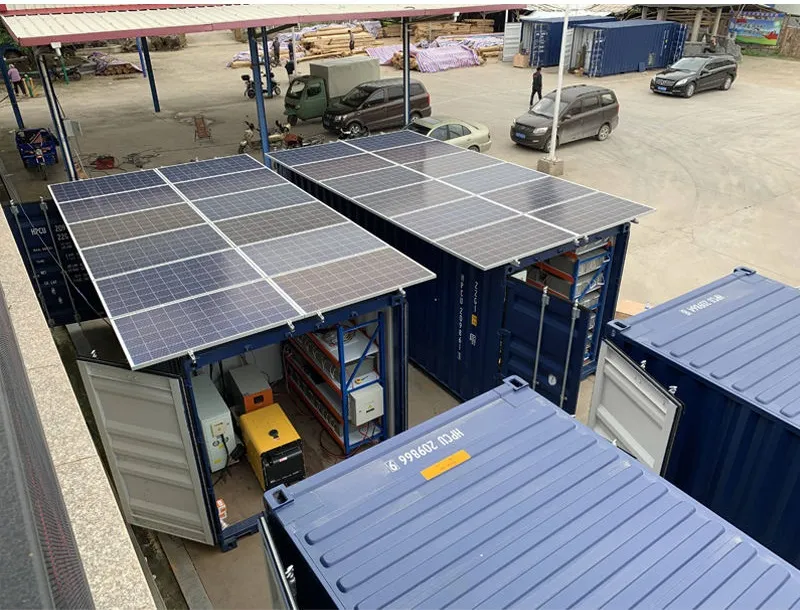
You flip the switch, expect clean energy to flow – but what happens when that solar dream turns into a fiery nightmare? As photovoltaic systems explode across rooftops and fields globally, fire risks lurk behind every panel and connector. This isn't scaremongering; it's reality. In 2019 alone, 66 solar-related fires ignited across Britain, outnumbering the previous year's total by July. The hidden culprits? Overlooked hot-spot effects in shaded cells, aging cables sending sparks flying, and installation shortcuts biting back years later.
Picture those sleek panels soaking up sunlight – they're essentially chemical power plants on your roof. Inside each module, semiconductor layers react to photons, generating DC current. But here's where trouble brews: combine high-voltage DC arcs with combustible backsheets (many contain flammable polyethylene terephthalate), and you've created an ignition cocktail.
The UK Fire Protection Association analyzed recent incidents and found installation errors caused 36% of fires, while poor-quality components triggered 15%. Remember the 2009 California blaze? It incinerated 1,826 modules because one hot-spot effect went undetected. When partial shade hits just 5% of a module, temperatures can spike 10°C beyond normal – enough to melt encapsulants and start thermal runaway.
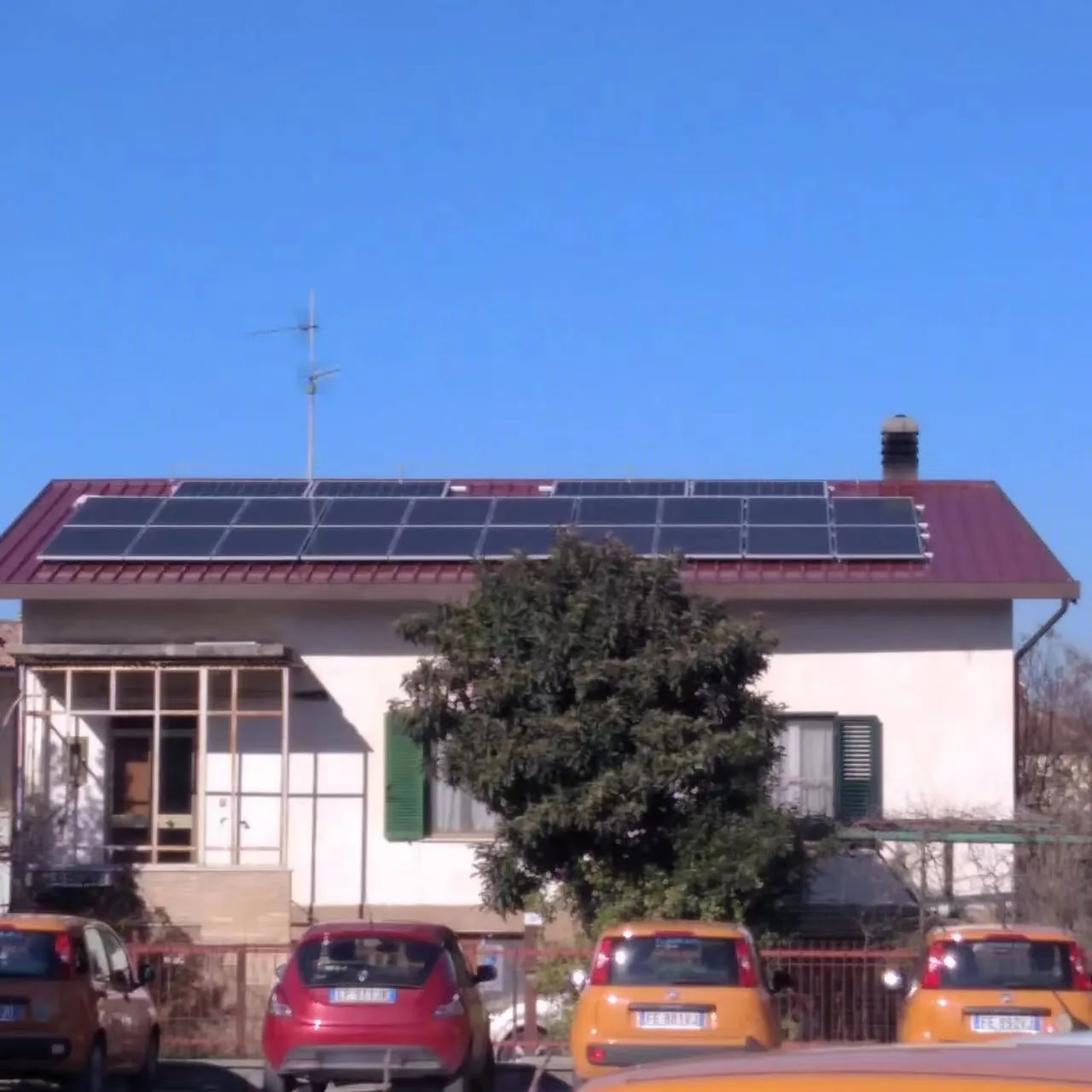
Imagine bird droppings or autumn leaves casting shadows across cells. Unlike AC systems that stop flowing when interrupted, DC current from unshaded cells forcibly reverses through shaded ones. This turns innocent cells into resistors glowing at 150°C – a phenomenon called hot-spot heating. Wuhan University simulations proved it takes under 50 seconds for ignition when irradiance exceeds 26 kW/m².
Connectors aren't forever. Field studies show contact resistance increases 300% after five years of thermal cycling. Combine that with vibration from wind loads, and you get micro-gaps where DC arcs form. These aren't gentle sparks – they're sustained plasma channels reaching 6,000°C. The IEEE documented an arc incident where temperatures near a faulty combiner box hit 1,200°C within 90 seconds.
Rushed installations create perfect failure recipes:
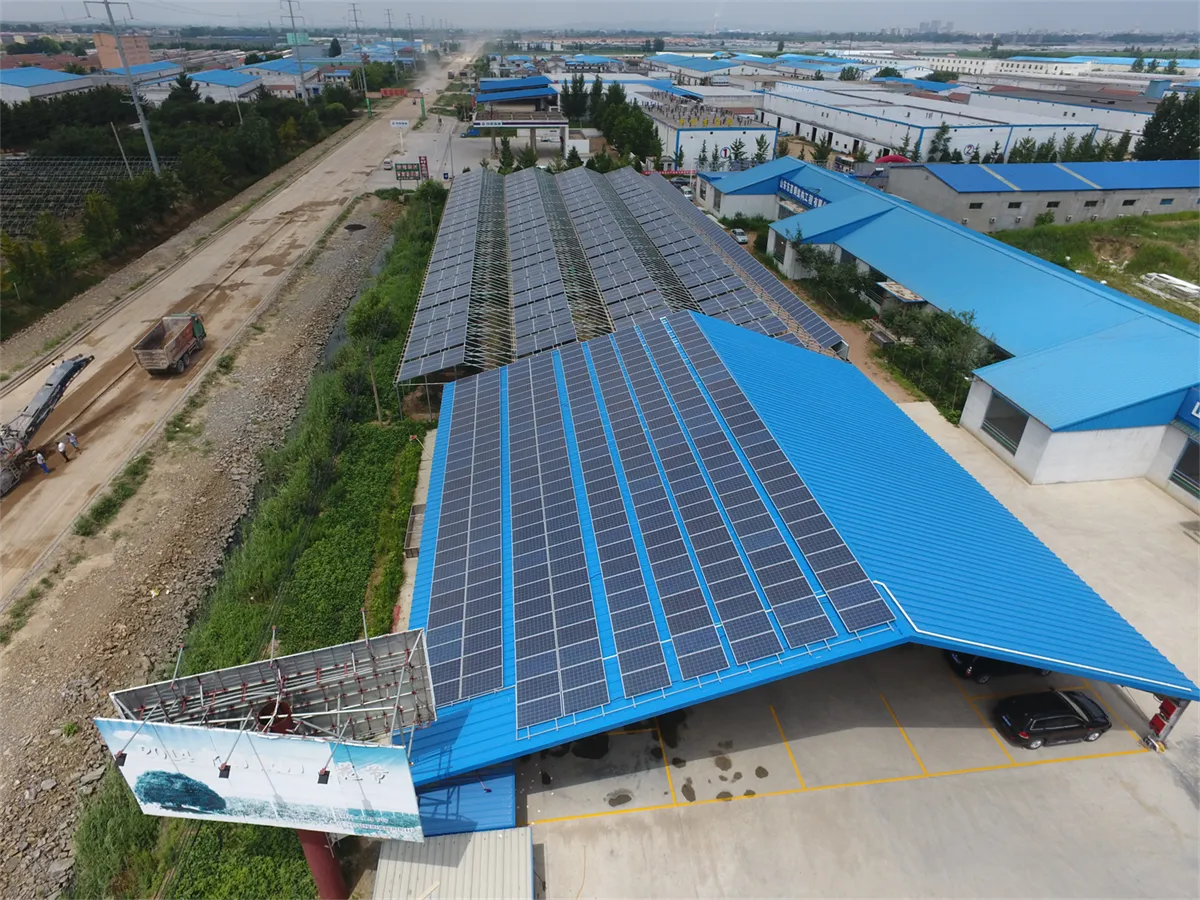
Top-tier designers now run CFD simulations to predict dust accumulation patterns that cause hot spots. They're spacing panels using latitude-adjusted formulas:
D = cosA × H/tan[sin⁻¹(sinϕ sinδ + cosϕ cosδ cosω)]
This prevents turbulent "dirt zones" while maintaining yield. For rooftops, fire-resistive barriers like 1mm stainless steel sheets separate arrays.
German engineering leads the charge with live monitoring:
London Fire Brigade's new protocols require:
Firefighters now train for "solar knockdown" procedures using infrared cameras to identify live DC conductors. Special non-conductive foam extinguishers rated for fluoropolymer fires have proven critical – water alone spreads burning electrolytes. Post-fire protocols include hazardous materials teams testing for hydrofluoric acid residue from melted backsheets.
Solar energy shouldn't be a gamble. By integrating UL 1699B-compliant arc detectors, adopting predictive maintenance tech, and demanding MCS-certified installations, we harness the sun safely. Remember - every percentage point reduction in hot-spot effect risks translates to thousands of homes powered without fear. When we respect the physics and mitigate the risks, clean energy's future shines brighter than ever.
Recommend Products












