


When that beautifully designed shower head or sleek vanity fixture lands in your bathroom, compliance paperwork is probably the last thing on your mind. But behind every sanitary ware product that meets safety standards lies a world of certifications that could make or break businesses.
The Hidden Dangers in Your Bathroom
Let's get real for a moment. We've all been tempted to grab that bargain-priced bath accessory - the trendy faucet at half the cost of big brands or that stunning vanity mirror with a too-good-to-be-true price tag. But here's the uncomfortable truth: when bathroom products skip certifications, they're not just breaking rules - they're gambling with people's safety.
The Material Minefield
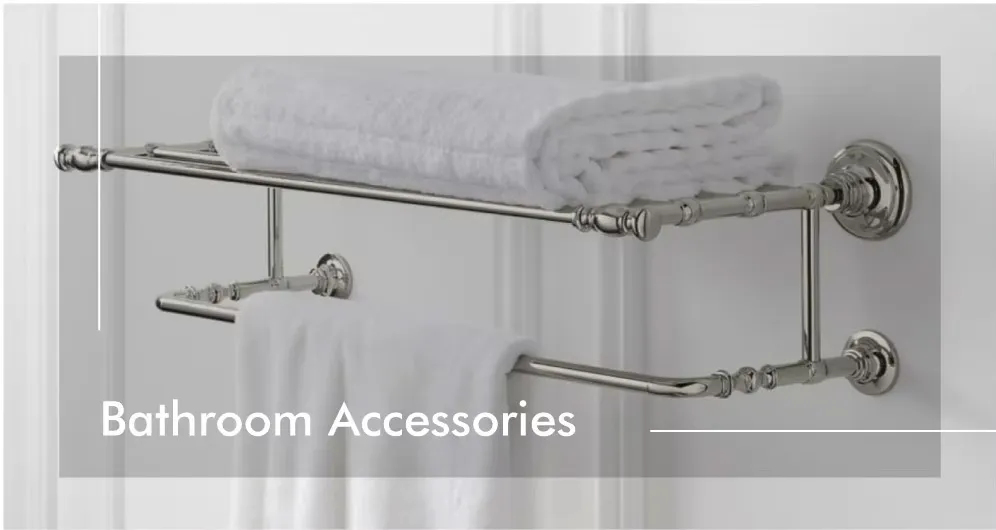
Picture this: that elegant brass towel rack you installed last week. Looks solid, right? Without proper material certifications, it could be leaching lead into your towels. Non-compliant materials in sanitary ware products represent one of the biggest hidden risks:
- Plastics releasing phthalates into humid environments
- Metal alloys corroding prematurely in steamy conditions
- Sealants off-gassing VOCs every time you run hot water
Consider the 2018 case where non-certified shower filters were found to leach cadmium – a toxic heavy metal – into shower water. Retailers faced $8M in recalls and lawsuits, proving that the bathroom is no place for certification shortcuts.
The Domino Effect of Non-Compliance
Shipment Showdowns at Customs
Customs authorities might not check every container, but when they target bathroom fixtures, the inspection hits hard. I've seen entire shipments rejected for three simple oversights:
- Missing CE marks on shower systems
- Incomplete water efficiency declarations
- Safety test reports filed incorrectly
One importer shared how his $120K shipment of designer faucets got held up for six weeks over improper labeling – the "minor" oversight cost him $55,000 in warehouse fees alone.
Forced Recalls: The Retailer's Nightmare
Unlike food recalls that make headlines, bathroom accessory recalls happen silently but devastate businesses. Market surveillance authorities operate like silent watchdogs:
- Mystery shoppers buying bathroom accessories online for testing
- Hotline reports from plumbers about non-compliant installations
- Years-later enforcement actions on products already installed
A UK retailer described recalling 15,000 shower heads three years after selling them due to late-discovered material non-compliance - an administrative nightmare involving tracing customers through dusty sales records.
Fines: The Icing on the Compliance Fail Cake
The EU has fined bathroom equipment suppliers up to €15,000 per violation for these surprisingly common slips:
- Water flow rates exceeding regulated limits
- Insufficient temperature control documentation
- Improper disposal instructions for electronic fixtures
What stings most? Many offenders actually had valid safety testing but failed at paperwork presentation – a €5,000 lesson in administrative precision.
When Products Become Personal Injury Lawsuits
The Scald Risk Reality
Improperly certified thermostatic mixer valves cause about 1,700 serious scald injuries annually in the US alone. When your non-compliant product harms someone:
- Product liability insurance often voids coverage
- Lawyers target every company in the supply chain
- Brand reputation damage becomes permanent
That lawsuit over a faulty shower valve isn't just about settlement costs - it's about waking up to news stories showing your brand next to images of a child's burn injuries.
After an improperly installed bathtub led to a fatal electrocution, manufacturers discovered the "minor modification" to bypass grounding requirements had happened at a supplier's facility overseas. The $23M settlement bankrupted the importer while demonstrating that safety isn't a modular component.
Marketplaces: The New Compliance Gatekeepers
Amazon's Unforgiving Algorithm
Gone are the days when e-commerce platforms turned blind eyes. Today, Amazon's bots demand specific documentation for bathroom categories:
- Children's Product Certificates for bath toys
- Water efficiency declarations for faucets
- Electrical safety compliance for lighted mirrors
One seller watched 18 months of sales history vanish overnight when Amazon suspended his top-selling shower caddies over missing test reports. "Rebuilding compliance cost me more than the initial testing would have," he admitted.
The Logistics Lockout
European regulations now hold freight forwarders responsible for compliance failures. This means:
- Shipping companies demanding documentation before loading containers
- Warehouses refusing non-compliant inventory
- Delivery networks rejecting bathroom accessories mid-transit
As one logistics manager put it: "We're not paid to be compliance experts, so if paperwork looks shaky, that shipment stays dockside."
The Uneven Playing Field
Here's the uncomfortable reality: some sellers get away with it. Cross-border e-commerce loopholes create compliance havens where bathroom products bypass checks. This creates:
- A race to the bottom on pricing
- Legitimate businesses pushed toward bankruptcy
- Consumer confusion about safety standards
But tides are turning. The EU's requirement for Authorised Representatives closes one major loophole. Amazon's increasing verification checks create digital barriers. International data-sharing initiatives allow faster identification of non-compliant sanitary ware.
A Path Forward Through the Compliance Maze
Compliance doesn't mean sacrificing innovation. Modern solutions help navigate the complexity:
Technology to the Rescue
Blockchain verification systems now track material origins from mine to finished product. AI-powered platforms automatically flag regulatory changes affecting bathroom accessories. QR codes on packaging provide instant compliance documentation access.
Designing Compliance In
Forward-thinking companies build compliance into design:
- Material selection from pre-certified sources
- Digital documentation databases for all components
- Built-in compliance checkpoints throughout development
As one innovative designer shared: "We treat safety standards like design constraints - they spark creativity rather than limit it. Our water-efficient faucet design actually emerged from California's Title 20 requirements."
Beyond the Paperwork: The Moral Dimension
Ultimately, bathroom product certification transcends paperwork – it represents a commitment to fundamental safety. The shower stall that holds your weight, the electrical fixture that doesn't fail in humidity, the child's bath toy that remains toxin-free – these define industry responsibility.
When choosing between certified and non-compliant bathroom accessories, consider the true cost calculation: initial savings versus potential human harm, legal exposure, and brand destruction. In spaces where water meets electricity and vulnerable bodies meet hard surfaces, compliance becomes civilization's insurance policy.










