
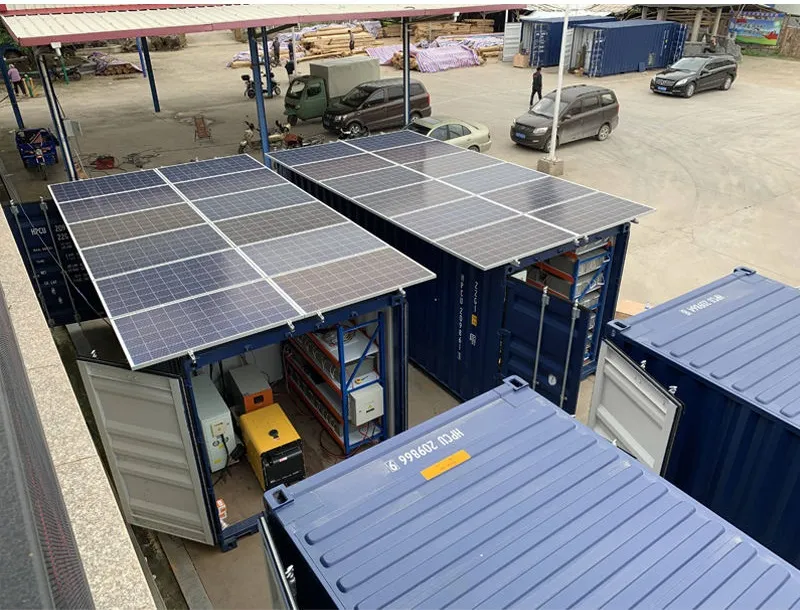
Picture India's solar energy landscape – it's bustling, it's ambitious, but there's a silent threat creeping through the cracks. Grey imports. These undocumented solar panels sneaking into projects outside the Approved List of Models and Manufacturers (ALMM) aren't just bypassing rules; they're planting seeds of risk that could grow into forest fires across our renewable energy future. Let's talk honestly about how this shadow market operates, why it matters for solar panel suppliers and developers alike, and what it means for India's clean energy dreams.
Quick reality check: Grey market modules aren't just cheaper alternatives – they're unpredictable time bombs. With no quality checks, no manufacturer accountability, and no connection to India's domestic solar ambitions, they compromise everything from project finances to grid stability. And the worst part? Many developers only realize the danger when projects start failing years down the line.
Remember when India suddenly paused the ALMM in 2022? We all held our breath. That two-year suspension wasn't bureaucratic indecision – it was the government acknowledging a painful truth: We simply couldn't meet our own solar dreams with homegrown manufacturing alone. Chinese imports flooded the market at prices our factories couldn't match. Yet here we are in 2024, with the ALMM firmly back. Why? Because things changed. Dramatically.
The ₹19,500 crore Production Linked Incentive (PLI) scheme has been a quiet game-changer. Factories started humming, jobs got created, and suddenly our domestic solar module capacity hit 74 GW – that's serious scale. But beyond capacity, ALMM enforces what matters most: quality . Each ALMM-certified panel comes with manufacturer accountability and performance guarantees that random imports can't match.
Think about Rajasthan's blistering heat or coastal Gujarat's salty air – generic panels buckle under these conditions. ALMM panels? They're engineered specifically for Indian realities. That's not protectionism; that's practical survival for solar assets promising 25-year lifespans.
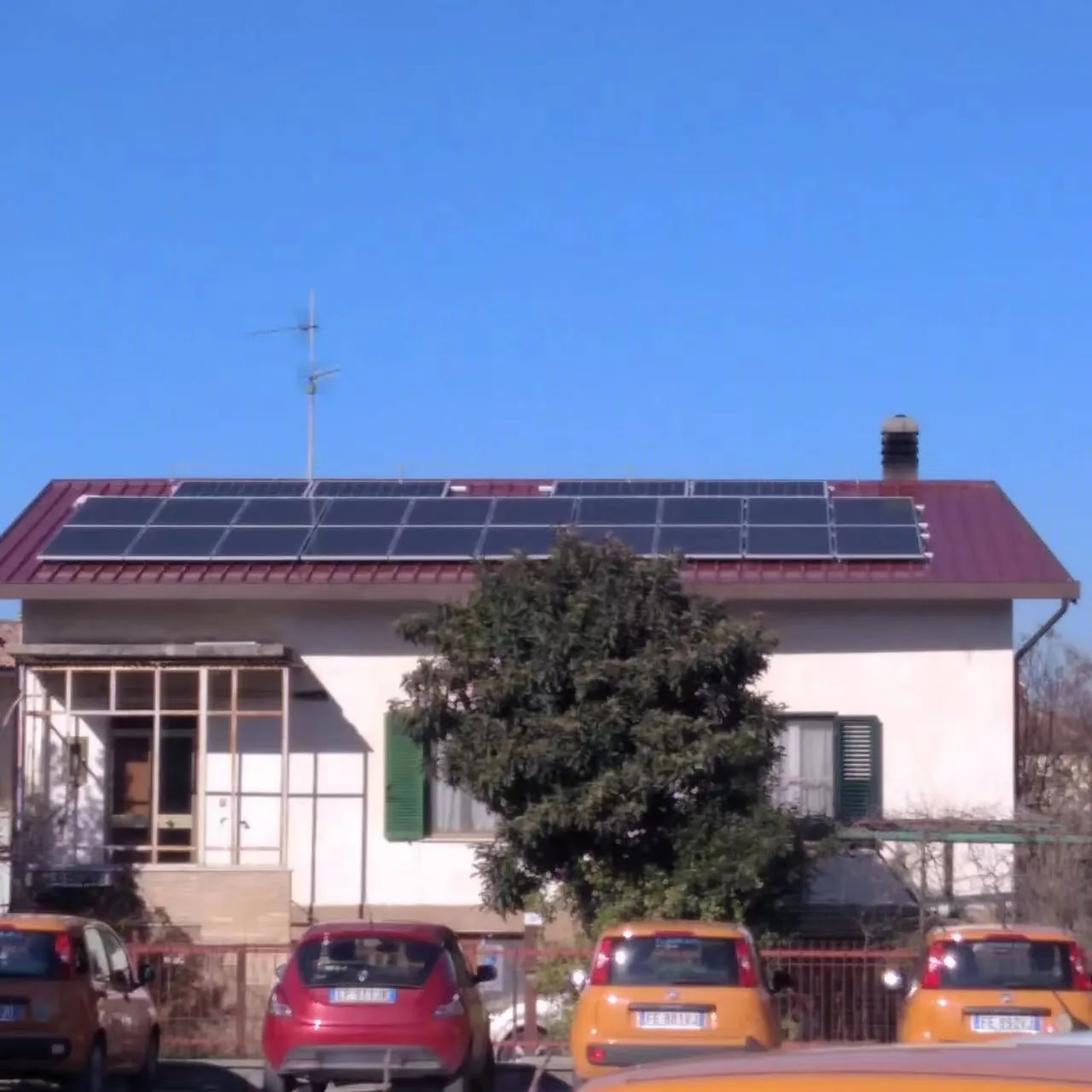
Grey market panels don't come labeled "substandard." They wear convincing disguises:
But the real danger isn't deception – it's physics. Consider these chilling stats:
| ALMM-Certified Panels | Grey Market Panels | |
|---|---|---|
| Degradation Rate (Year 1) | 0.5-1.5% | 3-8% |
| Failure Rate | < 0.05% | 2-7% |
| Temperature Tolerance | Designed for Indian climates | Generic specs, often overstated |
That higher degradation isn't just numbers – it's revenue bleeding out year after year. For a 100 MW plant, a 5% underperformance gap translates to ₹3.5 crore in lost electricity sales annually. That adds up to terrifying sums over decades.
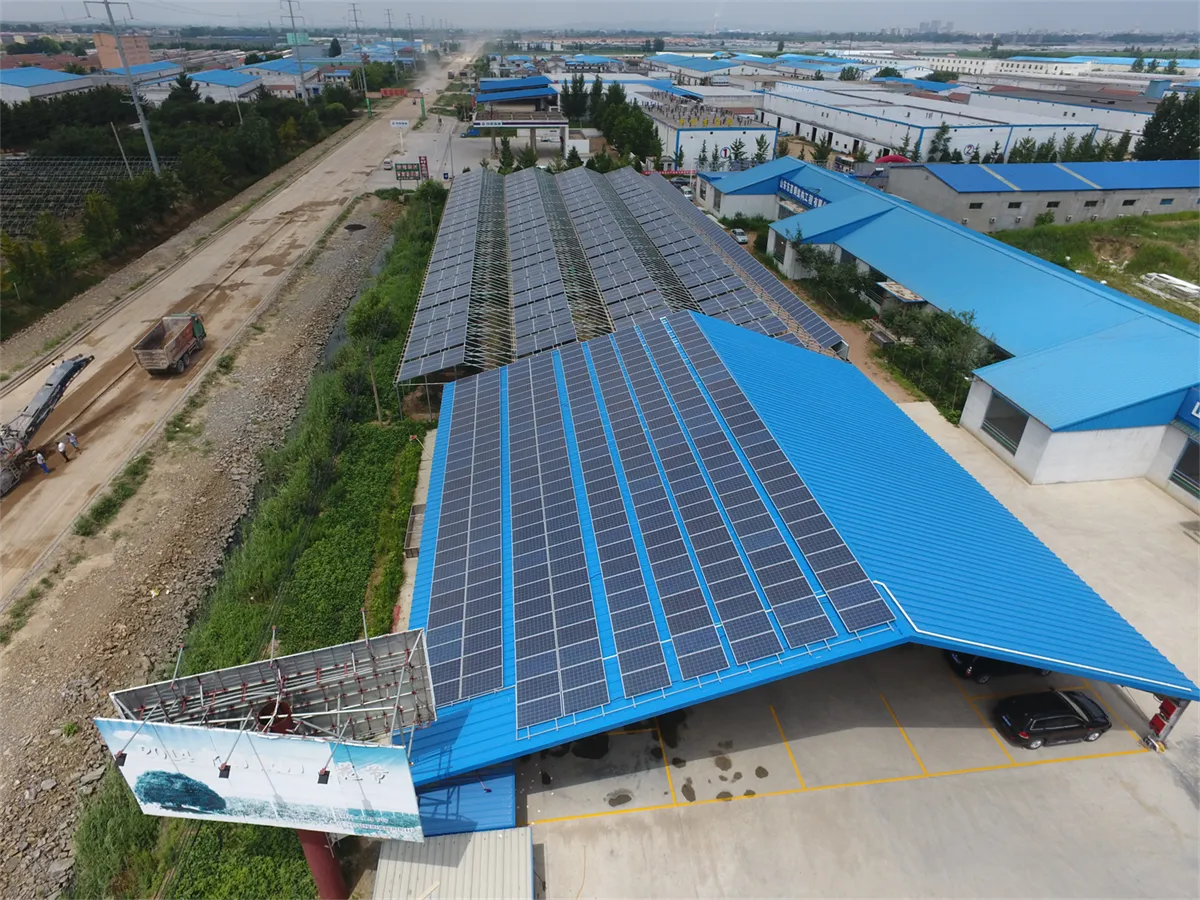
It's easy to condemn grey market buyers until you sit in their chair. Solar developers dance on razor-thin margins, facing:
Remember the 2024 Gujarat project delays? Developers waited 5 extra weeks for modules, hemorrhaging ₹8-9 lakh daily in overhead costs. In those desperate hours, the grey market whispers sound increasingly reasonable.
But here's the bitter reality: That 15% upfront "saving" evaporates fast when panels fail or underperform. It's like buying a cheap parachute – the savings don't matter if it fails at 10,000 feet.
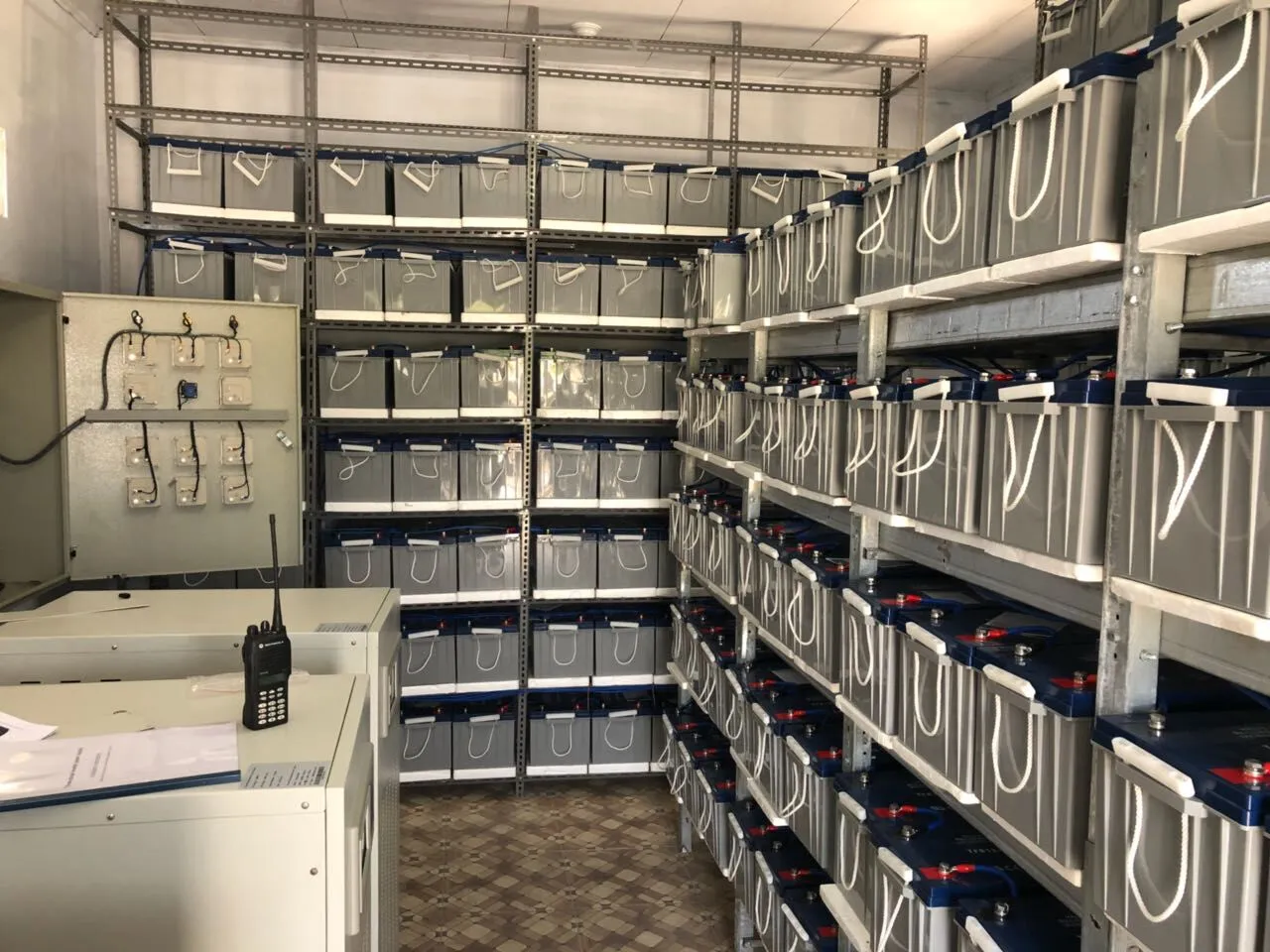
Grey panels create problems that cascade through entire projects:
⚠️ Real developer confession: "We used 'budget alternatives' on a Tamil Nadu site. Within 18 months, degradation varied wildly across arrays – strings went out of sync, inverters overloaded, monitoring systems showed garbage data. Fixing this engineering nightmare cost triple what we 'saved' on panels."
Then comes financing trouble. Lenders increasingly demand module traceability. As IDFC Bank recently stated, "Solar assets with non-ALMM panels won't get financed. Full stop." Even solar panel suppliers offering premium products suffer when grey imports drag down pricing.
Worst of all? Entire investment theses collapse. Projected 12% IRR shrivels to 8% when panel degradation accelerates. Pension funds and renewable infrastructure investors won't touch that math.
How do responsible developers avoid the grey trap without killing projects?
Smart procurement tactics:
Technology workarounds:
Blockchain-based module traceability systems now verify origin at every transit point. Some forward-thinking developers have started implementing these systems even before regulations demand it. Testing protocols are also advancing – advanced flash tests can spot rebranded panels through subtle efficiency signatures.
The MNRE's new ALMM portal speeds approvals, helping quality manufacturers enter the system faster. But industry groups rightly push for faster inclusion processes – when ALMM lists expand, grey markets shrink.
The ALMM isn't perfect – supply constraints remain real. But every grey panel installed today creates tomorrow's operational nightmare and reputation damage. With June 2026's ALMM List-II enforcement for solar cells approaching, integration across the value chain becomes critical.
India stands at an energy crossroads. Do we build our solar future on verified quality, or roll the dice with undocumented imports? The answer determines not just project returns, but whether we'll truly become a renewable energy powerhouse. One thing's clear: The companies thriving in 2030 won't be those that cut corners on panels, but those who built reliability into their solar DNA from day one.
For developers, the choice comes down to this: temporary convenience versus permanent value. For India, it's about energy security versus continued import vulnerability. The ALMM creates short-term pain for long-term sovereignty. And in that painful transition lies our energy independence – panel by verified panel.
Recommend Products












