
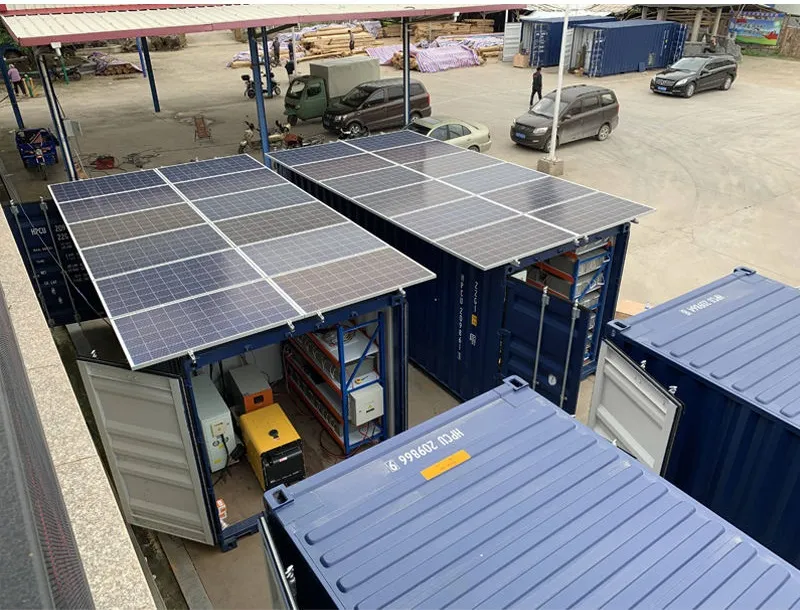
Funny how we're in one of the sunniest places on Earth but still get sticker shock from electricity bills? What if I told you that those same sun rays hitting your roof could actually slash your energy costs and even earn you credits? Through the Philippines' net metering program, that solar dream is becoming an achievable reality for middle-class families.
Picture this: you install panels on your roof, generate your own power, and when you make extra juice, you "sell" it back to the grid. Sounds simple enough, right? But the million-peso question (or should I say hundred-thousand peso question) is – when do you actually break even? As someone who's watched countless Filipino homeowners navigate this transition, I've seen the hesitation melt away when they grasp the real numbers.
Net metering works like a friendly barter system with your utility company. When your panels produce more electricity than your home needs, that excess energy flows back to the grid. Your meter literally runs backward, banking credits that offset future consumption.
Here's what most folks don't realize: the program isn't just about reducing bills. It rewrites your relationship with energy. Instead of being a passive consumer at the mercy of fluctuating rates, you become an active participant in the energy ecosystem. The Renewable Energy Act of 2008 created this framework, but implementation only gained real momentum after 2013.
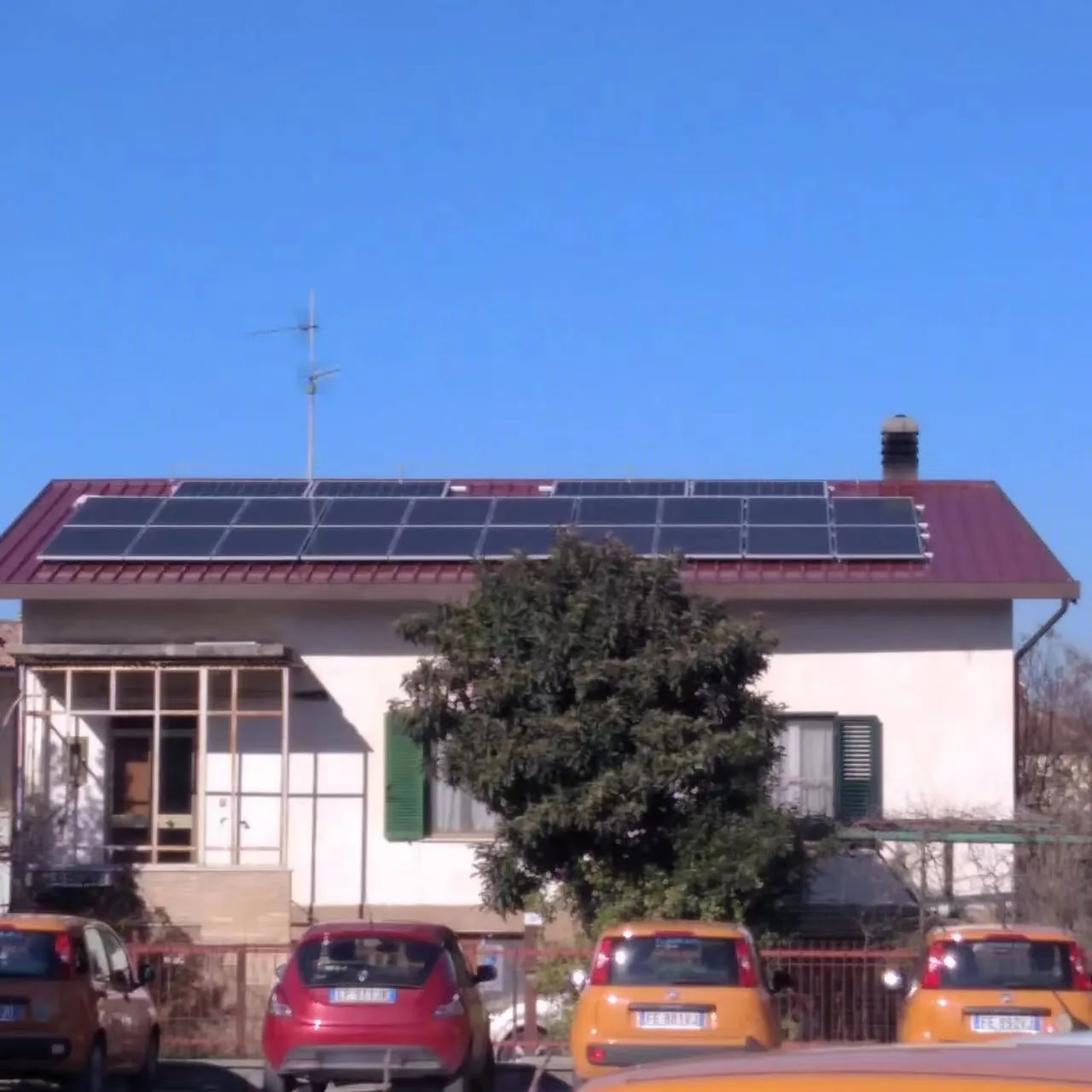
Typical residential system cost
Average bill reduction
Payback period in Luzon
Let's get real about numbers. For a typical Filipino household using 200kWh monthly:
System:
3kW rooftop installation
Investment:
₱180,000
Monthly savings:
₱2,800
Breakeven:
Year 6
What many overlook? After hitting breakeven, they're essentially getting free electricity for the system's remaining 15+ year lifespan. That's like locking in your power rate at 2013 prices!
The study from ScienceDirect reveals a fascinating psychological pattern: homeowners move through three distinct stages when adopting solar:
Interestingly, financial concerns peak during the consideration phase but often diminish once people see actual ROI projections. The biggest mental hurdles? That initial installation cost and uncertainty about maintenance – especially relevant in our typhoon-prone landscape.
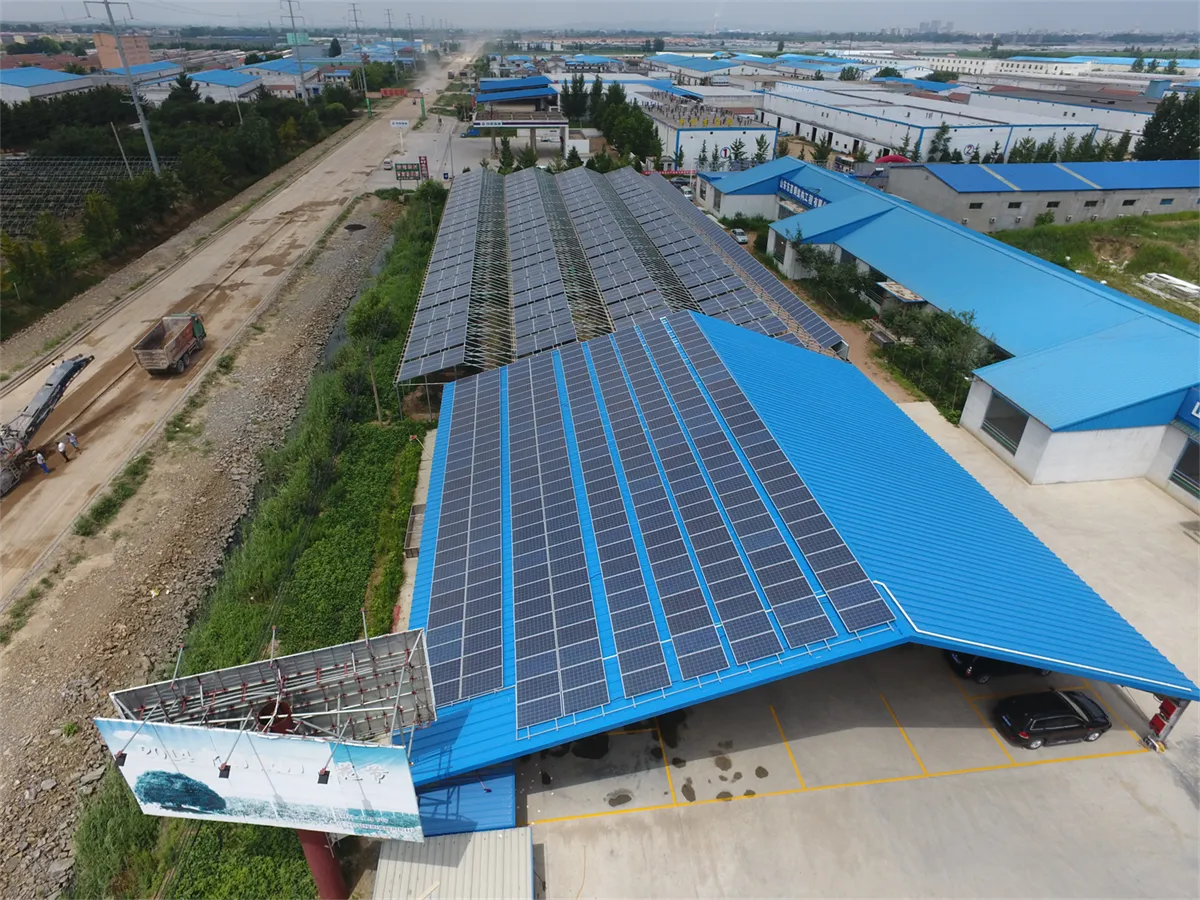
Remember Juan from Cavite? He nearly backed out because of "roof damage" fears. His installer solved this with non-penetrating mounts – zero holes in his roof. Smart engineering triumphs again!
For those worried about typhoon survival: modern panels withstand even Signal #3 winds when properly installed. Maintenance boils down to basic rainwater rinses – panels actually get more efficient during rainy season as dust washes away.
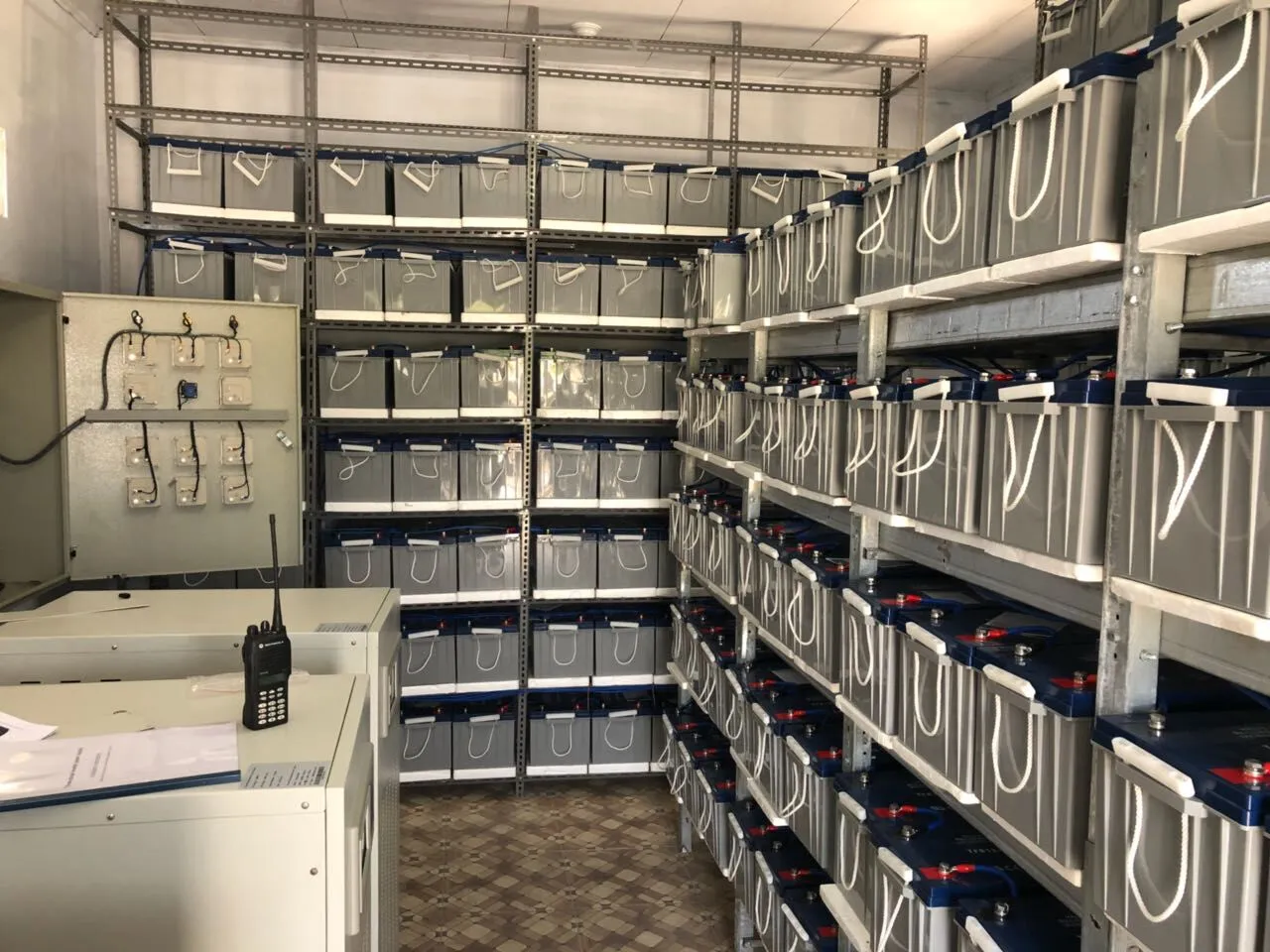
Good news: Recent updates doubled the size limit to 100kW – now even small businesses can participate. Distribution utilities are streamlining applications too – what took 3 months now often takes 6 weeks.
Industry insiders tell me future revisions might include:
Pro Tip: Watch for SEC-registered cooperatives offering installment plans. Solaric's 0% 24-month option makes systems cash-flow positive from day one for some households.
While we've crunched numbers, remember solar's triple bottom line:
The real beauty? Unlike typical investments, solar yields parallel benefits – economic AND environmental returns grow simultaneously.
The landscape shifts monthly. Battery prices dropped 30% since 2022 – soon, storing solar for night use will become economical. Imagine blackout-proofing your home while maximizing bill savings!
The Department of Energy's roadmap targets 15GW solar capacity by 2030. Your participation now accelerates this cleaner energy future while locking in your personal energy security.
For most Filipino homeowners, the switch to residential solar panels represents more than just environmental consciousness – it's a tangible financial strategy that pays literal dividends in both peso savings and energy resilience.
Final Wisdom: Don't let initial cost fears paralyze you. Like any major home improvement, calculate your unique payback period. For many families, solar turns out to be the rare upgrade that eventually pays for itself – and then keeps paying you back month after sunny month.
The sun isn't sending invoices. Once you've covered installation, every sunrise becomes free energy – a beautiful return on investment that keeps giving in perpetuity.
Recommend Products












