

Walk into a bustling shopping district on a weekend. The streets are lined with retail stores—each vying for a moment of your attention, a step through their doors, a purchase that turns a casual browser into a loyal customer. In a world where e-commerce giants dominate with convenience and endless options, physical retail stores are fighting a different battle: the battle for experience. Today's shoppers don't just buy products; they buy feelings, memories, and connections. And in that fight, every element of a store's design—from the lighting that softens the corners to the flooring that cushions each step—plays a role. But there's one element that often flies under the radar, yet holds the power to make or break first impressions: the walls.
Think about it. When you push open a store door, your eyes don't just dart to the (shelves) or mannequins. They take in the entire space—starting with the walls. Are they drab and peeling, making the store feel neglected? Or are they vibrant, textured, and thoughtfully designed, wrapping you in a brand's story? For retailers, walls are more than just structural boundaries; they're silent storytellers. They communicate brand identity, set the mood, and even influence how long you stay and what you buy. And in this critical role, one material has emerged as a game-changer: porcelain slab tiles. But not just any porcelain slabs—those provided by a dedicated porcelain slab tile for wall supplier, who understands that retail success hinges on turning walls into assets, not afterthoughts.
In this article, we'll explore how a porcelain slab tile for wall supplier isn't just a vendor of interior decoration materials, but a partner in crafting unforgettable customer experiences. We'll dive into why retail design matters now more than ever, the unique benefits of porcelain slab tiles in this context, and how suppliers go beyond selling materials to deliver solutions that transform stores from ordinary to extraordinary. Whether you're a retail manager reimagining your space, a designer seeking durable yet beautiful materials, or simply curious about the intersection of design and customer behavior, this is the story of how walls—yes, walls—are reshaping the future of retail.
Before we zoom in on porcelain slab tiles, let's step back and ask: Why does retail design even matter? In an era where you can order a new shirt or gadget with a tap on your phone, physical stores must offer something digital can't replicate: a sensory, emotional experience. Research backs this up. A study by the Design Management Institute found that companies with well-designed customer experiences outperform the S&P 500 by 219% over a decade. For retailers, this translates directly to foot traffic, dwell time, and sales. A store that feels welcoming, cohesive, and aligned with a brand's identity doesn't just attract customers—it retains them.
So, what makes up a "well-designed" retail space? It's a symphony of elements: lighting that flatters products without harshness, flooring that guides movement (think: warm wood tones drawing you toward the back of the store), fixtures that showcase merchandise like art, and yes, walls that tie it all together. Walls, in particular, are the "canvas" of retail design. They set the color palette, texture, and overall vibe. A luxury jewelry store might use marble walls to evoke elegance; a youth-focused apparel brand could opt for bold, graffiti-inspired murals. But here's the catch: not all wall materials can keep up with the demands of retail life.
Consider the realities of a busy store: constant foot traffic, accidental scrapes from shopping bags, spills from coffee cups or cosmetic testers, and the need to refresh displays seasonally. Traditional wall materials often fall short. Paint chips. Wallpaper peels. Wood panels warp. Stone veneer is heavy and expensive to replace. For retailers, this means endless maintenance costs, frequent renovations, and a space that never quite lives up to its potential. And when the walls look tired, the customer notices. A 2023 survey by Retail Dive found that 68% of shoppers admit to avoiding stores that feel "dated" or "unclean"—and walls are a top culprit.
This is where the role of interior decoration materials becomes pivotal. The right materials don't just look good; they work hard. They withstand the chaos of daily retail life, reduce upkeep headaches, and adapt to evolving brand needs. And among these materials, porcelain slab tiles have risen to the top—thanks in large part to the expertise of suppliers who understand retail's unique challenges.
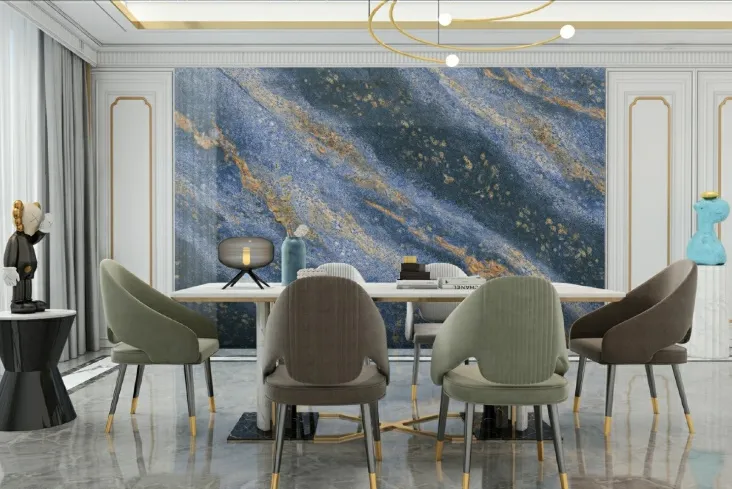
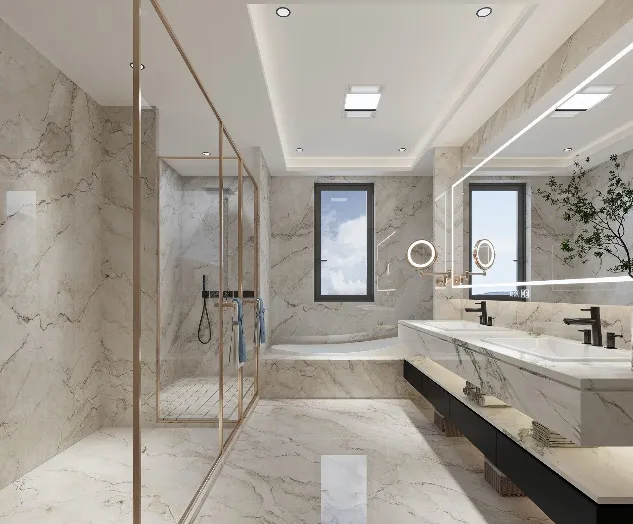
Let's start with the basics: What exactly are porcelain slab tiles? Unlike traditional ceramic tiles, which are smaller and often used for backsplashes or floors, porcelain slabs are large-format, ultra-durable panels made from refined clay and minerals fired at extremely high temperatures (up to 1,200°C). The result? A material that's dense, non-porous, and resistant to just about everything retail can throw at it. But what truly sets them apart is their versatility. Today's porcelain slab tile for wall supplier doesn't just offer "tiles"—they offer solutions: slabs that mimic the veining of Italian marble, the grain of reclaimed wood, the texture of rough-hewn stone, or even the sleekness of concrete. Some suppliers even offer custom printing, letting brands emblazon their logos, taglines, or seasonal themes directly onto the walls.
To understand their impact, let's put ourselves in a customer's shoes. Imagine walking into a boutique that sells artisanal skincare products. The walls are covered in soft, matte porcelain slabs in a warm beige tone, textured to look like sandstone. The lighting is soft, and the slabs' subtle texture diffuses the light, creating a calm, spa-like atmosphere. You immediately feel relaxed—less like you're shopping, more like you're stepping into a sanctuary. Compare that to a store with chipped paint and faded wallpaper: your guard goes up, you rush through the aisles, and you're unlikely to linger. The difference? The walls. And porcelain slabs are the secret to creating that first, lasting impression.
But it's not just about aesthetics. Porcelain slabs solve practical problems that have plagued retailers for decades. Let's break down their key benefits, and how a porcelain slab tile for wall supplier turns these benefits into tangible customer experience wins.
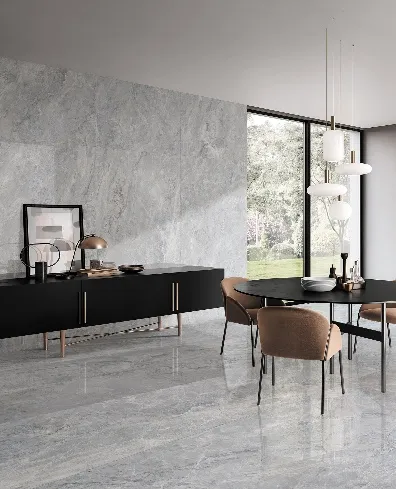
Retail is storytelling. Every store should reflect its brand's personality—whether that's luxury, playfulness, minimalism, or eco-friendliness. Porcelain slabs excel here because they're chameleons. A porcelain slab tile for wall supplier can create slabs in virtually any color, pattern, or texture, allowing retailers to align their walls with their brand identity.
Take a high-end fashion retailer aiming for a "timeless elegance" vibe. A supplier might recommend large-format porcelain slabs with a polished finish that mimics Calacatta marble—complete with delicate gray veining. The result? Walls that feel luxurious but are far more durable than real marble. For a streetwear brand targeting Gen Z, the same supplier could offer slabs printed with bold, abstract graphics or even collaborations with local artists, turning the store into a rotating art exhibit. And for a sustainable fashion brand, there are slabs made with recycled materials, textured to look like woven hemp or cork, reinforcing the brand's eco-conscious values.
The key here is customization. Unlike off-the-shelf wallpaper or paint, porcelain slabs can be tailored to a brand's exact vision. A good supplier doesn't just hand over a catalog; they listen to the retailer's story, then suggest materials that bring that story to life. It's not just about "covering walls"—it's about creating a backdrop that makes the brand memorable.
Retail stores are busy places. Shoppers brush against walls with heavy bags, kids run their hands along surfaces, employees move fixtures and displays daily. Traditional materials show wear and tear quickly: paint scuffs, wallpaper tears, wood dents. But porcelain slabs? They're built to withstand the chaos. Thanks to their high firing temperature, they're scratch-resistant (no more unsightly marks from errant shopping carts), stain-resistant (a spilled latte wipes away with a damp cloth), and moisture-resistant (perfect for stores in humid climates or those selling beauty products with frequent spills).
Consider a busy electronics store, where customers often lean against walls while testing devices, or a toy store where kids race around, bumping into corners. A porcelain slab tile for wall supplier would recommend slabs with a high abrasion resistance rating (often measured by the PEI scale) and a matte finish to hide fingerprints. The result? Walls that look fresh six months after opening, not six weeks. And for retailers, that means fewer renovation cycles, lower maintenance costs, and a consistently polished appearance that builds trust with customers.
Retail managers have enough on their plates—they don't need to add "repaint walls" or "replace wallpaper" to their to-do lists. Porcelain slabs are a low-maintenance dream. Unlike natural stone, which requires regular sealing to prevent staining, or wood, which needs polishing and refinishing, porcelain slabs need almost no upkeep. A quick wipe with soap and water is usually enough to keep them looking new. Even tough stains like marker or lipstick can be removed with a bit of rubbing alcohol—no harsh chemicals required.
One retailer we spoke to, who runs a chain of pet supply stores, shared a story: After switching to porcelain slabs, they eliminated their monthly "wall maintenance" budget entirely. Previously, they'd spent $500 per store each month repainting scuffed areas and replacing chewed wallpaper (yes, even pets interact with walls!). Now, a quick wipe-down after closing is all it takes. "We used to have a staff member dedicated to fixing walls," they said. "Now that person can focus on helping customers. It's a game-changer for our team—and our bottom line."
Many retail stores—especially in urban areas—struggle with limited square footage. Small spaces can feel cramped, making customers uncomfortable and less likely to explore. Porcelain slabs solve this with their large format. Most suppliers offer slabs in sizes up to 120x240cm (about 4x8 feet), and some even larger. Fewer grout lines mean a seamless, uninterrupted surface that visually expands the space. It's a simple optical illusion, but it works: a store with floor-to-ceiling porcelain slabs feels more open, airy, and inviting than one with small, tiled walls.
Take a narrow boutique in a city center. By covering the walls with large, light-colored porcelain slabs (mimicking white oak, for example), the space feels wider and more welcoming. Customers are more likely to wander to the back of the store, where higher-margin items are displayed. A porcelain slab tile for wall supplier would also suggest matching the wall slabs with large-format porcelain flooring (from a flooring supplier, perhaps), creating a continuous flow that further enhances the sense of space. The result? A store that feels twice as big as it actually is—and customers who stay longer because they don't feel cramped.
Today's shoppers are more conscious than ever about safety and sustainability. They want to know that the stores they support prioritize both. Porcelain slabs check both boxes. First, safety: Most porcelain slabs are fire-resistant (often Class A rated), making them ideal for busy retail spaces where fire codes are strict. They're also non-toxic, with low VOC emissions, ensuring good indoor air quality—a must for stores where customers spend extended time.
Then there's sustainability. Many leading porcelain slab tile for wall suppliers now use recycled materials in their production (up to 40% in some cases) and energy-efficient kilns that reduce carbon footprints. Some even offer slabs made from post-consumer waste, like crushed glass or ceramic scrap. For retailers aiming to build a "green" brand identity, these details matter. Imagine a coffee shop that advertises its eco-friendly practices—then backs it up with walls made from recycled porcelain slabs. It's a tangible demonstration of values, not just empty marketing.
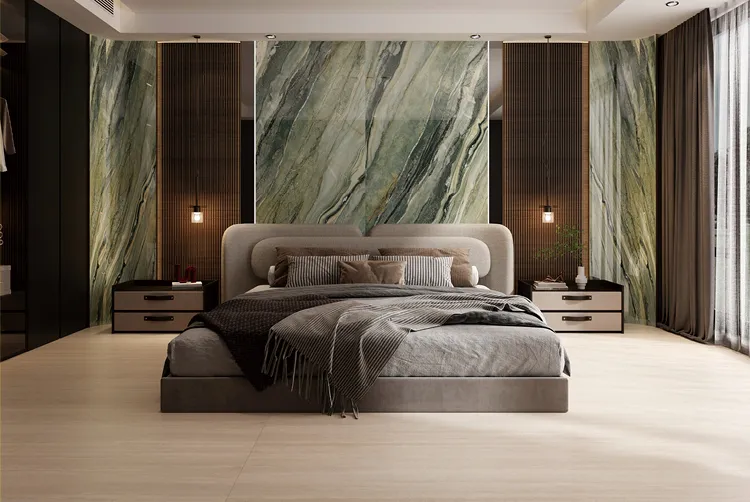
At this point, you might be thinking, "Porcelain slabs sound great—but aren't they expensive?" It's true: upfront costs can be higher than paint or wallpaper. But here's the thing: a good porcelain slab tile for wall supplier doesn't just sell materials—they sell value. They help retailers see the long-term ROI: lower maintenance costs, fewer replacements, higher customer retention, and increased sales. In short, they act as partners, not just vendors.
So, what does this partnership look like? Let's break it down:
A great supplier begins by asking questions: What's your brand's personality? Who is your target customer? What are your biggest pain points with current walls? How do you want customers to feel when they walk in? For example, a supplier working with a budget clothing store might prioritize cost-effectiveness and durability, recommending standard-sized slabs in neutral tones. For a high-end furniture store, they'd focus on custom textures and large formats to match the luxury of the products.
One supplier we interviewed shared a story about a client—a chain of bookstores—who wanted walls that felt "cozy and intellectual" but could withstand frequent rearranging of heavy bookshelves. The supplier suggested wood-look porcelain slabs with a soft matte finish (to avoid glare under store lights) and reinforced edges to prevent chipping during shelf moves. The result? Walls that looked like warm oak but stood up to the daily grind of bookstore life.
Not all retail spaces are created equal. Some have curved walls, others have unusual dimensions, and many require compliance with local building codes (e.g., fire ratings for malls or hospitals). A porcelain slab tile for wall supplier doesn't offer a one-size-fits-all product; they provide custom solutions. This might mean cutting slabs to fit curved surfaces, adding beveled edges for safety in high-traffic areas, or creating thin, lightweight slabs (as thin as 3mm) for easy installation on existing walls without adding structural weight.
For example, a historic retail building with uneven walls might need slabs that can be installed with minimal preparation. A supplier could recommend a flexible adhesive system and slabs with a slight tolerance for irregular surfaces. Or a store in a seismic zone might need slabs with a reinforced backing to prevent cracking during tremors. These are the kinds of details that turn a good material into a great solution—and they're only possible when suppliers take the time to understand the unique challenges of each space.
Even the best materials fail if installed poorly. A reputable porcelain slab tile for wall supplier offers technical support to ensure slabs are installed correctly. This might include sending experts to assess the site, providing detailed installation guides, or even training the retailer's contractors on best practices (e.g., how to cut large slabs without chipping, or how to seal edges for moisture resistance). For complex projects, some suppliers even offer turnkey installation services, handling everything from material delivery to final cleanup.
A furniture retailer in Texas once shared how their supplier saved the day: During installation, the contractors realized the slabs were slightly larger than the wall measurements. Instead of forcing a bad fit, the supplier sent a technician to the site within 24 hours, who adjusted the cutting plan and supervised the installation to ensure a perfect seam. "That kind of support turns a stressful renovation into a smooth process," the retailer said. "We didn't just buy slabs—we bought peace of mind."
The relationship doesn't end when the last slab is installed. A good supplier offers after-sales support, including warranties (often 10+ years for material defects), maintenance tips, and even replacement slabs if needed (e.g., if a slab is damaged during a store remodel). Some suppliers also provide regular check-ins, sending representatives to inspect walls and suggest cleaning or touch-up techniques to keep them looking their best.
For a national retail chain with 50+ stores, this ongoing support is invaluable. Instead of managing wall maintenance across locations independently, they can rely on a single supplier for consistent guidance and materials. It streamlines operations, reduces costs, and ensures a uniform brand experience across all stores—something customers notice and appreciate.
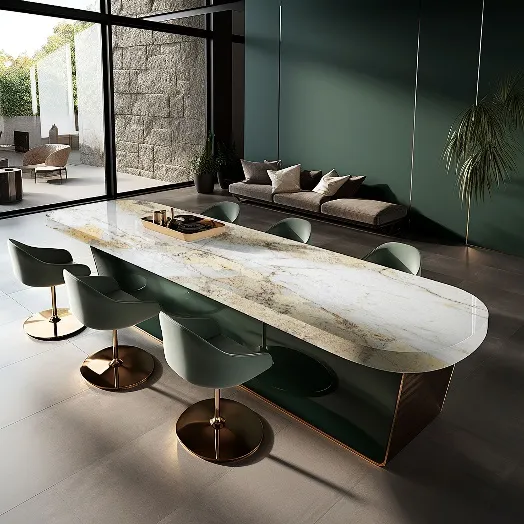
To put all this into perspective, let's look at a real-world example. In 2022, a mid-sized apparel chain in the Midwest, let's call them "Urban Threads," was struggling. Sales were flat, foot traffic was declining, and customer feedback consistently mentioned the stores felt "tired" and "uninspired." Their walls were painted a generic gray, with frequent scuffs and stains that made the space look unkempt. Management knew they needed a change, but with a tight budget, a full renovation seemed impossible.
That's when they partnered with a local porcelain slab tile for wall supplier. After a consultation, the supplier recommended a bold move: replacing the painted walls with large-format porcelain slabs in a warm cream color, textured to look like linen (to align with the brand's focus on casual, comfortable clothing). The slabs were custom-cut to fit the stores' unique layouts, and the supplier offered a bulk discount for the 12-store chain, bringing the cost within budget. They also provided installation support, training the chain's existing contractors to handle the slabs, which reduced labor costs.
The results were dramatic. Within three months of the renovation:
"We didn't just update our walls—we updated our brand," said Urban Threads' CEO. "The supplier didn't just sell us slabs; they helped us reimagine what our stores could be. It was the best investment we've made in years."
Still on the fence about whether porcelain slabs are right for your store? Let's compare them to other common wall materials, so you can see the difference firsthand.
| Material Type | Aesthetics | Durability | Maintenance | Cost (Initial + 5-Year Upkeep) | Best For |
|---|---|---|---|---|---|
| Porcelain Slab Tiles | Highly versatile—mimics marble, wood, stone, or custom designs. Large format for seamless look. | Excellent: Scratch, stain, moisture, and fire-resistant. Lasts 10+ years with minimal wear. | Low: Wipe with soap and water. No sealing or refinishing needed. | High initial ($15–$30/sq ft), low upkeep ($50–$100 total/5 years). Total: ~$15.50–$30.20/sq ft over 5 years. | High-traffic stores, luxury brands, stores wanting long-term ROI, eco-conscious retailers. |
| Traditional Paint | Basic color options; limited texture. Fades over time. | Poor: Scuffs easily, stains soak in, chips with impact. | High: Repaint every 1–2 years; touch-ups monthly. ~$300–$500/year/store. | Low initial ($2–$5/sq ft), high upkeep ($300–$500/year). Total: ~$8–$15/sq ft over 5 years (higher for frequent repaints). | Temporary pop-up stores, extreme budget constraints, stores with constant theme changes. |
| Wallpaper | Wide pattern options, but limited durability. Prone to peeling at seams. | Fair: Tears easily, moisture causes bubbling, stains are hard to remove. | High: replace every 2–3 years; spot repairs rarely match. ~$400–$600/year/store. | Medium initial ($4–$8/sq ft), high upkeep ($400–$600/year). Total: ~$12–$20/sq ft over 5 years. | Boutiques with short-term design themes, low-traffic stores (e.g., luxury jewelry). |
| Wood Paneling | Warm, natural look; limited color options. Scratches and dents show easily. | Fair: Warps with moisture, scratches, stains, requires refinishing every 3–4 years. | High: Dusting weekly, polishing annually, refinishing every 3–4 years. ~$800–$1,200/year/store. | High initial ($10–$20/sq ft), high upkeep ($800–$1,200/year). Total: ~$26–$44/sq ft over 5 years. | Rustic-themed stores, low-traffic environments, brands prioritizing traditional aesthetics over durability. |
| Stone Veneer | High-end, natural look; heavy and expensive. Limited customization. | Good: Durable but heavy; prone to cracking if not installed properly. Requires sealing annually. | Medium: Seal yearly, clean with stone-safe products. ~$500–$700/year/store. | Very high initial ($25–$40/sq ft), medium upkeep ($500–$700/year). Total: ~$35–$54/sq ft over 5 years. | Luxury stores with unlimited budgets, static designs (no frequent remodels). |
As the table shows, while porcelain slabs have a higher upfront cost, their low maintenance and long lifespan make them the most cost-effective option over time—especially for high-traffic retail stores. And when you factor in the intangible benefits (better customer experience, stronger brand identity), they become an investment, not an expense.
The retail landscape is always evolving, and so are the materials that shape it. Porcelain slab tile for wall suppliers are constantly innovating, pushing the boundaries of what's possible. Here are a few trends to watch:
Advancements in digital printing technology mean suppliers can now print high-resolution images directly onto porcelain slabs. Imagine a sports apparel store with walls that feature action shots of athletes in motion, or a seasonal pop-up store with slabs printed to look like falling leaves in autumn or snowflakes in winter. Some suppliers are even experimenting with augmented reality (AR) integration: customers scan a slab with their phones to unlock product videos or exclusive discounts. It's walls that don't just look good—they engage.
New manufacturing techniques are producing thinner, lighter porcelain slabs (as thin as 2mm) that are easier to handle and install, even on curved or overhead surfaces. This opens up new design possibilities: ceiling panels that match walls, curved feature walls that add dimension, or even portable slabs that can be swapped out for seasonal themes. For retailers with limited installation time (e.g., mall stores that can only renovate overnight), this is a game-changer.
As consumers demand more eco-friendly brands, suppliers are doubling down on sustainability. Look for slabs made from 100% recycled materials, kilns powered by renewable energy, and even "circular" programs where old slabs are recycled into new ones. Some suppliers are also certifying their products with green labels like LEED or GREENGUARD, making it easier for retailers to earn sustainability credits for their stores.
While still in the early stages, some suppliers are exploring "smart" porcelain slabs—integrating features like touch sensors (for interactive displays), heating elements (to keep stores warm in winter), or antimicrobial coatings (ideal for stores selling beauty or food products). Imagine a cosmetics store where customers test products on a slab that automatically cleans itself between uses, or a bookstore with walls that double as digital shelves, displaying book reviews when touched.
In the end, retail is about connection. It's about making customers feel seen, valued, and inspired. And in that quest, every detail matters—especially the walls. They're the first thing customers notice, the backdrop to every interaction, and the silent ambassadors of your brand. A porcelain slab tile for wall supplier understands this. They don't just provide materials; they provide the tools to create experiences that stick.
So, to all the retailers out there: Don't overlook your walls. They're not just empty space—they're opportunity. And with the right partner, they can be the difference between a customer who walks in and walks out, and one who walks in, lingers, buys, and comes back. After all, in retail, the best experiences aren't just sold—they're felt. And sometimes, that feeling starts with a wall.
Recommend Products











