

In today's fast-paced world, where online shopping dominates headlines and e-commerce giants seem to capture every dollar, brick-and-mortar retail stores face a unique challenge: how to turn passersby into customers, and customers into loyal patrons. The answer, increasingly, lies in creating experiences —spaces that don't just sell products, but tell a story, evoke emotion, and make people want to linger. And at the heart of that experience? Design. Specifically, the walls that shape the store's identity, guide customer flow, and set the mood from the moment someone steps through the door.
For retailers, walls are more than just structural elements; they're a canvas. A well-designed wall can communicate a brand's personality—whether it's cozy and welcoming, sleek and modern, or bold and adventurous. It can highlight products, create focal points, and even influence how customers perceive value. But with so many materials and styles to choose from, finding the right wall solution can feel overwhelming. Enter PU stone wall panel solutions—a versatile, cost-effective, and aesthetically striking option that's quickly becoming a favorite among retail designers and store owners alike. In this article, we'll explore how PU stone wall panels are transforming retail spaces, why they're a smart investment, and how pairing them with complementary flooring and lighting solutions can turn your store into a customer magnet.
Before diving into the specifics of PU stone wall panels, let's take a moment to appreciate just how critical walls are in retail design. Think about the last time you walked into a memorable store. Chances are, the walls played a big part in that memory. Maybe it was a boutique with warm, textured walls that made you feel like you were stepping into a friend's stylish living room. Or a tech store with sleek, minimalist walls that screamed innovation and cutting-edge design. Walls don't just fill space—they frame the shopping experience.
Retail psychologists have long studied how physical environments affect consumer behavior. Research shows that elements like color, texture, and lighting can influence everything from how long customers stay in a store to how much they're willing to spend. Walls, being one of the largest visual surfaces in any space, are a primary tool for shaping these perceptions. A cluttered, drab wall might make customers feel anxious or hurried, while a thoughtfully designed wall with the right texture and color can create a sense of calm, curiosity, or excitement—all of which encourage browsing and, ultimately, purchasing.
But walls in retail also have practical jobs. They need to withstand heavy foot traffic, resist scuffs and stains, and possibly even hide wiring or storage. Traditional materials like drywall, paint, or real stone often fall short here: drywall is easily damaged, paint fades, and real stone is heavy, expensive, and hard to install. That's where PU stone wall panel solutions come in—offering the best of both worlds: beauty and brawn.
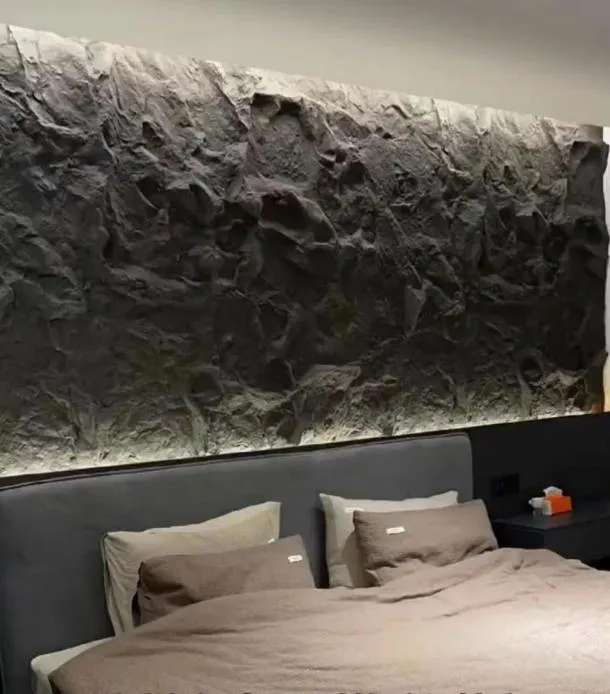
PU stone wall panels—short for polyurethane stone wall panels—are a modern building material designed to mimic the look and texture of natural stone, brick, or wood, but with none of the drawbacks. Made from high-density polyurethane foam, these panels are engineered to be lightweight, durable, and incredibly versatile. They're created using molds taken from real stone or other natural materials, so the texture and detail are remarkably authentic—you'd be hard-pressed to tell the difference between a PU stone panel and the real thing, even up close.
But what really sets PU stone wall panels apart is their practicality. Unlike natural stone, which can weigh upwards of 50kg per square meter, PU panels tip the scales at just 3-5kg per square meter. That means they can be installed on almost any wall surface—even drywall or plaster—without the need for additional structural support. For retailers, this translates to faster installation times, lower labor costs, and fewer disruptions to business operations. Imagine being able to revamp your store's interior over a long weekend instead of closing for weeks while heavy stone is hauled in and mounted—now that's a game-changer.
Durability is another key advantage. PU stone panels are resistant to moisture, mold, and mildew, making them ideal for stores in humid climates or areas prone to spills (looking at you, coffee shops and clothing boutiques with!). They're also scratch-resistant and easy to clean—just a quick wipe with a damp cloth is usually all it takes to remove dirt or stains. And unlike wood panels, they won't warp, crack, or fade in sunlight, ensuring your store's walls look fresh and vibrant for years to come.
One of the biggest draws of PU stone wall panel solutions is their design flexibility. Whether your brand is all about cozy, cabin-like warmth or sleek, futuristic minimalism, there's a PU panel to match. Suppliers offer a wide range of styles, from rough-hewn "cottage stone" that looks like it was plucked from a countryside villa, to smooth, contemporary "stacked stone" that pairs perfectly with modern furniture. Colors range from earthy neutrals like beige, gray, and brown to bold hues like charcoal or even whitewashed tones for a coastal vibe.
But it's not just about looks—PU panels can also be customized to fit unique spaces. Need a curved wall for a round dressing room? PU panels can be bent to follow the curve. Want a feature wall with mixed textures? Panels can be cut and arranged in patterns to create visual interest. This level of adaptability makes them ideal for retail stores, where every inch of space is precious and brand consistency is key.
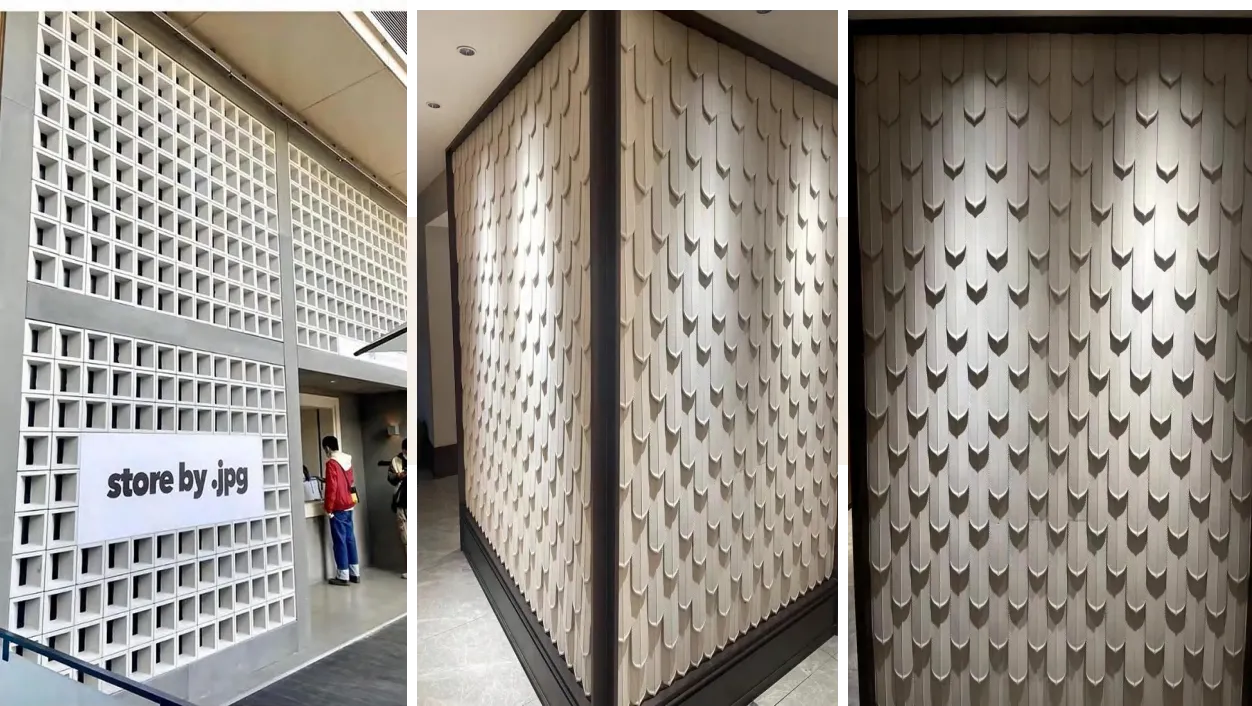
Now that we understand what PU stone wall panels are and why they're practical, let's explore how they can be used to create different retail aesthetics. The right wall design should align with your brand's identity—after all, your store is an extension of your brand, and every element should work together to tell your story.
For brands that embrace "less is more," PU stone wall panels offer a way to add texture without clutter. Think smooth, stacked stone panels in neutral tones like white, light gray, or beige. These panels have a sleek, uniform look that pairs beautifully with minimalist furniture, matte black fixtures, and large windows. A modern clothing store, for example, might use whitewashed PU stone panels on a feature wall behind a mannequin display, creating a soft, elevated backdrop that lets the clothing take center stage. The subtle texture of the panels adds depth without overwhelming the space, making the store feel open and airy—perfect for encouraging customers to browse at their leisure.
If your brand leans into coziness, nostalgia, or artisanal craftsmanship—think a boutique selling handmade jewelry, organic skincare, or vintage-inspired home goods—rustic PU stone panels are the way to go. Look for panels with irregular edges, rough textures, and warm colors like terracotta, sand, or chestnut. These panels mimic the look of old-world stone or weathered brick, evoking a sense of history and comfort. Imagine a small café-boutique where the walls are clad in warm, honey-colored PU stone panels, paired with wooden shelves, soft string lights, and plush armchairs. The effect is inviting and intimate, making customers want to grab a latte, sit down, and explore your products at their own pace.
For brands that thrive on edginess and innovation—tech stores, streetwear boutiques, or urban lifestyle brands—industrial-style PU stone panels can make a powerful statement. Opt for panels in dark grays, blacks, or even distressed metal finishes (yes, some PU panels mimic metal too!). These panels have a raw, unfinished look that pairs well with exposed ceilings, concrete floors, and metal fixtures. A sneaker store, for instance, might use black PU stone panels on the walls, accented with neon lights and graffiti-inspired art. The bold texture of the panels adds energy to the space, reflecting the brand's dynamic, forward-thinking vibe and appealing to a younger, trend-conscious demographic.
Luxury retail is all about exclusivity and refinement, and PU stone wall panels can help create that "high-end" feel without the high-end price tag. Look for panels that mimic marble, travertine, or other premium natural stones—with smooth surfaces, subtle veining, and neutral tones like cream, ivory, or soft gray. These panels exude timeless elegance, especially when paired with polished flooring, crystal lighting, and plush textiles. A luxury watch store, for example, might use cream-colored PU marble panels in its display area, creating a sophisticated backdrop that makes the watches feel even more precious. The panels' sleek texture and light color also help reflect light, making the space feel bright and airy—important for showcasing intricate details in luxury products.
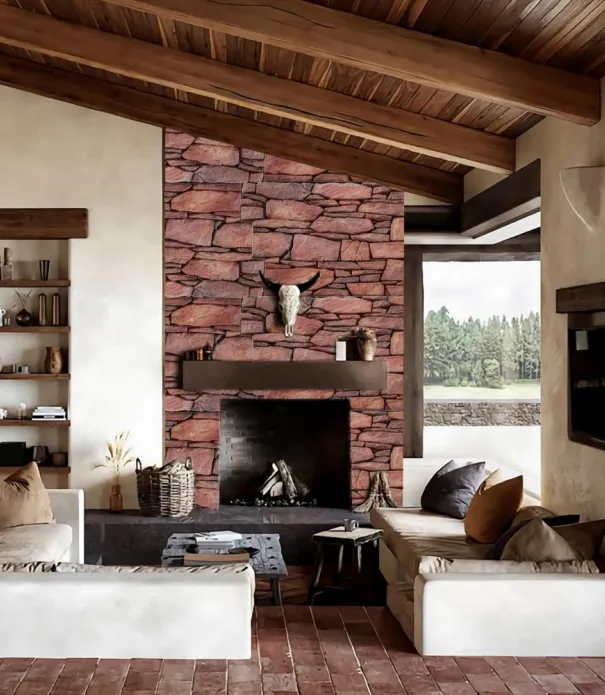
No wall design exists in a vacuum—for a truly cohesive retail space, you need to consider how your PU stone walls will work with other elements, especially flooring and lighting. These two elements can either enhance the beauty of your walls or detract from them, so getting the pairing right is crucial.
The floor is the first thing customers notice when they walk into a store (after all, they're standing on it!), so it needs to complement your PU stone walls. The goal is to create a flow that guides customers through the space while keeping the focus on your products. Here are a few flooring options that pair particularly well with PU stone panels:
When choosing flooring, it's also important to consider practicality. Retail floors take a beating—from scuffs and spills to heavy foot traffic—so durability should be a top priority. Working with a reputable flooring supplier can help you find solutions that balance style and substance, ensuring your floors look great for years to come.
Lighting is the secret ingredient that can take your PU stone walls from "nice" to "stunning." The right lighting will accentuate the panels' texture, create depth, and set the mood for your store. Here are a few lighting techniques to consider:
Many retailers are now turning to customized decorative lighting suppliers to create unique lighting plans that align with their brand. These suppliers can design fixtures that complement your PU stone walls—whether it's a custom chandelier, geometric pendant lights, or sleek track lighting—ensuring every element works together to create a cohesive experience.
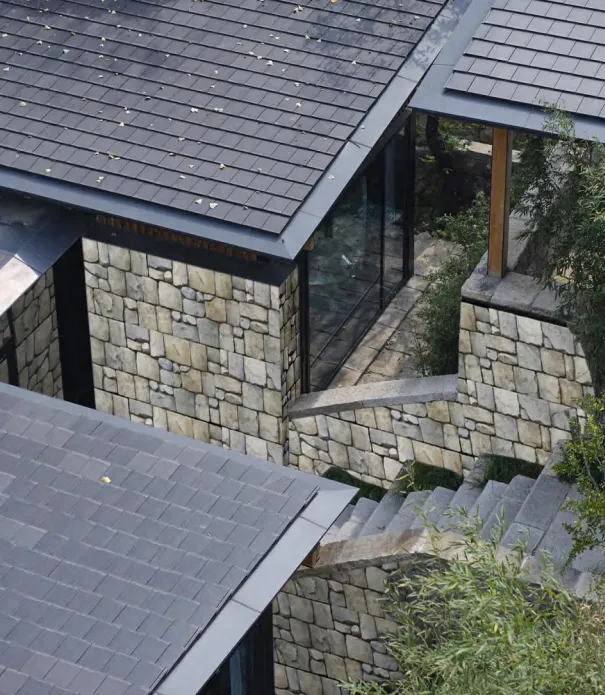
To better understand the impact of PU stone wall panel solutions, let's look at three real-world examples of retail stores that used them to their customer appeal.
The Rustic Nook is a small clothing boutique in a suburban mall, specializing in bohemian-inspired apparel and accessories. Before renovating, the store had plain white drywall walls and generic carpet flooring—nothing that made it stand out from the other shops in the mall. Foot traffic was steady but sales were stagnant, with customers often browsing for a few minutes before leaving.
The owner decided to revamp the space with a focus on creating a "cozy cabin" vibe. They chose warm, honey-colored PU stone wall panels for the main feature wall (behind the cash register) and accented it with reclaimed wood shelves and soft string lights. For flooring, they opted for wood-look vinyl planks in a medium oak tone, which complemented the stone walls perfectly. To enhance the texture of the panels, they installed small, adjustable spotlights above the shelves, highlighting the store's handmade jewelry and knitwear.
The results were dramatic. Within three months of the renovation, foot traffic increased by 35%, and average time spent in the store went from 5 minutes to 12 minutes. Customers commented that the space felt "inviting" and "unique," and many mentioned the walls as a reason they decided to stop in. Sales of higher-priced items (like leather bags and handwoven blankets) also saw a 20% uptick, as customers associated the store's elevated design with higher quality.
TechHaven is a mid-sized electronics store in a busy urban shopping district, competing with big-box retailers and online giants. The store's previous design was sterile and uninspired—all gray drywall and fluorescent lighting—making it feel more like a warehouse than a place to explore the latest gadgets.
The management team wanted to create a space that felt modern, innovative, and approachable. They chose sleek, charcoal-gray PU stone wall panels with a stacked stone texture for the walls behind their product displays. The panels' uniform, clean lines paired well with the store's minimalist furniture (think white tables, black metal frames, and glass shelves). For flooring, they went with large-format porcelain slab tiles in a light gray tone, which reflected light and made the space feel larger. To highlight the panels and the gadgets on display, they installed track lighting with adjustable LED bulbs, allowing them to change the focus as new products arrived.
The transformation was striking. The store went from feeling cold and impersonal to sleek and dynamic. Customers, especially younger shoppers, commented that the space felt "cool" and "on-trend," and staff reported that customers were more willing to ask questions and engage with products. Within six months, TechHaven's customer satisfaction scores rose by 40%, and repeat business increased by 25%—proof that a well-designed space can turn one-time buyers into loyal customers.
Café & Co. is a hybrid space in a trendy downtown neighborhood that serves coffee and sells locally made art, home decor, and small-batch snacks. The owner wanted to blur the lines between "café" and "store," creating a space where people would come for the coffee and stay to shop (or vice versa). The challenge was to design a space that felt both cozy (for the café side) and curated (for the retail side).
The solution? PU stone wall panels in two different styles. For the café area, they used warm, beige-colored panels with a rough, "cottage stone" texture, paired with wood tables, leather chairs, and pendant lights with warm bulbs. For the retail section (which was separated by a low bookshelf), they opted for smoother, cream-colored panels with a subtle marble effect, complemented by polished white shelving and small, elegant table lamps. The flooring throughout was terrazzo tile in a mix of cream, brown, and gray specks, which tied both areas together.
The result was a space that felt cohesive yet distinct. Customers could enjoy a latte in the cozy café area, then wander into the retail section without feeling like they'd stepped into a different store. The PU stone walls added texture and warmth, making the space feel inviting for both lingering and browsing. Within a year, Café & Co.'s revenue from retail sales had doubled, and it had become a popular spot for locals to meet—proving that good design can drive both foot traffic and sales.
At this point, you might be thinking, "PU stone wall panels sound great, but are they affordable? And how hard are they to install?" Let's break down the practical side of things, so you can decide if they're right for your store.
One of the biggest advantages of PU stone wall panels is their cost-effectiveness compared to natural stone. While natural stone can cost anywhere from $50 to $150 per square meter (plus installation), PU stone panels typically range from $20 to $60 per square meter, depending on the style and supplier. When you factor in installation (which is faster and requires less labor than natural stone), the total cost savings can be significant—often 30-50% less than using real stone.
To put this in perspective, let's say you want to install a feature wall that's 10 square meters. With natural stone, you might pay $1,000+ for materials and installation. With PU stone panels, that same wall could cost $500 or less. For retailers working with tight budgets, this makes PU panels a much more accessible option—allowing you to invest in other areas like inventory or marketing.
| Material | Weight (per sqm) | Installation Time (per sqm) | Durability | Design Flexibility | Cost (approx. per sqm, installed) |
|---|---|---|---|---|---|
| PU Stone Wall Panels | 3-5kg | 30-45 minutes | High (resistant to moisture, scratches, fading) | High (can be cut, curved, or painted) | $30-$80 |
| Natural Stone | 25-50kg | 2-3 hours | High (but prone to cracking if not installed properly) | Low (heavy, hard to cut or curve) | $100-$200 |
| Drywall + Paint | 8-10kg | 1-2 hours (plus drying time for paint) | Low (easily scratched, stained, or damaged) | Medium (can be painted, but limited texture) | $20-$40 |
| Wood Paneling | 10-15kg | 1-1.5 hours | Medium (prone to warping, moisture damage) | Medium (can be stained or painted, limited textures) | $50-$100 |
Installing PU stone wall panels is a relatively quick and straightforward process, especially compared to natural stone or even traditional drywall. Because the panels are lightweight, they don't require special structural support—most can be installed directly over existing drywall, concrete, or wood. The panels typically come with a tongue-and-groove system or adhesive backing, making them easy to fit together like puzzle pieces. A professional installer can cover a standard 10-square-meter wall in just a few hours, meaning you can renovate your store with minimal downtime.
For retailers who can't afford to close for days, this is a huge advantage. Imagine being able to update your store's walls over a weekend, then reopen on Monday with a fresh, new look—no need to lose sales during a week-long renovation.
Once installed, PU stone wall panels require very little maintenance. Unlike wood, they don't need to be sealed or stained. Unlike natural stone, they don't absorb moisture or harbor mold. And unlike drywall, they're resistant to scuffs and dents. For day-to-day care, simply wipe the panels with a damp cloth to remove dust or spills. For tougher stains, a mild soap and water solution should do the trick. This low-maintenance factor is a big plus for busy retailers who don't have time to constantly repair or clean their walls.
In today's market, sustainability isn't just a trend—it's a priority for many consumers. Brands that demonstrate a commitment to eco-friendly practices often see higher customer loyalty and engagement. PU stone wall panels can support these efforts in a few ways:
For brands that want to highlight their sustainability efforts, working with a PU stone wall panel supplier that prioritizes eco-friendly manufacturing can be a selling point. You can even include a small sign in your store explaining the benefits of PU panels—turning your design choices into a conversation starter with customers.
In the end, retail store design is about more than just making a space look pretty—it's about creating an experience that customers, encourages them to stay, and ultimately, drives sales. PU stone wall panel solutions offer a unique combination of aesthetic appeal, practicality, and affordability that makes them an ideal choice for retailers looking to stand out in a crowded market.
Whether you're running a small boutique, a tech store, or a hybrid café-retail space, PU stone panels can transform your walls from a forgotten backdrop into a key part of your brand story. Paired with the right flooring and lighting solutions, they create a cohesive, immersive environment that makes customers want to explore, engage, and return. And with their low cost, fast installation, and easy maintenance, they're a smart investment that pays off in both the short and long term.
So if you're ready to take your retail store to the next level, consider PU stone wall panel solutions. They're not just a design choice—they're a strategic move to attract customers, build brand loyalty, and thrive in today's competitive retail landscape. After all, in a world where experiences matter most, your walls might just be the secret to success.
Recommend Products











