
Walk into any bustling retail mall on a weekend, and you'll be met with the hum of shoppers, the aroma of food court delicacies, and the seamless flow of activity that makes these spaces the heart of modern commerce. But behind the bright storefronts and inviting common areas lies a critical infrastructure that keeps everything running smoothly: the plumbing system. From the restrooms that serve hundreds of visitors hourly to the food court kitchens requiring steady water pressure, from the HVAC systems that maintain comfortable temperatures to the fire sprinklers that stand ready for emergencies—plumbing is the silent backbone of any successful retail mall. In high-traffic environments where reliability isn't just a preference but a necessity, choosing the right piping system and the right supplier can make all the difference. Today, we're diving into why PVC-U SCH40 pressure piping systems have become the go-to choice for retail mall developers and how partnering with a trusted commercial building materials supplier ensures long-term efficiency, durability, and peace of mind.
Retail malls aren't just buildings—they're dynamic ecosystems designed to handle constant activity. Think about it: a mid-sized mall might welcome 10,000 to 50,000 visitors daily. Each of those visitors will likely use the restrooms, grab a meal, or browse stores that rely on climate control. This translates to plumbing systems that never really "rest." Restroom faucets, toilets, and urinals are used hundreds of times an hour. Food court restaurants need a steady supply of hot and cold water for cooking, cleaning, and dishwashing. Even the mall's administrative offices and maintenance areas depend on reliable water access. Add to this the need for fire safety systems—sprinklers that must activate instantly in an emergency—and you've got a plumbing network under constant pressure, both literally and figuratively.
The challenges don't stop at usage volume. Retail mall plumbing systems must also contend with: Varied water pressure : With so many fixtures drawing water simultaneously, pressure fluctuations are common. A piping system must handle both peak demand (like lunchtime in the food court) and low-demand periods without compromising performance. Corrosion and chemical exposure : Water isn't the only fluid moving through these pipes. Cleaning agents, food residues, and even the minerals in local water can cause corrosion over time, weakening pipes and leading to leaks. Installation and maintenance constraints : Malls operate on tight schedules, and downtime during construction or repairs can cost retailers thousands in lost revenue. Piping systems need to be easy to install, modify, and repair without disrupting mall operations. Cost efficiency : Developers and facility managers are always balancing quality with budget. A piping system that's cheap upfront but requires frequent replacements or repairs will end up costing more in the long run.
In short, retail mall plumbing needs a system that's tough enough to handle constant use, resistant to the elements, easy to work with, and cost-effective over its lifetime. This is where PVC-U SCH40 pressure piping systems step in—and why the right supplier matters just as much as the material itself.
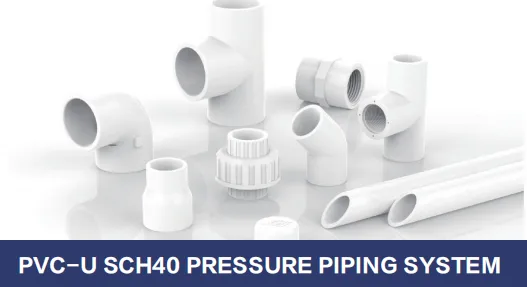
If you're not familiar with plumbing materials, the term "PVC-U SCH40" might sound like technical jargon. Let's break it down simply: PVC-U stands for "unplasticized polyvinyl chloride," a rigid, strong form of PVC that's free from the plasticizers that make some plastics flexible. SCH40 refers to the pipe's pressure rating—a standard set by the American National Standards Institute (ANSI) that indicates how much internal pressure the pipe can withstand safely. For retail malls, where water pressure can vary and peak demand is a regular occurrence, SCH40's pressure capacity (typically around 450 psi at 73°F for 1-inch pipe) is more than up to the task.
But what makes PVC-U SCH40 so well-suited for retail mall plumbing? Let's start with corrosion resistance . Unlike metal pipes (think copper or galvanized steel), PVC-U doesn't rust, corrode, or react with chemicals commonly found in mall environments—like the cleaning solutions used in restrooms or the food acids from kitchen drains. This resistance means fewer leaks, longer pipe life, and lower maintenance costs over time. Imagine a restroom pipe that's exposed to harsh disinfectants daily; a metal pipe might start to degrade within a few years, but PVC-U SCH40 will stand strong for decades.
Then there's lightweight design . PVC-U pipes are significantly lighter than metal alternatives, which makes them easier to transport, handle, and install. In a mall construction or renovation project, where time is money, this translates to faster installation times and reduced labor costs. Contractors don't need heavy machinery to move PVC-U pipes, and fitting them into tight spaces—like between ceiling joists or behind walls—is far simpler than wrestling with rigid metal pipes. For a project that's already juggling multiple trades (electricians, HVAC technicians, carpenters), anything that streamlines the process is a win.
Cost-effectiveness is another major draw. PVC-U SCH40 pipes are generally more affordable upfront than copper or stainless steel, and their low maintenance requirements keep long-term costs down. A study by the Plastic Pipe Institute found that PVC piping systems can cost up to 50% less than copper systems over a 20-year lifespan when factoring in installation, maintenance, and replacement costs. For retail mall developers working within tight budgets, this kind of savings can be redirected into enhancing the visitor experience—think better lighting, more seating, or upgraded storefronts.
Finally, versatility makes PVC-U SCH40 a standout choice. It's suitable for a wide range of applications within a mall: potable water lines (delivering clean water to restrooms and kitchens), drain-waste-vent (DWV) systems (removing wastewater), and even irrigation lines for indoor landscaping or rooftop gardens. This versatility means developers can standardize on one material, simplifying supplier relationships and reducing the risk of compatibility issues between different piping types. When you're coordinating a project with dozens of contractors, having a single, reliable material across multiple systems is a logistical lifesaver.
Choosing the right piping material is only half the battle. The other half? Partnering with a supplier who understands the unique needs of commercial projects like retail malls. A reputable commercial building materials supplier doesn't just deliver pipes—they deliver expertise, reliability, and peace of mind. Here's why this partnership is so critical:
Quality assurance is non-negotiable. Retail mall plumbing systems are too important to cut corners on material quality. A trusted PVC-U SCH40 pressure piping system supplier will ensure their products meet or exceed industry standards, such as ASTM D1785 (the standard for PVC pipe for pressure applications) or DIN standards for international projects. They'll provide documentation—like test reports and certifications—to back up their claims, so you know the pipes you're installing are designed to last. Subpar pipes might save a few dollars upfront, but a single leak in a busy mall could lead to water damage, store closures, and costly repairs. It's not worth the risk.
Comprehensive product range is another key factor. A good supplier doesn't just sell pipes—they offer the full package, including pipes fittings, valves, and accessories. This is where a pipes fittings supplier becomes invaluable. Mismatched fittings (even from the same material) can lead to leaks or reduced pressure. By sourcing pipes and fittings from the same supplier, you ensure compatibility and consistency across the entire system. For example, if you're installing a PVC-U SCH40 water line, the supplier should provide elbows, tees, couplings, and valves that are specifically designed for SCH40 pressure applications, not generic fittings that might not handle the pressure.
Timely delivery can make or break a mall construction timeline. Delays in material delivery can hold up the entire project, leading to missed opening dates and frustrated tenants. A reliable supplier will have a robust inventory management system and a network of distribution centers to ensure products arrive when and where you need them. This is especially important for large-scale projects, where even a small delay in one section of the mall can have a domino effect on other trades.
Perhaps most importantly, a great supplier offers technical support . Installing a complex plumbing system in a retail mall isn't always straightforward. What if you need to adjust the pipe layout to accommodate a last-minute design change? Or you're unsure about the best way to connect PVC-U pipes to existing metal systems? A supplier with in-house technical experts can provide guidance, answer questions, and even offer on-site support if needed. This level of partnership turns a transactional relationship into a collaborative one, where the supplier is invested in your project's success.
When you combine all these factors—quality, product range, delivery, and support—it's clear why choosing the right commercial building materials supplier is just as important as choosing the right piping system. For retail mall developers, this partnership isn't just about buying pipes; it's about investing in a system that will keep the mall running smoothly for decades to come.
To truly understand why PVC-U SCH40 is the top choice for retail mall plumbing, it helps to see how it stacks up against other common piping materials. Let's compare it to three alternatives: copper, PPR (polypropylene random copolymer), and standard UPVC (unplasticized polyvinyl chloride, often used for non-pressure applications). The table below breaks down key factors like cost, durability, installation ease, and suitability for high-traffic areas.
| Factor | PVC-U SCH40 Pressure Piping | Copper Piping | PPR Piping | Standard UPVC (Non-Pressure) |
|---|---|---|---|---|
| Upfront Cost | Low-Moderate (affordable for large-scale projects) | High (3-5x more expensive than PVC-U) | Moderate (slightly higher than PVC-U) | Low (but not suitable for pressure applications) |
| Pressure Rating | High (SCH40: ~450 psi at 73°F for 1-inch pipe) | High (depends on thickness; suitable for pressure) | Moderate (good for hot water but lower pressure than SCH40) | Low (designed for DWV, not pressure lines) |
| Corrosion Resistance | Excellent (resists chemicals, rust, and mineral buildup) | Good (but prone to corrosion in acidic water or with chemical exposure) | Good (resists corrosion but less durable than PVC-U in harsh environments) | Excellent (but limited to non-pressure use) |
| Installation Ease | High (lightweight, easy to cut, solvent-welded joints) | Low (heavy, requires soldering/ brazing, skilled labor) | Moderate (heat-fused joints require training) | High (similar to PVC-U SCH40 but for non-pressure) |
| Maintenance Needs | Low (minimal buildup, no rust, easy to inspect) | Moderate-High (prone to pinhole leaks, mineral buildup) | Low-Moderate (may require occasional joint checks) | Low (but limited application scope) |
| Suitability for Retail Malls | Excellent (handles high traffic, pressure, and chemical exposure) | Good (but cost-prohibitive for large systems) | Fair (better for small-scale hot water lines, not ideal for high pressure) | Limited (only for drains, not potable water or pressure lines) |
As the table shows, PVC-U SCH40 stands out for its balance of cost, durability, and performance—especially in high-traffic, high-pressure environments like retail malls. Copper, while a traditional favorite, is simply too expensive for large-scale projects. PPR works well for hot water lines but can't match SCH40's pressure rating or chemical resistance. Standard UPVC, often confused with SCH40, is great for drains but isn't designed to handle the pressure of potable water systems. For mall developers, PVC-U SCH40 isn't just a good choice—it's the practical choice.
To put these benefits into context, let's look at a real-world example: the renovation of a 10-year-old retail mall in Riyadh, Saudi Arabia, which was struggling with frequent plumbing issues. The mall's original plumbing system used a mix of galvanized steel and standard UPVC pipes. Over time, the steel pipes had corroded, leading to pinhole leaks in restroom walls and reduced water pressure in the food court. The standard UPVC drains, while still functional, weren't designed for the high-volume wastewater flow from busy restaurants, causing occasional backups during peak hours. The mall management team knew a full plumbing overhaul was needed—and they turned to a trusted PVC-U SCH40 pressure piping system supplier for the solution.
The supplier began by conducting a thorough assessment of the mall's plumbing needs, taking into account visitor traffic (around 30,000 daily), peak usage times (weekends and holidays), and the specific demands of each area (restrooms, food court, administrative offices). They recommended replacing all potable water lines with PVC-U SCH40 pipes and fittings, citing the material's corrosion resistance and pressure handling capabilities. For drains, they suggested upgrading to high-performance PVC DWV pipes (another product in their lineup as an upvc pipe supplier) designed for higher flow rates.
The installation process was completed in phases to minimize disruption to mall operations. Because PVC-U SCH40 pipes are lightweight and easy to install, the contractor was able to finish each phase ahead of schedule—critical for a mall that couldn't afford extended closures. The supplier provided on-site technical support, ensuring that joints were properly solvent-welded and that the system was pressure-tested to 1.5 times the maximum operating pressure before being put into use.
The results? Two years after the renovation, the mall has reported zero leaks in the new PVC-U SCH40 lines and a 40% reduction in maintenance calls related to plumbing issues. Food court operators note more consistent water pressure, even during lunch rushes, and restroom attendants appreciate the reduced need for emergency repairs. Perhaps most importantly, the mall's management estimates that the upgrade will pay for itself within 5 years through lower maintenance costs and fewer tenant complaints. It's a testament to how the right piping system, paired with the right supplier, can transform a struggling infrastructure into a reliable, efficient one.
Now that you understand the benefits of PVC-U SCH40 and its suitability for retail malls, the next step is choosing a supplier. But with so many options on the market, how do you separate the reliable partners from the rest? Here are a few key factors to consider:
Industry Experience : Look for a supplier with a proven track record in commercial projects, especially retail or hospitality. Malls have unique needs, and a supplier who's worked on similar projects will understand the challenges—like tight deadlines, coordination with multiple contractors, and compliance with local building codes. Ask for references or case studies from past mall projects; a reputable supplier will be happy to share them.
Quality Certifications : Don't just take the supplier's word for it—ask for certifications. Reputable PVC-U SCH40 suppliers will have products certified by organizations like ASTM International, the International Organization for Standardization (ISO), or local bodies (e.g., SASO in Saudi Arabia). These certifications ensure the pipes meet strict standards for material quality, pressure resistance, and safety.
Inventory and Availability : For large-scale projects, you need a supplier with the inventory to meet your needs, even if the project scope changes. Ask about their stock levels for common pipe sizes (1/2 inch to 12 inches, for example) and their ability to source specialty items quickly. A supplier with multiple distribution centers or a global network is more likely to avoid delays due to stockouts.
Technical Support : As we saw in the Riyadh mall case study, technical support can make a big difference in installation success. Does the supplier offer on-site training for your contractors? Can they help with system design or troubleshooting if issues arise? A supplier who invests in your project's success beyond just selling products is a partner worth keeping.
Sustainability Practices : In today's world, sustainability matters. Look for a supplier who prioritizes eco-friendly manufacturing processes, uses recycled materials where possible, or offers products that contribute to LEED certification (PVC-U pipes are recyclable and energy-efficient to produce). This not only aligns with global environmental goals but can also enhance your mall's reputation as a responsible business.
Retail malls are more than just places to shop—they're community hubs, economic drivers, and spaces where memories are made. To keep these spaces thriving, every component of their infrastructure must be built to last, and plumbing is no exception. PVC-U SCH40 pressure piping systems offer the perfect blend of durability, cost-effectiveness, and performance for high-traffic environments, making them the ideal choice for modern mall developers. But their success hinges on partnering with a trusted commercial building materials supplier—one who delivers quality products, technical expertise, and reliable support.
Whether you're building a new mall from the ground up or renovating an existing space, remember: plumbing isn't an area to cut corners. The right piping system will keep your visitors comfortable, your tenants happy, and your operations running smoothly for decades. And when it comes to PVC-U SCH40, the proof is in the performance—corrosion-resistant, easy to install, and designed to handle the chaos of a busy retail mall. So why settle for anything less than the best? Choose PVC-U SCH40, choose a supplier who understands your needs, and build a plumbing system that's as resilient as the mall it serves.
Recommend Products












