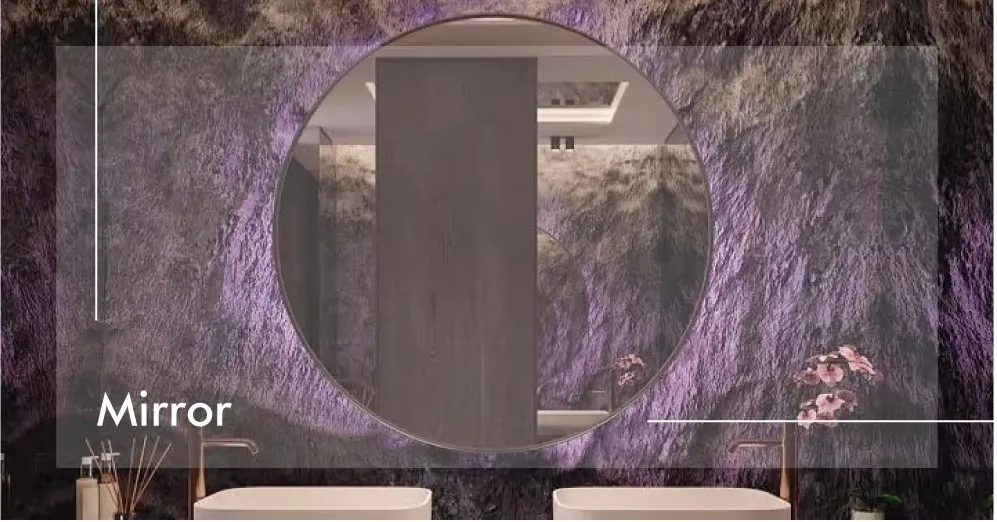
You know that magical moment when a customer steps into a fitting room and sees themselves in that perfect mirror? It's retail alchemy – turning fabric and thread into confidence and sales. But get the mirror wrong? Suddenly that $200 jacket looks like it belongs on a scarecrow. Let's explore how to avoid that disaster.
“The fitting room mirror is your silent salesperson. It doesn’t need commission, but it needs strategy. When customers see themselves accurately and beautifully, your conversion rates climb. When they see distortions? You’ve lost the sale before they even step out.” – Renowned Retail Designer
The Gold Standard: Mirror Placement That Converts
Lighting Combo Playbook
Placement isn't just about hanging hardware on a wall. It's choreography. Your fitting area should include:
-
The Full-Length Hero:
Centered on the longest wall, positioned to capture the entire silhouette without awkward cropping. (Pro tip: bottom edge 6" above floor prevents tripping hazards)
-
The Detail Sidekick:
Angled at 15-20 degrees near seating. Perfect for inspecting stitching, pockets, and tailoring details under focused lighting.
-
The Social Mirror:
Near the entrance for group consultations. Ever watched friends bond over outfit choices? That's social proof converting to sales.
The Science Behind What Customers
Really
See
Distortion Dilemmas
Funhouse mirrors aren’t just for carnivals:
-
The Concave Curse:
Mounting mirrors with slight inward curve makes hips appear larger by up to 8%. Returns skyrocket when customers realize distortion at home.
-
Fluorescent Deception:
That greenish cast from cheap lighting makes fabrics look drained and skin sickly. Pair this with your highest-quality decorative mirror? You're fighting your own investment.
-
Triple Threat Danger:
Three mirrors converging create infinite reflections that overwhelm shoppers. One luxury brand saw fitting room abandonment jump 22% after implementing this "trend".
Case Study: Revolve Clothing reduced returns by 18% simply by calibrating mirror distortion levels to < 0.3% curvature. Their secret? Using aircraft-grade aluminum backing instead of standard silvering.
Security & Privacy: The Invisible Conversion Killers
When Mirrors Spy
A Nordstrom manager confessed: “We lost a $75,000 lawsuit when a shopper discovered our ‘mirror’ was actually a two-way glass for loss prevention.” Beyond legal risks:
-
Camera-equipped "smart mirrors" increase perceived privacy violations by 63%
-
Gaps at stall edges create peeping opportunities destroying trust
-
Reflections revealing adjacent stall areas ranked top complaint in Uniqlos customer surveys
Future Gazing: What's Next for Retail Mirrors?
Innovations hitting stores soon:
-
AR Dressing Rooms:
Mirrors recognizing garments and suggesting accessories automatically
-
Mood Lighting Sync:
Mirrors adjusting warmth based on fabric texture and color
-
Fit Tech Integrations:
Pressure sensors capturing exact measurements from reflections
-
Privacy Filters:
Electrochromic glass becoming opaque when sensors detect multiple people
One unexpected innovation from bathroom mirror technology could transform fitting rooms: fog-resistant coatings that prevent steam distortion - perfect for stores in humid climates.
Final Reflection: Your mirrors should treat customers like royalty looking in palace glass, not prisoners in an interrogation room. Because how people see themselves under your lights? That's the moment they decide not just to buy the outfit, but to buy into your brand.