


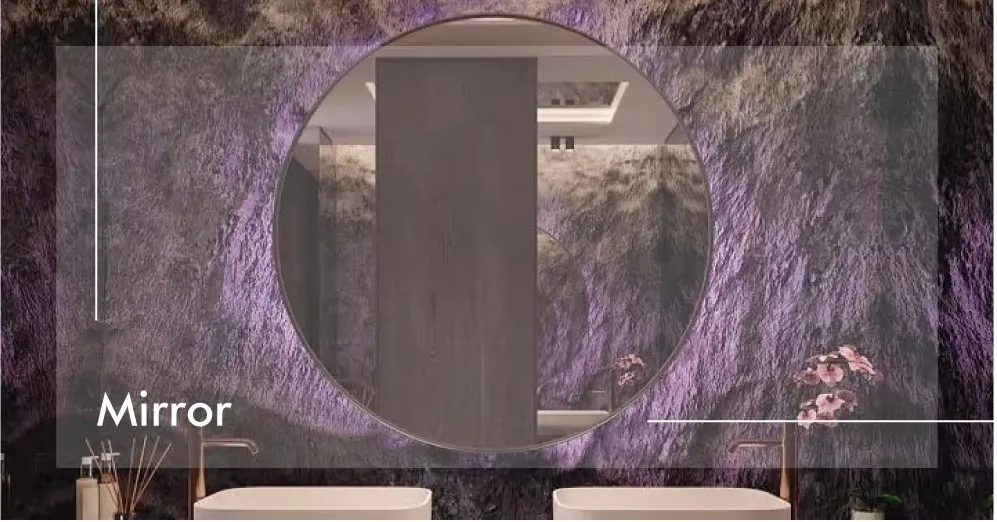
How strategically placed mirrors transform dining experiences and elevate atmosphere
Step into any truly memorable restaurant or bar, and you’ll feel it before you even taste the first bite or sip – that magical quality of space that wraps around you like a warm embrace. Lighting, texture, color…they all play starring roles, but there’s one unsung hero in this sensory ballet: the humble decorative mirror. More than just reflective surfaces, mirrors are master illusionists and emotional architects. Get their placement and selection right, and you create not just a room, but a whole mood.
And here’s the twist – it’s not just about looking at the mirror, but through it. A well-placed mirror becomes a window to the soul of your space, doubling the sparkle of candlelight, amplifying the laughter from across the room, making intimate nooks feel cozy and grand halls feel invitingly human. When chosen thoughtfully, these glass canvases reflect not just faces, but the very personality of your establishment.
From doubling the perceived size of that charming but cramped corner pub to adding dramatic flair behind a craft cocktail bar, mirrors work subtle psychological magic. They don’t shout; they whisper, "Stay awhile." In the sections ahead, we’ll explore how to harness their power, blending practical considerations with aesthetic alchemy.
Why Mirrors Belong Behind Every Great Bar & Dining Room
Ever wonder why some spots just feel vibrant? Why conversations flow easier, cocktails taste bolder, and even Tuesday nights buzz? Mirrors aren’t mere decoration—they're atmosphere amplifiers. By bouncing light around corners and creating visual depth, they turn static rooms into dynamic stages. That intimate booth doesn’t feel claustrophobic; it feels snugly private. The long communal table? It becomes a hub of connection rather than a sterile runway.
Consider the practical magic:
- Space Whisperers: Small venue? A mirrored wall acts like a portal to an identical twin room. Suddenly, 800 square feet breathes like 1,600 without costly renovations.
- Light Multipliers: In dimly lit pubs or moody wine bars, mirrors capture every flicker of candlelight, every sparkle of crystal, spreading warmth instead of gloom.
- Social Butterflies: Strategically angled mirrors let seated guests scan the room effortlessly—catching glimpses of friends arriving, feeling connected to the energy without neck craning.
- Drama Directors: Backbar reflections showcase premium bottles like artwork. Ceiling mirrors over dining tables? They create floating floral arrangements or shimmering chandeliers, doubling the visual feast.
In essence, mirrors transform patrons from spectators to participants in the unfolding story of your space. They’re not decorations; they're co-conspirators in crafting memorable nights where even the architecture leans in and whispers, "Let’s make tonight beautiful."
Reflected light from a well-placed mirror also subtly highlights textures—the grain in rustic wooden tables, the gleam on polished brass rails, the steam rising from a perfectly plated dish. Suddenly, surfaces tell stories, surfaces become part of the memory created at the table, an intimate detail for patrons to cherish.
Beyond mere functionality, mirrors introduce an element of surprise and delight. Who hasn’t entered a restaurant only to pause at the unexpected beauty of light bouncing off one reflective surface onto another? That dance of reflections becomes the unspoken poetry of a space.
Crafting Mood Through Material & Frame
Not all mirrors whisper the same secrets. The decorative mirror you choose tells a story before a single guest steps inside. That heavy, gilt-framed antique? It murmurs old-world romance, perfect for a dimly-lit steakhouse or speakeasy bar. The sleek, frameless rectangle glowing behind microgreens in a modern bistro? That speaks minimalist chic.
Material matters—deeply:
Warm & Weathered (Wood & Wrought Iron)
Think exposed oak barn beams and reclaimed timber frames—ideal for craft breweries or farm-to-table spots. They bring grounded, earthy energy. Wrought iron scrolls? They add Old World charm to wine cellars or Italian trattorias.
Sleek & Timeless (Metal & Frameless)
Brushed brass for modern bistros exudes subtle luxury. Black powder-coated steel? Urban edge for cocktail lounges. Frameless beveled edges scream contemporary sophistication.
Unexpected Textures (Concrete & Leather)
Yes, concrete frames exist! Pair them with industrial-chic lofts. Leather-wrapped borders? Unexpected luxe in a whiskey library. Makes guests reach out and touch.
Here’s the secret: frames aren’t borders—they’re amplifiers for your venue’s voice. Don’t match them perfectly to tables or chairs; let them converse with textures around them. A rough-hewn wood frame next to velvet banquettes creates tactile tension. A metallic rim near brickwork highlights both the hard and soft.
For bars specifically, consider reflections behind liquor displays. A mirrored backbar expands the perceived spirit selection dramatically. But skip the cheap sticker mirrors; invest in high-clarity glass that reflects true colors—amber whiskeys glowing like liquid gold, vibrant liqueurs popping like jewels. That bottle of premium tequila isn’t just displayed; it’s showcased in infinite regress, making your inventory look abundant and curated.
Similarly, reflective surfaces positioned behind open kitchens become silent storytellers. Watching flames dance on a grill or chefs plate with precision becomes theater when multiplied in reflection—a subtle reminder of the craft happening behind the scenes. This transparency breeds trust and theater simultaneously.
Strategic Placement: Making Mirrors Work Instead of Distort
Plop a mirror anywhere, and it reflects. Place it with intention? Now it shapes experiences. Bad placement traps servers in reflections with distracting movement. Smart placement? It turns functional corners into focal moments:
- Corner Magic: Angle mirrors in darker corners opposite windows or light sources. Creates "borrowed light," transforming dead zones into cozy reading nooks.
- Dining Area Drama: Hang large vertical mirrors perpendicular to windows—never directly opposite tables (nobody wants dinner with their own reflection!). Instead, angle slightly to bounce garden views or street scenes into the room.
- Bar Brilliance: Above backbars or sink stations? Essential. But keep them high enough to catch light fixtures and bottle sparkle—not staff bending over glasswashers.
- Height Matters: Hang mid-height for bars (eye-level when seated on stools). In dining rooms, position slightly above head height of standing guests—framing faces, not torsos.
Avoid these common traps:
- Distortion Disaster: Cheap, thin mirrors warp reflections. Invest in distortion-free quality—especially behind bars where straight bottles look curved.
- Glare Gauntlets: Position mirrors away from direct sunbeams hitting tables. That afternoon glare isn’t ambiance; it’s squinting guests.
- Safety First: In high-traffic zones or kid-friendly spaces? Opt for acrylic or tempered safety glass. A shattered statement piece isn’t romantic.
For outdoor patios, mirrors transform limitations into assets. Strategically placed on blank courtyard walls, they can seemingly double greenery by reflecting adjacent planters or create the illusion of lush gardens where space might otherwise feel constrained. However, use outdoor-rated materials to withstand weather extremes and frequent cleaning demands.
Behind hostess stands, mirrors provide an elevated perspective, allowing hosts to subtly survey tables without hovering. Similarly, in restrooms facing vanity basins, mirrors positioned at precise angles minimize awkward crowding while maintaining functionality—a reflection of the thoughtfulness embedded throughout the establishment.
Creating Cohesion: Mirrors in the Larger Design Story
A mirror shouldn’t scream, "Look at me!" It should whisper, "Look at this ." They work best as supporting actors, enhancing your core design elements:
- Playing with Light Partners: Place mirrors near statement pendants, vintage sconces, or embedded LED strips. The light doesn’t just shine; it dances across surfaces.
- Texture Conversation: Position a sleek mirror near a rough stone wall or beside heavy velvet drapes. The mirror doesn’t replicate—it contrasts, making both textures richer.
- Color Echoes: Frame a mirror in deep emerald to pick up hints in upholstery? That’s intentional. Matching perfectly? That’s predictable.
- Group Dynamics: Clusters of smaller mirrors (varying shapes/sizes) create gallery energy in lounges. Keep spacing irregular for organic flow.
Imagine walking into a modern seafood grill: sea-blue booths, driftwood accents, ambient lighting mimicking dappled water. Now add strategically placed mirrors with lightly weathered driftwood frames—reflecting both the light patterns and the oceanic hues. Suddenly, you’re not just sitting in a restaurant; you’re surrounded by subtle, shifting seascapes that feel integrated, not tacked on.
Similarly, consider mirrors alongside artworks to extend the story. Positioned adjacent to canvases depicting scenes evocative of the restaurant’s theme or region, the reflection becomes an extension of the visual narrative, carrying the emotional tone beyond the physical frame. Similarly, reflecting sculpture arrangements from unconventional angles introduces depth and invites patrons to explore different perspectives.
Mirrors placed behind or alongside architectural features such as fireplaces or exposed structural elements create visual dialogues. Reflections capture both the boldness and nuance of stonework or brickwork, inviting closer inspection. These moments shift focus without demanding attention, enhancing discovery throughout the space.
Additionally, reflections offer unique vantage points otherwise unavailable—highlighting the intricate patterns of woodgrain on beams overhead, the delicate texture of lace table runners, or the unique curvature of sculptural glassware across the room. Suddenly, every angle matters; every surface tells a story.
Maintaining the Illusion: Practical Care & Longevity
That perfect reflection turns grimy fast without routine care. Fingerprints, cocktail spritz, greasy kitchen air—mirrors collect atmosphere, literally. Keep them crystal-clear without streak nightmares:
- The Daily Wipe: Microfiber cloths + distilled water beat chemical sprays any day. Vinegar solutions (1:4 with water) cut grease near kitchens.
- Deep Cleans: Weekly, use foaming glass cleaner lightly sprayed on cloth— never directly on mirror. Avoid harsh ammonia near antique mirrored finishes.
- Frame TLC: Dust wooden frames weekly. Treat leather-wrapped edges monthly with conditioner. Metal frames? Polish quarterly with appropriate metal care.
For high-splash zones like bars or servers’ stations, install protective clear acrylic over mirrors. It protects without distorting reflections. And in bustling family spots? Safety-backed acrylic mirrors avoid shatter risks.
Remember: cleanliness isn’t just functional; it’s psychological. Streak-free clarity signals attention to detail—a subtle assurance that extends to the food, drinks, and overall care throughout the establishment. Conversely, a blurred, spotted reflection whispers neglect—regardless of how excellent the service might be.
Beyond daily maintenance, proactive care prevents costly replacements. Inspect mounting hardware regularly, tightening loose fixtures before vibration or impact becomes an issue. Similarly, monitor edges exposed to humidity for signs of deterioration or corrosion and reseal frames accordingly to prevent moisture penetration.
For outdoor patios, utilize specialized sealants designed for exterior mirrors and schedule quarterly deep cleans to address environmental buildup like dust, pollen, or salt spray—elements that can gradually compromise clarity and long-term structural integrity.
Beyond vanity or simple decoration, mirrors in hospitality spaces serve as silent orchestrators of emotion and experience. When chosen with intention—considering material, frame, placement, and their conversation with light, texture, and color—they transcend their glass confines. They expand intimacy, amplify warmth, highlight craftsmanship, and deepen the story a space tells.
Next time you walk into a favorite haunt, notice where the light feels richest, where the corners feel alive, where laughter seems to echo just a little brighter. Chances are, a well-placed mirror is the invisible conductor behind that invisible symphony—a reflective canvas making everything, and everyone, look—and feel—just a little more vibrant.
Because truly great dining isn’t just about taste; it’s about feeling seen—and seeing your space reflected beautifully around you. When the setting feels right, when surfaces shimmer with warmth and depth, guests linger longer, feel more connected, and carry those feelings beyond the dining experience—creating lasting memories forged in thoughtful reflection.










