
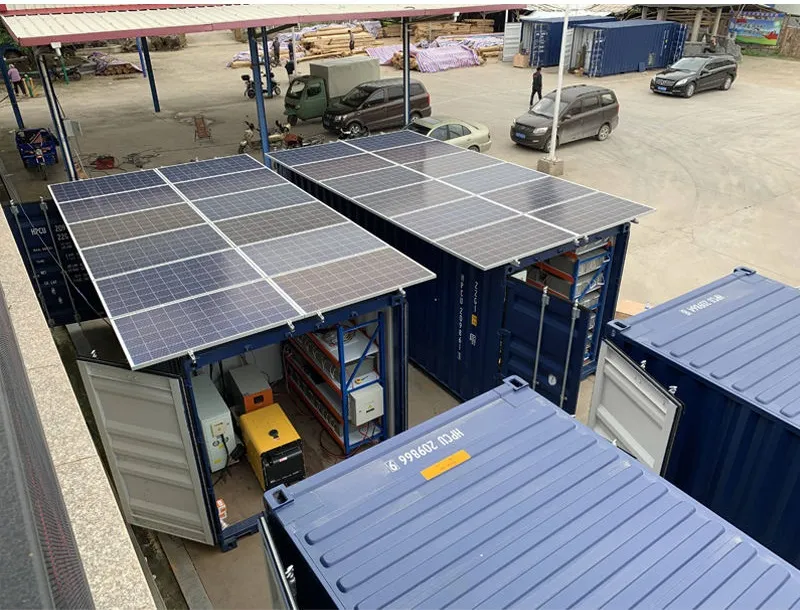
So, Vietnam's decided to pull the plug on feed-in tariff subsidies for rooftop solar, huh? Big shift, and understandably leaving a lot of folks scratching their heads. We've seen this playing out across the globe—governments changing renewable incentives like they're changing socks. But here in Vietnam, it feels personal because rooftop solar wasn't just about going green; it was becoming part of our everyday energy story. Let's unpack what this really means.
First off, this isn't just some policy tweak. When Vietnam Electricity Group (EVN) announced that FIT prices would sunset for projects after December 31, 2020, it sent ripples through neighborhoods, businesses, and investors alike. Suddenly, those panels on your roof weren't just a green badge of honor—they were stuck in regulatory limbo. And honestly? It's been messy.
Key moment: EVN officially stopped accepting new connection requests and power purchase contracts for rooftop systems kicking off after New Year's Eve 2020. If you missed that cutoff, tough luck—your solar electricity isn't getting logged or compensated until further notice. Ouch.
Let's rewind quickly. Vietnam's FIT program wasn't perfect, but man, did it work. You slap panels on your roof, generate power, sell what you don't use back to the grid at guaranteed rates—everybody wins. Two main phases drove this:
FIT 1: Covered projects from June 2017 to June 2019 at around 2,231 VND per kWh. Not huge money, but predictable.
FIT 2: Kicked in after July 2019 until the end of 2020. Rates dropped to about 1,999 VND per kWh. Still, it kept the solar train chugging.
Fast forward to 2024, and sure, those rates technically bumped up slightly due to currency adjustments (FIT 1 now around 2,206 VND, FIT 2 at 1,978 VND). But here's the kicker—it doesn't matter because the program essentially froze new entrants. The solar party paused right when more people wanted to join.
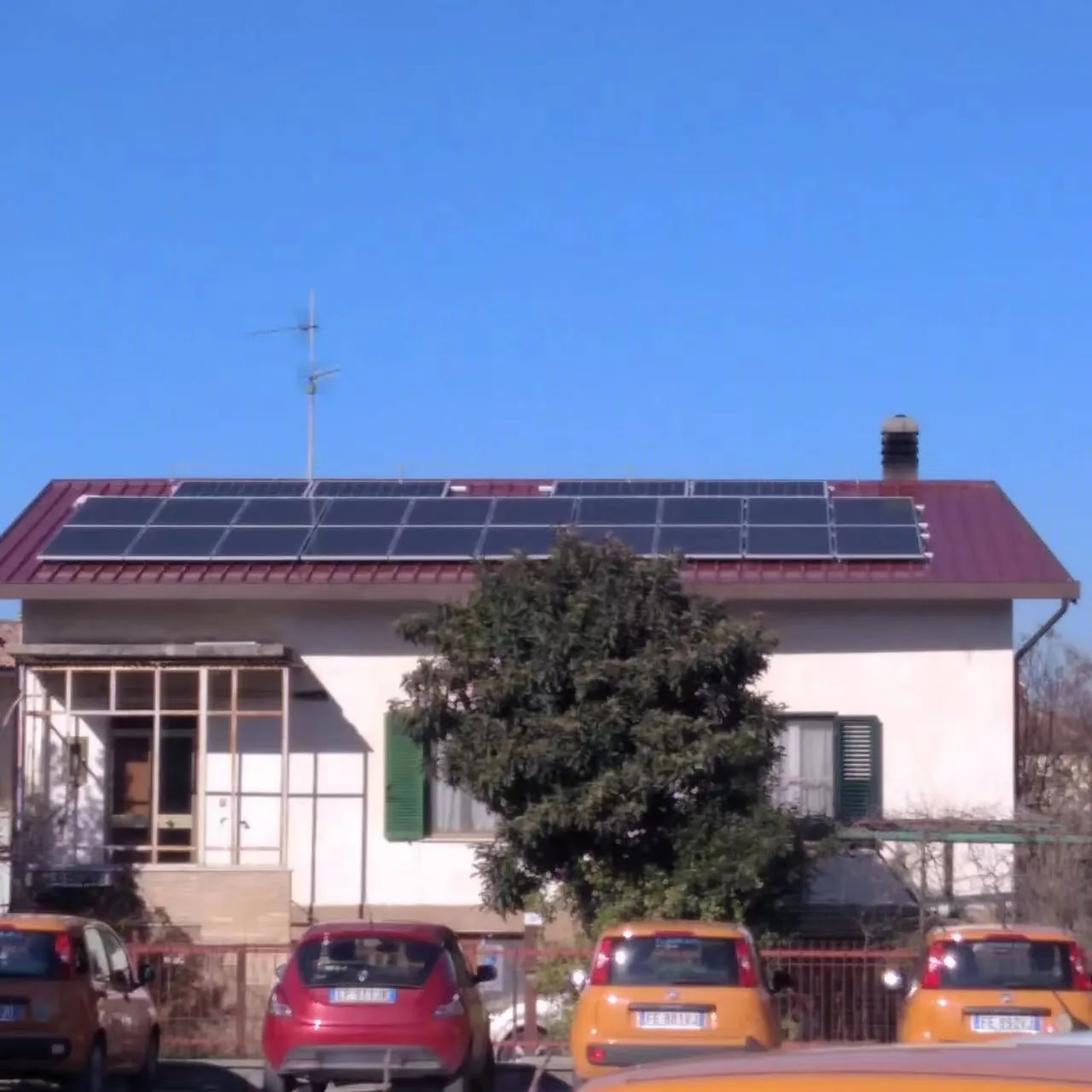
You've probably heard whispers about draft decrees floating around since 2021. The Ministry of Industry and Trade (MOIT) tried patching things with a proposal meant to "overcome difficulties." Sounds good on paper, right? Problem is, early drafts read less like solutions and more like solar kill switches.
Imagine this scenario: You install rooftop panels primarily for self-use—that's smart. But one sunny afternoon, your system cranks out extra juice. Under the draft rules? Tough. Instead of selling that surplus power to neighbors or EVN for a little return on investment, you'd get... zero dong. Yep, nada. Plus—and this is wild—you'd need to pay more to install extra devices preventing power from "backflowing" into the grid. It was like penalizing efficiency.
What frustrated everyone was the weird mixed signals. Vietnam publicly champions renewable targets at COP climate summits—aiming for over 30% renewables!—yet these proposals would've discouraged solar faster than monsoon rains kill a beach picnic.
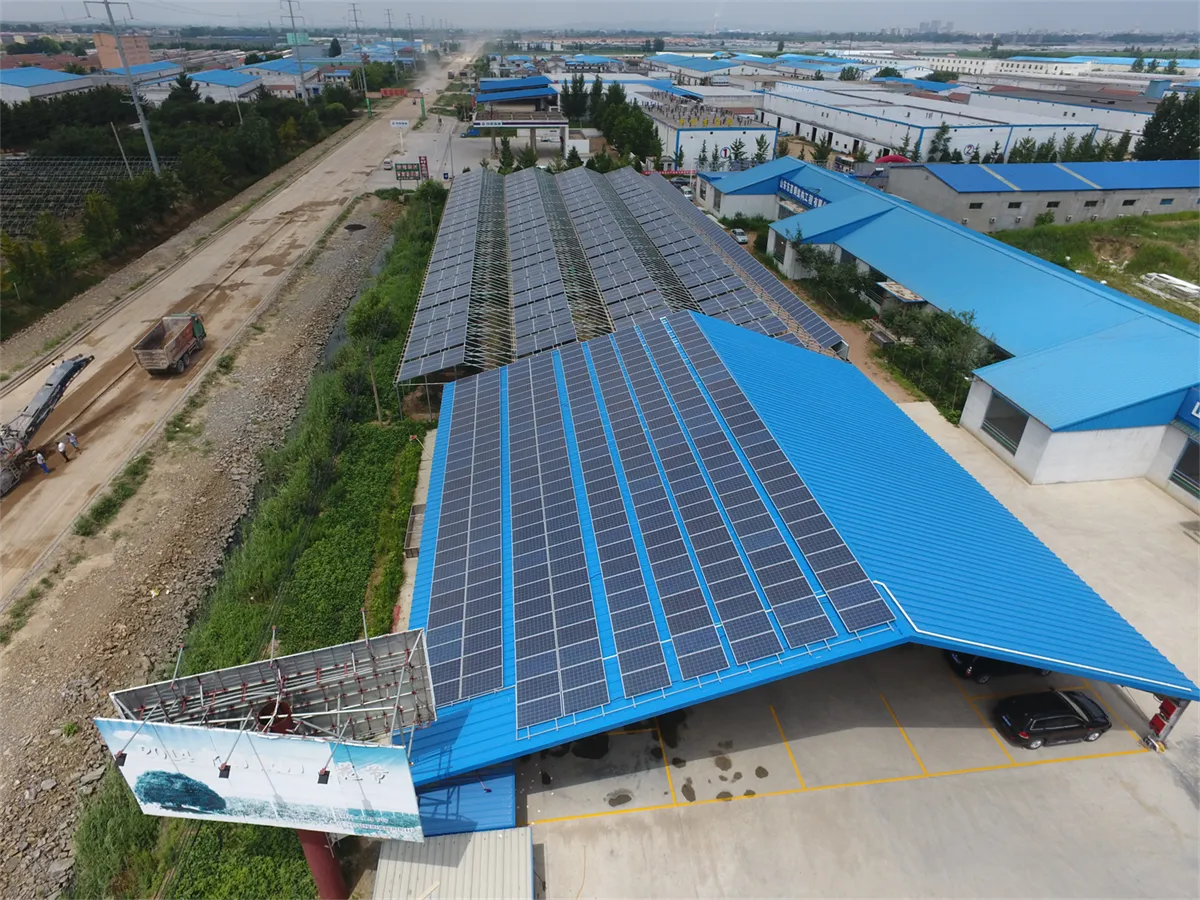
After three years of holding our breath, October 2024 finally brought us Decree No. 135. It's the long-awaited manual for self-consumption solar, trying to balance Vietnam's PDP8 power master plan with post-FIT realities. Here's what you actually need to know:
1. What's Actually Covered: Decree 135 focuses purely on rooftop solar panels meant for self-consumption—whether it's your home, factory, or office building. The twist? It matters if you're grid-tied or flying solo off-grid. Each path comes with different rules and paperwork hoops.
2. The Quota Headache: Remember Vietnam's goal of hitting 2,600 MW of solar nationwide by 2030? Well, your province gets a slice of that pie. The decree distinguishes between projects needing grid upgrades (subject to quota) versus those that don't—like standalone systems under 100 kW. This means rural setups might sail through approvals while others could wait.
3. Can You Still Sell Excess Power? Sort of, but with strings tighter than a banh mi wrapper:
The paperwork? Picture this: Before, registering your rooftop setup was pretty simple. Now, regardless of grid connection, you're filing applications with electricity units who then need sign-off from state authorities. It's the administrative equivalent of waiting for a pho broth to simmer—time-consuming.
Okay, deep breath. If you installed panels pre-2021 and had a deal with EVN, congrats—your contract stands (bless grandfather clauses). For the rest? It's a jungle out there.
Businesses have it toughest. Think about factories or hotels that invested big in solar expecting energy cost offsets. Now, surplus power might never pay back those investments. It changes ROI math entirely. As one local installer told me: "Customers are scared. They don't know if solar makes sense anymore."
Meanwhile, the pushback prevention devices—zero-export tools—add needless complexity and cost. Why layer more gadgets when simplicity would've encouraged adoption?
The irony? Vietnam's renewable energy ambitions haven't vanished. We still need to hit those COP26/27 targets. But by over-complicating rooftop solar, the government risks losing everyday energy pioneers—the homeowners, shopkeepers, and small manufacturers who one-stop architectural solution provider firms were helping make green living mainstream.
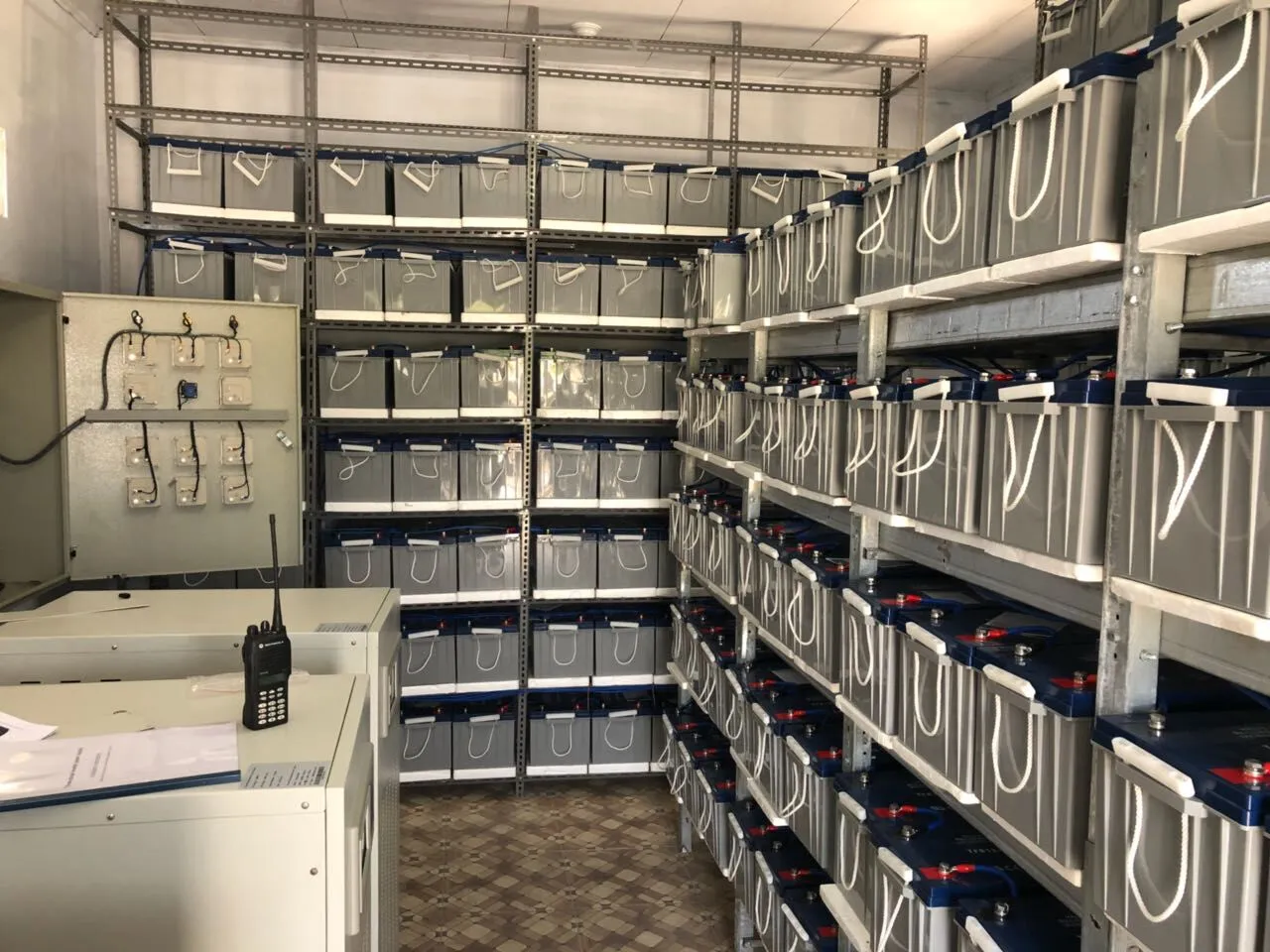
All isn't doom and gloom, though. Decree 135 at least provides clarity after years of guessing. The self-consumption focus aligns with global energy trends—after all, producing what you use minimizes grid strain. And technologically? Batteries are getting cheaper. Pair solar with storage, and suddenly those zero-export rules seem less burdensome.
Manufacturers need to pivot too. With "self-use" becoming the mantra, panel makers should innovate simpler, integrated systems that optimize for consumption—not grid exports. That one-stop architectural solution provider model mentioned earlier? More relevant than ever when convenience matters.
Bottom line: Vietnam's solar journey didn't end; it matured. The free-money FIT era is gone, replaced by a "grow up" phase that demands smarter planning. Homes and businesses now need to crunch numbers differently—factoring in realistic self-consumption patterns rather than subsidy windfalls.
For homeowners: Think long-term investment. Solar plus storage equals true independence. Work with installers who understand actual usage (not theoretical exports), and focus on long-term savings—not quick cashbacks.
For businesses: Crunch the numbers hard. Can you shift operations to daylight hours? Storage solutions worth it? Engage with provincial authorities early about quotas before installing anything.
For investors: Tread cautiously. While big solar farms have frameworks, rooftop remains fragmented. Support businesses simplifying compliance—like that one-stop architectural solution provider concept from earlier.
Vietnam's rooftop solar story is far from over. It's just entering a new chapter where success means balancing pragmatism with persistence—working within rules while pushing for sensible tweaks. The sun still shines generously here; we just need smarter ways to harness it, subsidy or not.
Recommend Products












