
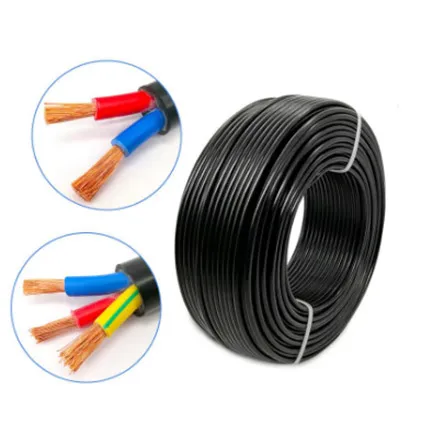
In the heart of every modern home, behind the walls and under the floors, lies a silent network that powers our daily lives. From the moment we wake up to the buzz of an alarm clock, to charging our phones while brewing coffee, and streaming our favorite shows in the evening—none of this would be possible without the right cables. As homes grow smarter and more connected, the demand for reliable, efficient wiring has never been higher. Whether you're building a new house, renovating an old one, or simply upgrading your electrical system, understanding the different types of residential cables is key to ensuring safety, functionality, and future-proofing your space. Let's dive into the world of residential wiring and explore the cables that keep our homes running smoothly.
Cables are more than just wires—they're the lifelines of a home. Think about it: your refrigerator, air conditioner, and smart thermostat all rely on stable power cables. Your internet, TV, and home security system depend on communication cables. Even small appliances like blenders and hair dryers need the right wiring to function safely. Choosing the wrong cable can lead to issues like frequent power outages, slow internet, or worse—electrical fires. That's why homeowners and contractors alike prioritize selecting high-quality cables from trusted sources. A reliable electrical fixtures & cables supplier doesn't just provide products; they offer peace of mind, ensuring that every cable meets safety standards and performance requirements.
Modern homes also face unique challenges. With the rise of smart home devices—from voice assistants to automated lighting—we're using more electricity than ever before. According to recent studies, the average household now has over 25 connected devices, a number that's expected to grow. This means our wiring systems need to handle higher loads and more complex data transmission. Outdated cables simply can't keep up, which is why upgrading to newer, more efficient cable types is often a smart investment.
Residential cables come in a variety of shapes, sizes, and materials, each designed for specific purposes. Let's break down the most common types you'll encounter in modern homes.
Power cables are responsible for carrying electrical current from your main breaker panel to outlets, switches, and appliances. They're the workhorses of your home's electrical system, and choosing the right one depends on factors like current load, installation location, and environmental conditions.
NM-B, often called "Romex" (a popular brand name), is the most common power cable used in residential wiring. It consists of two or more insulated conductors (usually copper) wrapped in a flexible plastic sheath. The sheath is flame-retardant and moisture-resistant, making it ideal for indoor use in dry locations like walls, ceilings, and floors. NM-B cables are available in different gauges (thicknesses), with 14-gauge and 12-gauge being the most common for general lighting and outlets. Heavier gauges (like 10-gauge) are used for high-power appliances such as electric ranges or air conditioners.
One of the reasons NM-B is so popular is its ease of installation. Electricians appreciate its flexibility, and homeowners benefit from its affordability. However, it's important to note that NM-B should never be used outdoors or in wet areas—for those situations, a different type of cable is needed.
Armored cable, also known as "BX" cable, is a heavier-duty option designed for areas where extra protection is needed. It features insulated copper conductors wrapped in a metal armor (usually steel), which acts as a grounding conductor and protects against physical damage. AC cable is commonly used in older homes, basements, and garages, where there's a risk of the cable being punctured by nails or tools. While it's more rigid than NM-B, its durability makes it a great choice for rough-in installations.
When wiring needs to run underground—like powering outdoor lights, sprinkler systems, or a detached garage—UF cable is the go-to option. It has a tough, moisture-resistant sheath that can withstand direct burial in soil without additional conduit. UF cable is also used in wet indoor locations, such as crawl spaces or bathrooms, where exposure to water is possible. Unlike NM-B, its conductors are individually insulated and surrounded by a overall jacket, providing extra protection against corrosion.
| Cable Type | Key Features | Best For | Pros | Cons |
|---|---|---|---|---|
| NM-B | Plastic sheath, flexible, copper conductors | Indoor dry locations (walls, outlets, lighting) | Affordable, easy to install, lightweight | Not for outdoor/wet use, less physical protection |
| AC (BX) | Metal armor, rigid, grounding via armor | Basements, garages, areas with physical risk | Durable, puncture-resistant, no need for separate ground wire | Heavier, harder to bend, more expensive |
| UF | Moisture-resistant sheath, direct burial rated | Outdoor underground, wet indoor areas | Waterproof, corrosion-resistant, durable | Stiffer than NM-B, requires deeper burial (typically 18-24 inches) |
In today's digital age, a strong communication network is just as important as reliable power. Communication cables transmit data, voice, and video signals, connecting your home to the internet, cable TV, and phone lines. Let's explore the most common types used in residential settings.
Twisted pair cables are the backbone of home internet networks. You've probably seen them—they're the Ethernet cables that connect your router to your computer or smart TV. The "Cat" in their name stands for "Category," and higher numbers indicate better performance.
Coaxial cable, recognizable by its thick, round shape and metal connector (F-connector), has been a staple in homes for decades. It's primarily used for cable TV, satellite TV, and broadband internet (via cable modems). Coaxial cable consists of a copper core, surrounded by insulation, a metal shield, and an outer plastic jacket. The shield helps block electromagnetic interference, ensuring clear signal transmission. While fiber optic cables are replacing coaxial in some areas, it's still widely used due to its affordability and compatibility with existing infrastructure.
Fiber optic cable is the future of home communication. Instead of copper wires, it uses thin strands of glass or plastic to transmit data via light signals. This allows for incredibly fast speeds (up to 10 Gbps or more) and longer transmission distances without signal loss. Fiber is immune to electromagnetic interference, making it perfect for homes with a lot of electrical equipment. While it's more expensive to install than twisted pair or coaxial, many new homes are pre-wired with fiber to support next-gen technologies like 8K streaming and virtual reality.
Beyond power and communication, some homes require specialty cables designed for unique applications. These cables are engineered to meet specific standards, ensuring optimal performance for niche uses.
Low-voltage cables carry less than 50 volts and are used for devices that don't require high power, such as doorbells, thermostats, security cameras, and smart home sensors. They're typically thinner and more flexible than power cables, with conductors made of copper or aluminum. For example, a doorbell cable might have two small-gauge wires, while a security camera cable could include both power and video transmission lines.
For home theater enthusiasts, speaker cables are a must. These cables connect amplifiers to speakers, carrying audio signals with minimal loss. Speaker cables are rated by gauge (lower gauge = thicker wire), with 12-gauge and 14-gauge being common for home use. Thicker wires are better for longer distances, as they reduce resistance and signal degradation. Some high-end speaker cables also feature shielding to prevent interference from nearby power lines, ensuring crisp, clear sound.
As more homeowners install solar panels (a trend aligned with global sustainability goals), solar cables have become increasingly important. These cables are designed to withstand extreme temperatures, UV radiation, and moisture, as they're often exposed to the elements on rooftops. Solar cables are typically double-insulated and rated for high voltage (up to 1000V DC), ensuring safe and efficient transfer of energy from solar panels to inverters and batteries. When choosing solar cables, it's crucial to work with a supplier that understands the unique requirements of renewable energy systems.
With so many cable types available, how do you decide which one is right for your home? Here are the key factors to keep in mind:
The first step is determining how much power the cable will need to carry. For example, a 15-amp circuit (common for lighting and small appliances) can use 14-gauge NM-B cable, while a 20-amp circuit (for larger appliances like refrigerators) requires 12-gauge. Always check the device's amperage rating and consult the National Electrical Code (NEC) for guidelines.
Where the cable will be installed matters. Indoor dry locations (like walls) can use NM-B, while outdoor or wet areas need UF or armored cable. For underground runs, UF is mandatory. If the cable will be exposed to sunlight (like on a rooftop), look for UV-resistant sheaths.
For communication cables, consider the type of signal and required bandwidth. If you're setting up a basic home network, Cat5e should suffice. But if you plan to stream 4K video or use multiple smart devices simultaneously, Cat6 or fiber optic is better. For cable TV, coaxial is still reliable, but fiber offers faster internet speeds.
Never compromise on safety. Look for cables that are UL-listed (Underwriters Laboratories) or certified by other reputable organizations. This ensures the cable has been tested for fire resistance, electrical performance, and durability. A trustworthy pipes fittings supplier or electrical supplier will always provide certification documents for their products.
Think about how your needs might change in the next 5–10 years. Will you add more smart devices? Install a home office with high-speed internet? Upgrade to a home theater? Choosing a slightly higher-rated cable (like Cat6 instead of Cat5e) can save you the hassle and cost of rewiring later.
Even the best cables won't perform well if installed incorrectly. Here are some tips to ensure a smooth, safe installation:
As technology evolves, so too will residential wiring. Here are some trends to watch:
While these innovations are exciting, the basics of good wiring will always remain the same: quality materials, proper installation, and careful planning. By staying informed and working with trusted suppliers, homeowners can ensure their wiring systems are ready for whatever the future holds.
Residential cables may not be the most glamorous part of home design, but they're undoubtedly one of the most important. From powering your morning coffee to connecting you with loved ones via video call, the right cables make modern life possible. By understanding the different types of cables, choosing wisely, and investing in professional installation, you can create a home that's safe, efficient, and ready for the future. Remember, when it comes to wiring, cutting corners isn't worth the risk. Whether you're building a new home or upgrading an old one, prioritize quality—and don't hesitate to reach out to a reliable supplier for guidance. After all, your home deserves nothing less than the best.
Recommend Products












