
Every morning, millions of people around the world start their day with a simple ritual: turning on the tap. Whether it's to fill a glass for a refreshing drink, lather up in the shower, or wash the dishes from last night's dinner, water is the silent backbone of our daily lives. In our homes, we rarely think about the journey that water takes to reach our taps—until something goes wrong. A leaky pipe, a strange taste, or a drop in pressure can quickly turn that morning ritual into a source of stress. That's why, when it comes to residential water supply, the choice of piping system isn't just a technical decision—it's a choice that impacts the health, comfort, and peace of mind of everyone under your roof.
As a homeowner, you want to trust that the water flowing through your pipes is clean, safe, and free from contaminants. You want to know that the system behind your walls, under your floors, and in your basement is built to last—resistant to corrosion, leaks, and the wear and tear of daily use. And perhaps most importantly, you want a solution that doesn't break the bank, both in upfront costs and long-term maintenance. This is where the role of a reliable residential building materials supplier becomes invaluable. A supplier that specializes in high-quality, residential-focused products doesn't just sell pipes and fittings—they sell peace of mind, ensuring that your home's water supply system is built to meet the unique demands of family life.
Not all piping systems are created equal. Many older homes still rely on outdated materials like galvanized steel or even lead pipes, which can pose serious risks. Galvanized steel, for example, is prone to rust and corrosion over time. As the inner walls of the pipes degrade, rust particles can flake off into the water, leading to discoloration, a metallic taste, and even damage to appliances like washing machines and dishwashers. Worse, corrosion weakens the pipes, increasing the risk of leaks that can cause water damage to walls, floors, and foundations—costing thousands of dollars in repairs.
Lead pipes, though now banned in most countries, are still present in some older properties. Lead leaching into drinking water is a well-documented health hazard, linked to developmental issues in children, neurological problems, and other serious illnesses. Even "safe" materials can fail if they're not properly designed for residential use. For instance, some plastic pipes may not withstand the pressure of modern water systems, or they may degrade when exposed to certain chemicals in the water supply. The result? Frequent repairs, inconsistent water pressure, and the constant worry that your family's water isn't as safe as it should be.
For new homes or homeowners looking to upgrade, the stakes are even higher. Building a new house is a once-in-a-lifetime investment, and cutting corners on piping materials can lead to regrets down the line. Imagine moving into your dream home, only to discover a pinhole leak in the kitchen wall six months later, or noticing that the water from your bathroom tap has a strange odor. These issues aren't just inconvenient—they erode the trust you have in your home's infrastructure. That's why choosing the right piping system, and the right supplier, is so critical.
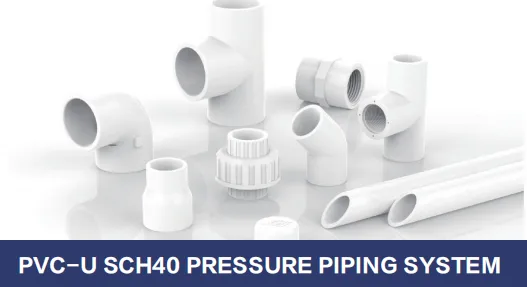
Enter PVC-U SCH40 pressure piping systems—a material that has revolutionized residential water supply in recent years. But what exactly is PVC-U SCH40, and why is it becoming the go-to choice for homeowners and builders alike? Let's break it down. PVC-U stands for Unplasticized Polyvinyl Chloride, a rigid, durable plastic that's been used in construction for decades. The "SCH40" refers to the pipe's schedule, a standard that indicates its wall thickness and pressure rating. SCH40 pipes are designed to handle moderate to high water pressure, making them ideal for residential water supply systems, where consistent pressure is key for everything from showering to watering the garden.
One of the biggest advantages of PVC-U SCH40 is its resistance to corrosion. Unlike metal pipes, PVC-U doesn't rust, pit, or degrade when exposed to water, chemicals, or soil conditions. This means that once installed, your pipes will maintain their integrity for decades, reducing the risk of leaks and the need for costly replacements. For homeowners in areas with hard water or aggressive soil, this is a game-changer. Hard water, which is high in minerals like calcium and magnesium, can cause scale buildup in metal pipes over time, restricting water flow and reducing efficiency. PVC-U SCH40 pipes are smooth on the inside, preventing scale buildup and ensuring consistent water pressure throughout your home.
Safety is another non-negotiable factor, especially when it comes to drinking water. PVC-U SCH40 pipes are lead-free and do not leach harmful chemicals into the water supply, even when exposed to high temperatures or prolonged use. They're also resistant to bacteria growth, thanks to their non-porous surface, which means your water stays cleaner and fresher from the main line to your tap. For families with young children, elderly relatives, or anyone with health concerns, this peace of mind is priceless.
Cost-effectiveness is another reason why PVC-U SCH40 is so popular. Compared to materials like copper or stainless steel, PVC-U pipes are significantly more affordable, both in terms of material costs and installation. Their lightweight design makes them easier to transport and handle, reducing labor costs for builders. And because they're resistant to corrosion and require minimal maintenance, the long-term savings are substantial. A PVC-U SCH40 system installed today could last 50 years or more with proper care, making it a smart investment for any homeowner.
Of course, even the best piping material is only as good as the supplier behind it. When it comes to residential water supply, you need more than just a company that sells pipes—you need a partner who understands the unique needs of homeowners. A reliable PVC-U SCH40 pressure piping system supplier should offer more than just products; they should provide expertise, support, and a commitment to quality that aligns with your home's needs.
So, what should you look for in a supplier? First and foremost, certifications. Reputable suppliers will have their products tested and certified by independent organizations to ensure they meet industry standards for safety, durability, and performance. Look for certifications like ISO 9001 (quality management), NSF/ANSI 61 (drinking water system components), and local building code compliance. These certifications are a sign that the supplier takes quality seriously and that their products have been rigorously tested under real-world conditions.
Product range is another key factor. A good residential building materials supplier will offer a full line of PVC-U SCH40 products, including pipes, fittings, valves, and accessories, to ensure compatibility and ease of installation. This one-stop-shop approach saves you time and reduces the risk of mismatched components, which can lead to leaks or system failures. Additionally, some suppliers may offer complementary products, such as PPR pipe and fitting solutions, which are ideal for hot water systems. PPR (Polypropylene Random Copolymer) pipes are known for their heat resistance, making them a great companion to PVC-U SCH40 for homes that need both cold and hot water piping solutions. Having a supplier that offers both PVC-U and PPR options means you can get all your piping needs met in one place, simplifying the building or renovation process.
Technical support is also crucial, especially for homeowners who are new to piping systems or working with a builder. A good supplier will have a team of experts on hand to answer questions, provide installation guidelines, and help you choose the right products for your home's specific needs. Whether you're building a small apartment or a large family home, your supplier should be able to recommend the right pipe sizes, fittings, and configurations to ensure optimal performance. They should also offer after-sales support, including warranty coverage and assistance with any issues that may arise after installation. This level of support transforms a transactional relationship into a partnership, giving you confidence that you're not alone in maintaining your home's water supply system.
To truly understand the value of PVC-U SCH40, it helps to compare it to other common residential piping materials. Let's take a closer look at how it stacks up against options like PPR, UPVC, and galvanized steel:
| Material | Best For | Advantages | Disadvantages | Supplier Example |
|---|---|---|---|---|
| PVC-U SCH40 | Residential cold water supply, general plumbing | Corrosion-resistant, lead-free, cost-effective, easy to install | Not ideal for high-temperature water (over 60°C) | PVC-U SCH40 pressure piping system supplier |
| PPR | Hot water systems, radiant heating | Heat-resistant (up to 95°C), durable, low maintenance | More expensive than PVC-U, requires specialized tools for installation | PPR pipe and fitting supplier |
| UPVC | Drainage systems, low-pressure applications | Lightweight, affordable, resistant to chemicals | Not designed for high-pressure water supply | UPVC pipe supplier |
| Galvanized Steel | Older homes, high-pressure systems | Strong, durable, heat-resistant | Prone to corrosion, heavy, expensive, requires regular maintenance | Traditional metal pipe suppliers |
As the table shows, PVC-U SCH40 is the clear winner for residential cold water supply, offering a balance of durability, safety, and affordability that's hard to beat. When paired with PPR for hot water systems, it creates a comprehensive piping solution that meets all the needs of modern homes. And by choosing a supplier that specializes in both, you can ensure seamless integration and consistent quality across your entire water supply system.
Even the best piping system will underperform if not installed correctly. That's why working with a supplier that provides clear installation guidelines is so important. PVC-U SCH40 pipes are relatively easy to install compared to metal pipes, but there are still best practices to follow. For example, pipes should be properly supported to prevent sagging, which can lead to stress on joints. Fittings should be cleaned and primed before gluing to ensure a tight, leak-free seal. And care should be taken to avoid over-tightening connections, which can crack the pipes.
A good supplier will provide detailed installation manuals, video tutorials, or even on-site training for builders and contractors. They may also offer tools and accessories specifically designed for PVC-U installation, such as cutters, primers, and adhesives, to ensure the job is done right. For homeowners tackling a DIY project, this support can be invaluable, helping to avoid common mistakes that could compromise the system's integrity.
Maintenance is another area where PVC-U SCH40 shines. Unlike metal pipes, which may require regular flushing or coating to prevent corrosion, PVC-U systems are virtually maintenance-free. However, there are still steps you can take to ensure they last as long as possible. Inspect visible pipes and fittings periodically for signs of damage, such as cracks, discoloration, or leaks. Keep pipes clear of heavy objects or sharp tools that could puncture them. And if you notice a drop in water pressure or a change in water quality, contact your supplier or a professional plumber to diagnose the issue early. Catching problems early can prevent minor issues from turning into major repairs.
The Rodriguez family, homeowners in a suburban neighborhood, had lived in their 1980s home for 10 years when they started noticing issues with their water supply. The kitchen tap would sputter when turned on, and the water sometimes had a faint metallic taste. After a plumber inspected their system, they learned that their galvanized steel pipes were corroding from the inside out—a common problem in older homes. The plumber recommended replacing the entire system, a project that seemed daunting both in terms of cost and disruption.
After researching their options, the Rodriguezes decided to go with a PVC-U SCH40 system, recommended by their local residential building materials supplier. They chose a supplier that offered a full range of PVC-U pipes and fittings, as well as PPR pipes for their hot water lines. The supplier provided technical support, helping the Rodriguezes and their contractor determine the right pipe sizes and layout for their home. The installation took three days, with minimal disruption to the family's daily life, thanks to the lightweight and easy-to-install nature of the PVC-U pipes.
Six months later, the Rodriguezes are thrilled with the results. "The water tastes better, the pressure is consistent, and we no longer worry about leaks," says Maria Rodriguez. "The best part is knowing that this system will last for decades, so we won't have to go through this again. Our supplier made the whole process so easy—they answered all our questions and even followed up after installation to make sure everything was working properly. It's more than just a pipe supplier; they're a partner in our home's safety."
Your home is more than just a building—it's where you build memories, raise your family, and find comfort after a long day. The water that flows through its pipes is the lifeblood of that home, supporting everything from cooking and cleaning to bathing and gardening. Choosing the right piping system and supplier is an investment in your home's future, ensuring that your family has access to safe, reliable water for years to come.
PVC-U SCH40 pressure piping systems offer the perfect combination of safety, durability, and affordability for residential water supply. When paired with a reputable supplier that offers expertise, support, and complementary products like PPR pipes, you can create a water supply system that meets all your home's needs. Whether you're building a new home or upgrading an older one, don't underestimate the importance of quality piping. After all, when it comes to your family's health and your home's value, nothing is more important than a safe, reliable water supply.
So, take the time to research your options, ask questions, and choose a supplier that puts your needs first. Your home—and your family—deserve nothing less.
Recommend Products












