
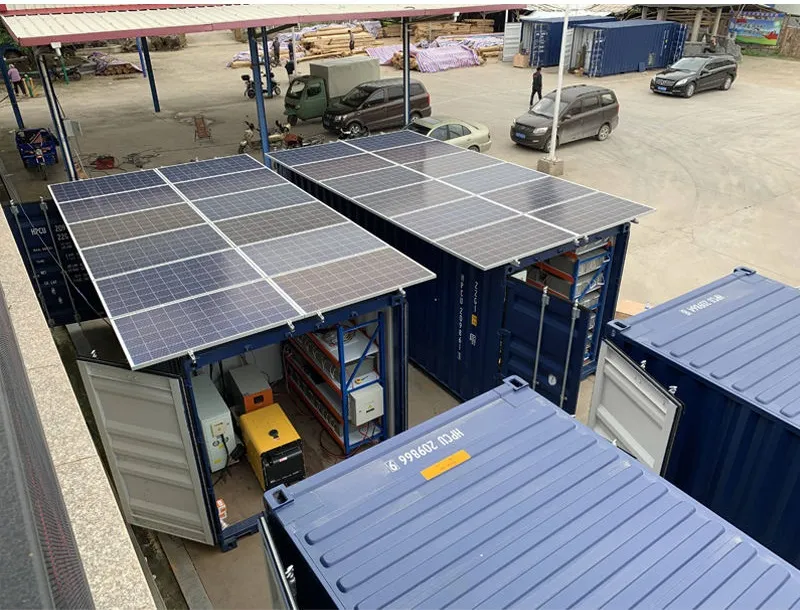
Balancing Affordability, Sustainability, and Performance for Every Project
In an era where sustainability isn't just a buzzword but a business imperative, solar panels have emerged as a cornerstone of modern construction. From family homes in Riyadh to commercial towers in Jeddah, the demand for clean, renewable energy solutions is reshaping how we build—and how we budget. As a one-stop architectural solution provider , Coloria understands that every project, whether residential or commercial, comes with unique financial goals and technical needs. That's why we're breaking down the true costs of solar panels for homes and businesses, and how our tailored approach turns these investments into long-term assets.
Solar energy isn't just about reducing carbon footprints; it's about smart economics. For homeowners, it means slashing monthly electricity bills and increasing property value. For businesses, it's a strategic move to lower operational costs, meet ESG targets, and align with global trends like Saudi Arabia's "2030 Vision"—a roadmap that prioritizes sustainability and energy independence. But here's the catch: the cost of going solar varies dramatically between residential and commercial projects. Let's dive into why, and how Coloria bridges the gap with solutions designed for real-world needs.
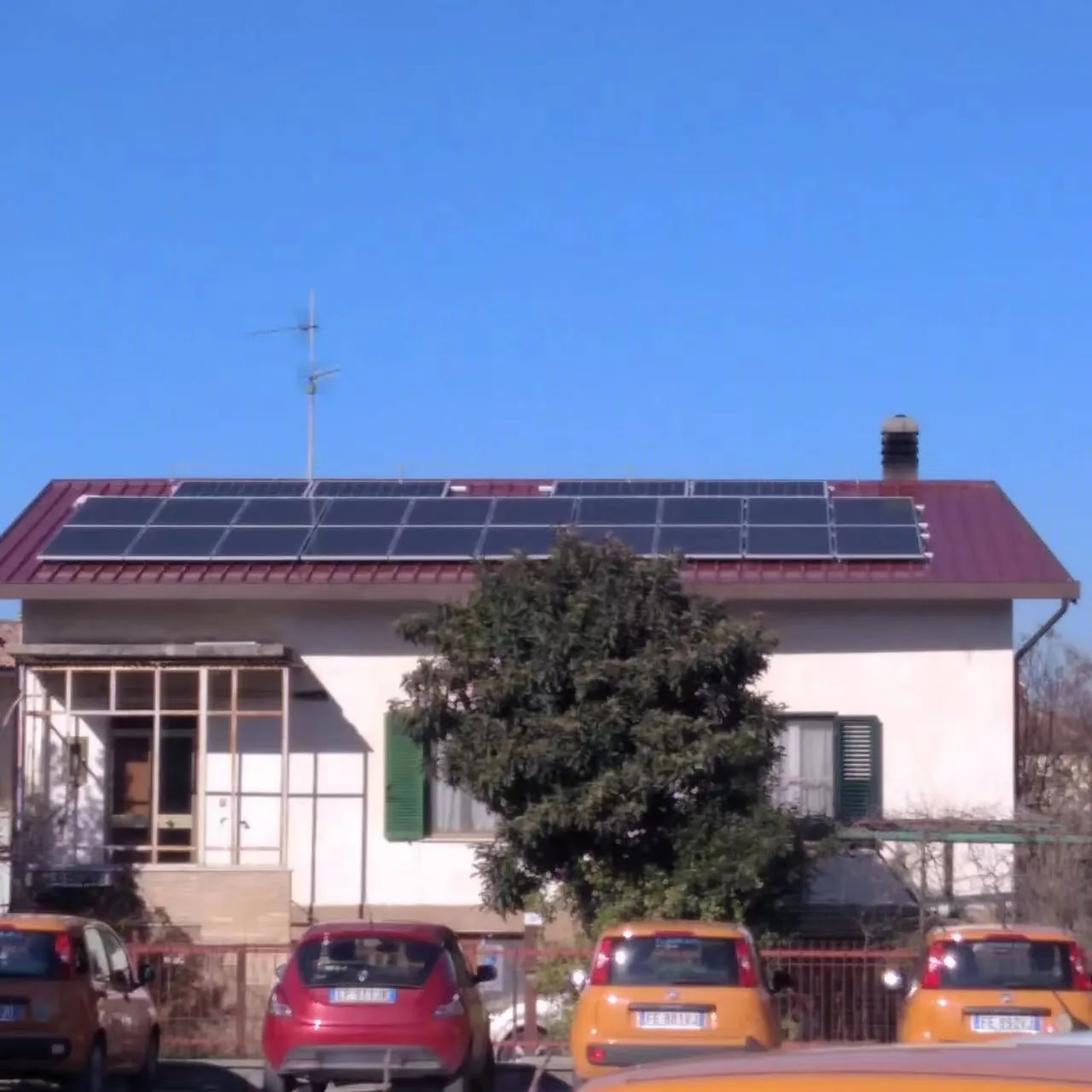
Before we compare residential and commercial costs, let's demystify what goes into a solar panel system. It's not just the panels themselves—though they're a big part of it. The total cost includes equipment (panels, inverters, mounting hardware), installation labor, permits and inspections, maintenance, and even post-installation support. For both homeowners and business owners, understanding these components is key to making an informed decision.
At Coloria, we believe transparency is the first step toward trust. That's why our solar solutions come with detailed cost breakdowns, no hidden fees, and a team ready to walk you through every line item. After all, a saudi arabia building materials supplier that's been in the game for decades knows: clear communication builds lasting partnerships.
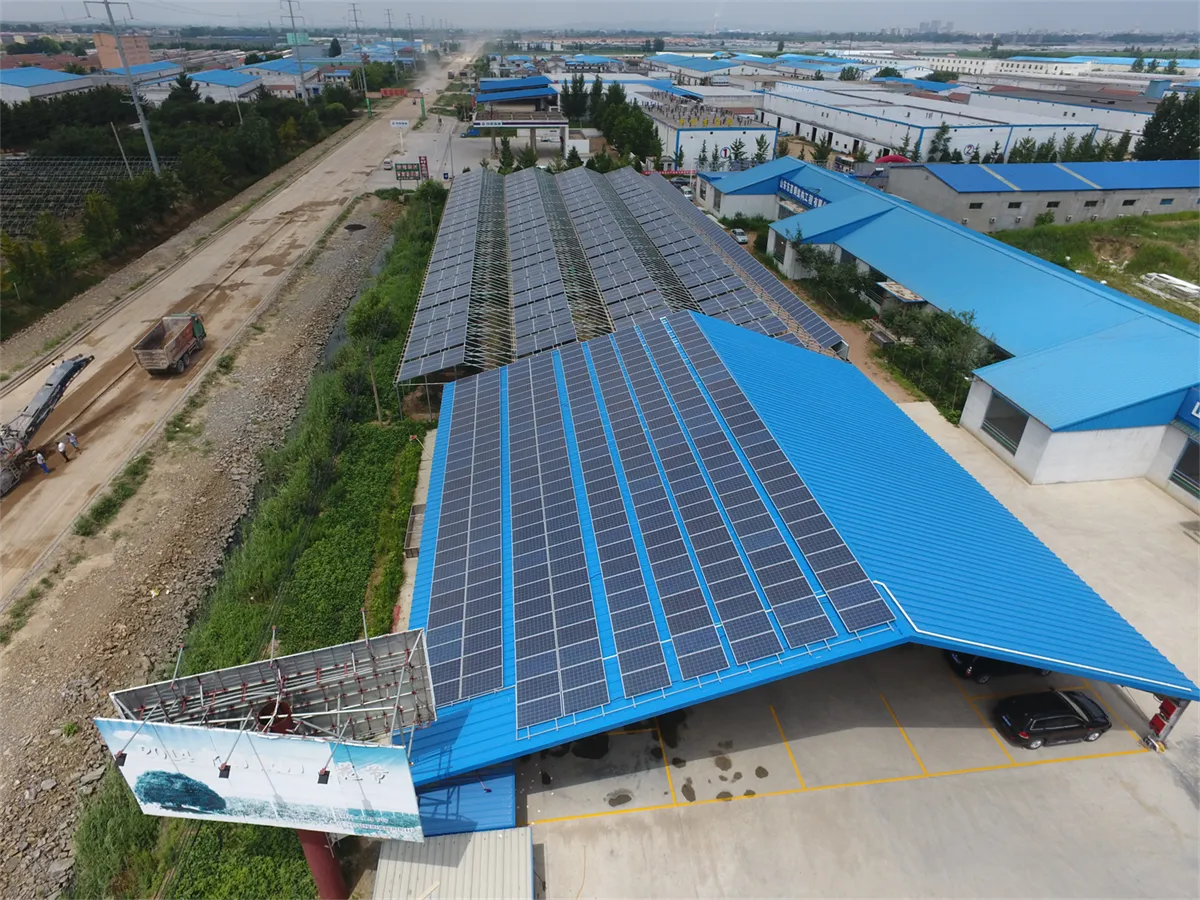
For most families, a residential solar system is a personal investment—one that balances upfront costs with long-term savings. In Saudi Arabia, where sunlight is abundant (averaging 8–10 hours daily), residential solar makes financial sense, but the price tag can still feel daunting. Let's break down what homeowners typically pay, and why.
A typical residential solar system in Saudi Arabia ranges from 3kW to 10kW, enough to power a 3–5 bedroom home. Here's a rough estimate of costs (as of 2025):
| System Size | Equipment Cost (SAR) | Installation Cost (SAR) | Permits & Fees (SAR) | Total Estimated Cost (SAR) | Estimated Payback Period |
|---|---|---|---|---|---|
| 3kW (Small Home) | 12,000 – 18,000 | 5,000 – 8,000 | 1,500 – 2,500 | 18,500 – 28,500 | 6–8 years |
| 5kW (Medium Home) | 20,000 – 30,000 | 8,000 – 12,000 | 2,000 – 3,000 | 30,000 – 45,000 | 5–7 years |
| 10kW (Large Home) | 40,000 – 60,000 | 15,000 – 20,000 | 3,000 – 4,000 | 58,000 – 84,000 | 4–6 years |
*Note: Costs include Coloria's standard solar panels (polycrystalline, 25-year warranty) and basic installation. Premium options (monocrystalline, battery storage) may increase costs by 20–30%.
Residential projects often face higher per-watt costs than commercial ones, and it boils down to scale and complexity:
Coloria's Residential Edge: As a residential building materials supplier , we don't just sell solar panels—we integrate them with your home's existing structure. Need a new roof before installation? We supply durable, solar-ready roofing materials. Want to match panels with your home's exterior? Our decorative profiles and façade solutions ensure your system looks as good as it performs. One call, one supplier, zero hassle.
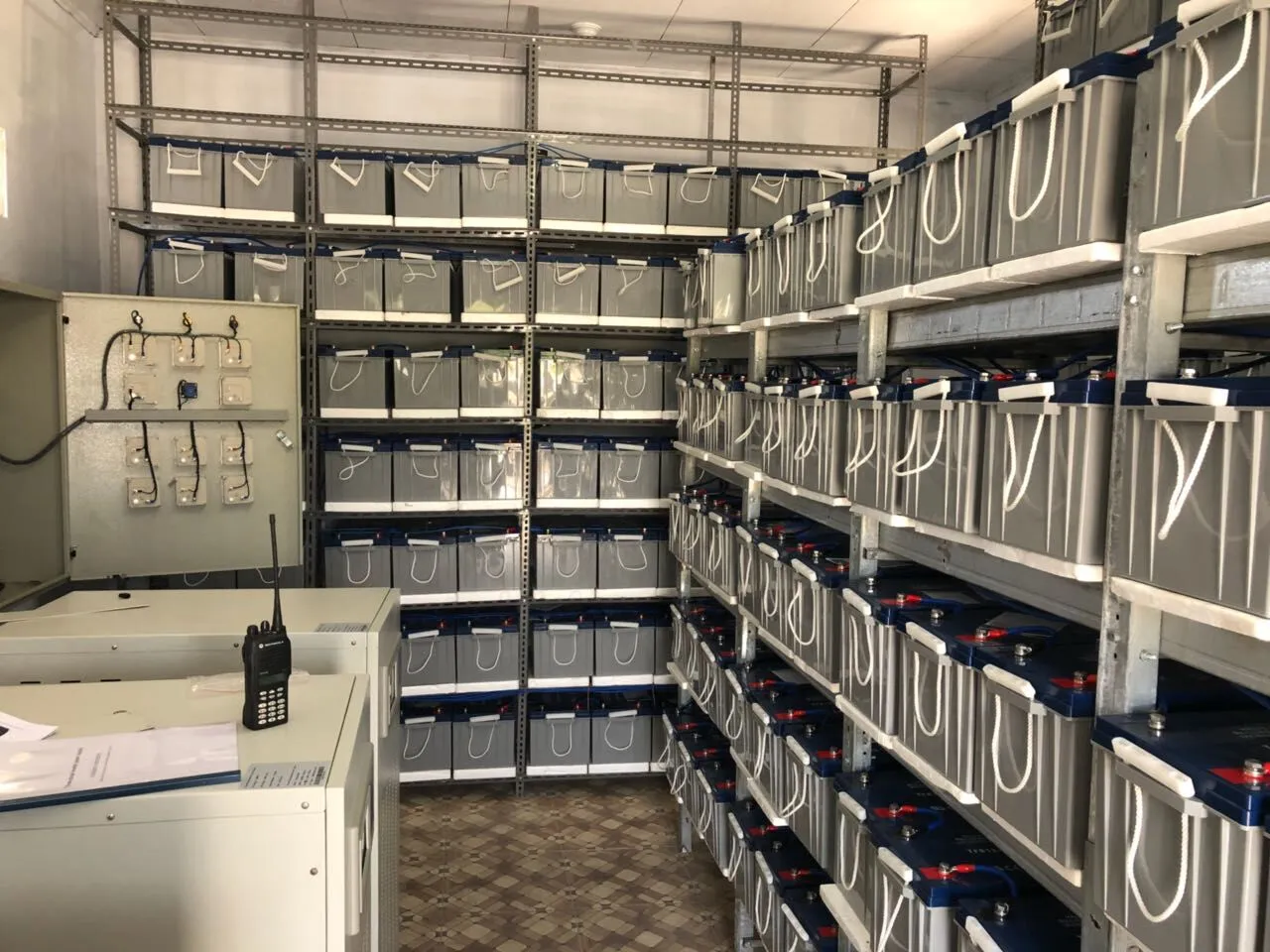
For businesses—whether a small retail store in Dammam or a sprawling industrial complex in Riyadh—commercial solar is a strategic investment. The upfront costs are higher, but the returns are faster, thanks to scale, tax incentives, and lower operational expenses. Let's unpack the numbers.
Commercial systems start at 20kW (small offices) and can exceed 1MW (factories, malls). Here's how costs stack up:
| System Size | Typical Application | Total Cost (SAR) | Cost Per Watt (SAR) | Estimated Annual Savings (SAR) | Payback Period |
|---|---|---|---|---|---|
| 20kW | Small Office/Retail | 80,000 – 120,000 | 4.0 – 6.0 | 15,000 – 25,000 | 4–5 years |
| 100kW | Medium Factory/Hotel | 350,000 – 500,000 | 3.5 – 5.0 | 70,000 – 100,000 | 3–4 years |
| 500kW+ | Large Industrial/Commercial Complex | 1.5M – 2.5M+ | 3.0 – 4.5 | 300,000 – 500,000+ | 2–3 years |
Businesses enjoy lower per-watt costs for one simple reason: scale. A 500kW system doesn't cost 50 times more than a 10kW system—it costs closer to 20–30 times more. Here's why:
Coloria's Commercial Expertise: As a commercial building materials supplier , we understand that businesses need more than panels—they need reliability. Our commercial-grade solar systems (monocrystalline, 30-year warranty) are built to withstand harsh Saudi summers and high energy demands. Plus, our global service network ensures 24/7 support, so downtime is never an option.
To truly understand the gap, let's compare a 10kW residential system and a 100kW commercial system side by side:
| Cost Factor | 10kW Residential (SAR) | 100kW Commercial (SAR) | Difference |
|---|---|---|---|
| Total System Cost | 58,000 – 84,000 | 350,000 – 500,000 | Commercial costs ~5x more, but per watt is 30% lower |
| Cost Per Watt | 5.8 – 8.4 SAR/W | 3.5 – 5.0 SAR/W | Commercial is 25–40% cheaper per watt |
| Installation Time | 1–3 days | 1–2 weeks | Longer timeline, but lower labor cost per day |
| Annual Maintenance | 1,000 – 1,500 SAR | 5,000 – 8,000 SAR | Commercial costs more, but scales with system size |
| Payback Period | 4–6 years | 3–4 years | Commercial recoups investment faster |
The takeaway? Commercial projects benefit from economies of scale, but residential systems offer a more accessible entry point for homeowners. The good news? Coloria specializes in making both accessible.
At Coloria, we don't believe in one-size-fits-all solutions. Whether you're a homeowner in Jeddah or a developer in Riyadh, we design solar systems that align with your budget, energy goals, and timeline. Here's how we do it:
We know homeowners want simplicity and certainty. That's why our residential solar packages include everything from design to installation to maintenance—no need to coordinate with multiple contractors. Key benefits:
Commercial clients need systems that grow with their business. Coloria's commercial solutions are modular, meaning you can start small and expand later—without overhauling your existing setup. Key advantages:
Case Study: Riyadh Retail Plaza
A 5,000 sq.m shopping center in Riyadh partnered with Coloria for a 200kW solar system. By combining solar panels with our energy-efficient LED lighting and insulation, they reduced electricity costs by 65% and achieved payback in just 3.2 years. Today, they're expanding to 500kW to power new retail spaces—all with Coloria's modular design.
What sets Coloria apart isn't just our solar expertise—it's our ability to integrate solar with every other aspect of your building project. As a one-stop architectural solution provider , we supply everything from solar panels to flooring, from windows to kitchen appliances. This means:
Whether you're building a home, a hotel, or a hospital, Coloria turns complex construction projects into streamlined success stories. Solar panels are just the beginning—we're with you every step of the way.
Residential or commercial, solar panel costs are about more than dollars and cents—they're about future-proofing your property, reducing reliance on fossil fuels, and contributing to a greener Saudi Arabia. With Coloria, you're not just buying panels; you're partnering with a team that understands your unique needs and has the expertise to turn your solar goals into reality.
Ready to take the next step? Contact our solar specialists today for a free consultation. Let's build a brighter, more sustainable future—one panel at a time.
Recommend Products












