
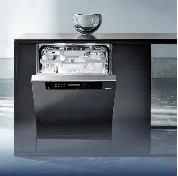
Hey there! If you're shopping for a dishwasher, you've probably noticed they're not all created equal. Some are whisper-quiet countertop buddies perfect for your apartment kitchen, while others look like they could handle an army's worth of plates after a big banquet. That's because residential and commercial dishwashers live in completely different worlds with distinct purposes and capabilities.
Today we're breaking down these kitchen workhorses in everyday language – no technical jargon allowed! Whether you're outfitting a cozy Airbnb or running a bustling café, understanding these differences is crucial. We'll explore why that $500 home model won't cut it in a busy restaurant kitchen, and why you wouldn't want a giant commercial monster rumbling away in your apartment.
First up, let's talk about how these machines actually perform . Residential dishwashers? They're like careful artists – they take their time (anywhere from 90 minutes to 3 hours per cycle) using gentler water pressure and lower temperatures around 140-150°F. They're designed to clean everyday dishes without damaging your grandma's fine china.
Commercial models? Total beasts. Picture this: a packed stainless-steel unit blasting dishes with 180°F water at jet-engine pressure, finishing a full cycle in under 90 seconds flat. One restaurant-grade machine can easily handle 200 racks per hour – try getting your kitchen appliance at home to do that!
| Performance Factor | Residential Dishwashers | Commercial Dishwashers |
|---|---|---|
| Cycle Time | 90-180 minutes | 60-90 seconds |
| Water Temperature | 140-150°F | 160-180°F |
| Water Usage Per Cycle | 3-6 gallons | 1-2 gallons |
| Cleaning Method | Rotating spray arms | High-pressure jets |
Fun fact: Commercial units use less water per cycle than residential ones despite being powerhouses. Their secret? Super-focused, high-pressure blasts versus the residential "rain shower" approach. But don't try washing wine glasses in an industrial machine – they'll come out looking like abstract art!
Let's get real about size and capacity. Your home dishwasher probably holds 12-16 place settings – perfect for last night's dinner plates plus today's breakfast bowls. Commercial models? They think in terms of racks per hour.
Pro Tip: That stunning stone countertop or premium kitchen countertop cabinets you're installing? Measure twice before choosing any dishwasher! Commercial units often require custom cabinetry solutions.
Ever seen restaurant staff slide racks through a metal tunnel? That's a conveyor dishwasher – they can process over 2,000 dishes hourly. Even the smallest under-counter commercial unit handles twice what a large residential model can, and does it fast .
But here's the tradeoff: Residential models win at flexibility. Adjustable racks, silverware baskets, stemware holders – all designed for your unique serving platters and oversized coffee mugs. Commercial units are like "one-size-fits-all" with standardized racks where your grandma's gravy boat just won't fit comfortably.
If residential dishwashers were cars, they'd be reliable sedans – good for 8-10 years with proper care. Commercial models? They're bulldozers. Built with stainless steel bodies, commercial-grade pumps, and extra insulation, these machines clock 10-15 hours daily and last 10+ years in harsh environments.
Why the difference?
Try running bleach through your home dishwasher? You'd likely melt the plastic components. Commercial units thrive on industrial chemistry. They're also built like tanks physically – weighing 3-5 times more than residential units. Good luck trying to move one without a forklift!
That cute apartment dishwasher? Plugs into standard outlet, hooks to kitchen faucet if portable. Commercial installs require dedicated 220V circuits, industrial water lines, and commercial drain hookups. Not a DIY weekend project!
Ever stood beside a commercial dishwasher during peak hours? They range from "loud conversation" (65 dB) to "jet engine" (85 dB). Residential units are library-quiet (40-50 dB) in comparison.
You know that $500-$1,200 sweet spot for home models? Commercial entry-level units start at $2,500 and quickly climb to $10,000+. But consider this: A restaurant replacing manual washing could save $25,000/year in labor – making it an investment rather than an appliance purchase.
Here's the real talk breakdown:
Choose RESIDENTIAL if: You're doing home use (even a large family), occasional dinner parties, short on space, or need quiet operation. Perfect for kitchen countertop cabinets in apartments or houses.
Choose COMMERCIAL if: You're washing 200+ items daily, operating a food business, need medical-grade sanitation, or hate waiting for dishes. Essential for restaurants, catering halls, or large event spaces.
⚡ Maintenance Insight: Residential units need monthly cleaning, while commercial models demand daily maintenance – draining water tanks, cleaning filters, decalcifying nozzles. Neglect this, and $10,000 machine becomes a stainless-steel paperweight!
We're starting to see blur between categories with "prosumer" models – residential machines with commercial features like stainless tubs or faster cycles. Smart features like auto detergent dispensing and maintenance alerts are trickling down too.
But fundamentally, these two worlds remain separate for good reason. One protects your favorite mug while you binge Netflix, the other keeps health inspectors happy during dinner rush. Choose wisely based on your actual needs , not just specs or price tags!
Final thought: That sleek built-in residential model could elevate your home's value and make your kitchen appliance truly shine. Meanwhile, choosing the right commercial unit affects your staff's sanity and your profit margin. Know the difference, and you'll never stare at dirty dishes with dread again.
Recommend Products












