Picture this: It's a rainy Sunday morning, and you're cozied up with a cup of coffee, planning a lazy day. Suddenly, you hear a faint drip-drip-drip from the basement. You ignore it at first—maybe just a loose faucet? But by noon, that drip has turned into a steady leak, soaking the carpet and sending you into a panic. You call a plumber, who arrives hours later, shakes their head, and says, "These old galvanized pipes are corroded through. You're looking at a full replacement." Sound familiar? For many homeowners, plumbing problems feel like an unavoidable headache—until they discover the right materials that turn "uh-oh" moments into "no problem" scenarios. That's where
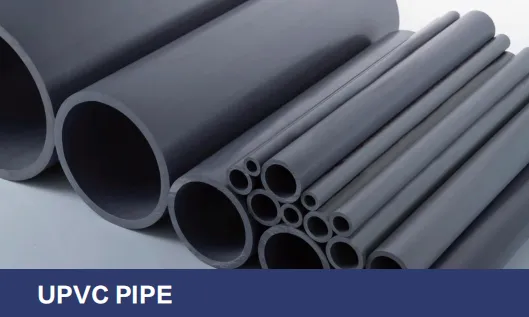
UPVC pipe solutions come in, quietly transforming how we build and maintain the lifelines of our homes.
The Heart of the Home: Why Plumbing Matters More Than You Think
Plumbing is the unsung hero of modern living. It delivers clean water for your morning shower, washes away the dishes after dinner, and keeps your home dry and hygienic. Yet, we rarely give it a second thought—until something goes wrong. A burst pipe can flood a room in minutes, a clogged drain can turn a simple sink into a stagnant mess, and outdated materials can leach contaminants into your water supply. For homeowners, the stakes are high: plumbing issues cost an average of $1,000–$4,000 to fix, not counting the stress of disrupted daily life. The key to avoiding these headaches? Choosing the right pipes and fittings from the start. And in today's market, UPVC (Unplasticized Polyvinyl Chloride) has emerged as a game-changer for residential plumbing and drainage systems.
What Is UPVC, and Why Is It Taking Over Residential Plumbing?
Let's start with the basics: UPVC is a rigid, durable plastic material made by polymerizing vinyl chloride monomers without adding plasticizers. Unlike regular PVC (which can be flexible and soft), UPVC is stiff, strong, and built to withstand pressure—making it ideal for carrying water and waste in homes. Think of it as the reliable workhorse of the plumbing world: it doesn't need a lot of attention, but it gets the job done, day in and day out.
But why has UPVC become so popular in residential settings? It boils down to one simple truth: homeowners want solutions that last. Traditional materials like galvanized steel or copper have their merits, but they come with trade-offs. Steel rusts, copper corrodes, and both are heavy and expensive to install. UPVC, on the other hand, was designed to address these pain points. It's lightweight, resistant to corrosion, and affordable—all while offering a lifespan that outmatches many alternatives. For families building a new home or renovating an old one,
UPVC pipe solutions check all the boxes: reliability, cost-effectiveness, and peace of mind.
The Top Benefits of UPVC for Your Home's Plumbing
Let's break down why UPVC has become a favorite among homeowners and plumbers alike. These benefits aren't just technical—they directly impact your daily life, your wallet, and the long-term health of your home.
-
Durability that Stands the Test of Time
: UPVC pipes can last 50 years or more with proper installation. Unlike metal pipes, they don't rust, corrode, or degrade when exposed to water, chemicals, or soil. That means no more replacing pipes every 15–20 years—a huge relief for anyone who's ever dealt with a surprise plumbing bill.
-
Lightweight and Easy to Install
: Ever tried lifting a 10-foot length of copper pipe? It's not fun. UPVC pipes are significantly lighter, making them easier to transport, handle, and install. This reduces labor costs and speeds up projects—so you can get back to normal life faster, whether you're building a new home or fixing a leak.
-
Smooth Flow, Fewer Clogs
: The inner surface of UPVC pipes is incredibly smooth, which means water and waste flow freely without getting stuck. This is a game-changer for drains and DWV (Drain, Waste, Vent) systems, where clogs are a common frustration. Say goodbye to plungers and chemical drain cleaners!
-
Corrosion Resistance for Clean Water
: UPVC doesn't react with water, salts, or most chemicals, so it won't leach harmful substances into your drinking water. This is especially important for families with young children or anyone concerned about water quality. Unlike metal pipes, which can develop rust or scale buildup, UPVC keeps water pure and clean.
-
Quiet Operation
: Metal pipes are notorious for "water hammer"—that loud banging noise when you turn off a faucet quickly. UPVC absorbs sound better, resulting in quieter plumbing. No more jumping at sudden clangs in the middle of the night!
-
Eco-Friendly and Recyclable
: UPVC is 100% recyclable, and its production uses less energy than metal pipes. Plus, since it lasts longer, there's less waste from replacements. For environmentally conscious homeowners, this is a big win.
UPVC vs. PVC DWV: Knowing the Right Pipe for the Job
When researching
UPVC pipe solutions, you'll likely come across another term: PVC DWV. While both are types of plastic pipes, they serve different purposes in your home's plumbing system. Understanding the difference can help you make smarter choices during construction or renovation.
UPVC Pipes
are designed for pressurized systems, such as your home's main water supply lines. They're strong enough to handle the pressure of water being pumped from the municipal supply or a well into your faucets, showers, and appliances. UPVC is often used for cold water lines, and some varieties are rated for hot water (check the manufacturer's specifications!).
PVC DWV Pipes
, on the other hand, are for non-pressurized systems: drains, waste pipes, and vents. These pipes rely on gravity to move water and waste away from your home, so they don't need to withstand high pressure. Instead, they're designed to be lightweight, easy to slope (for proper drainage), and resistant to the chemicals found in household waste (like soap, detergents, and even the occasional food scrap).
Think of it this way: UPVC is like the highway for your home's water supply—built to carry water under pressure efficiently. PVC DWV is the scenic route for waste—reliable, low-maintenance, and focused on keeping things flowing smoothly without stress. Both are essential, and both fall under the umbrella of effective residential plumbing solutions.
Pipes and Fittings: The Dynamic Duo of Plumbing
Pipes get all the attention, but the truth is, your plumbing system is only as good as its fittings. Fittings are the connectors, elbows, tees, and valves that join pipes together, redirect water flow, and control pressure. Without quality
pipes fittings solutions, even the best pipes can leak, crack, or fail prematurely.
When it comes to UPVC and PVC DWV systems, fittings are typically made from the same material as the pipes. This ensures compatibility—no mismatched materials that could cause leaks or corrosion. For example, a UPVC elbow fitting will form a tight seal with a UPVC pipe, creating a seamless connection that can withstand years of use. Similarly, PVC DWV tees and couplings are designed to handle the specific demands of waste systems, with smooth bends that prevent clogs.
One common mistake homeowners make is skimping on fittings to save money. It's tempting to buy generic, off-brand fittings, but this can backfire. Poorly made fittings may have uneven threads, weak joints, or inconsistent sizing—all of which increase the risk of leaks. Investing in high-quality
pipes fittings solutions means fewer repairs, less water damage, and more confidence in your plumbing system. After all, a leaky fitting under your sink might seem small, but over time, it can lead to mold, rot, and costly repairs. Why take the risk?
UPVC vs. Traditional Materials: A Homeowner's Guide
Still on the fence about whether UPVC is right for your home? Let's compare it to traditional plumbing materials to see how it stacks up. This table breaks down the key factors that matter most to homeowners: cost, durability, installation, and maintenance.
|
Material
|
Typical Lifespan
|
Installation Difficulty
|
Maintenance Needs
|
Cost (Per Linear Foot)
|
Best For
|
|
UPVC
|
50+ years
|
Easy (lightweight, glued or threaded)
|
Low (no rust, scale, or corrosion)
|
$0.50–$2.00
|
Cold water supply, drainage, DWV systems
|
|
Copper
|
20–50 years
|
Hard (requires soldering, heavy)
|
Moderate (prone to corrosion in acidic water)
|
$2.00–$5.00
|
Hot water supply, high-end homes
|
|
Galvanized Steel
|
20–50 years
|
Hard (heavy, requires threading)
|
High (rusts, clogs with scale buildup)
|
$1.50–$4.00
|
Older homes (rarely used in new construction)
|
|
PVC DWV
|
50+ years
|
Easy (lightweight, glued joints)
|
Low (resistant to waste chemicals)
|
$0.40–$1.50
|
drains, waste, and vent systems
|
As you can see, UPVC and PVC DWV stand out for their longevity, ease of installation, and low maintenance. While copper may have a reputation for durability, it's more expensive and harder to install. Galvanized steel, once a staple, is now outdated due to its tendency to rust and clog. For most homeowners, UPVC and PVC DWV offer the best balance of performance, cost, and peace of mind.
Real-Life Stories: How UPVC Changed These Homeowners' Lives
Don't just take our word for it—hear from homeowners who switched to UPVC and PVC DWV solutions and never looked back.
"We bought a 1970s fixer-upper last year, and the plumbing was a disaster. The galvanized steel pipes were rusted, and we had a leak under the kitchen sink every few months. Our plumber recommended replacing everything with UPVC, and we were hesitant at first—we thought plastic pipes might be flimsy. But now, a year later, we haven't had a single leak. The water pressure is better, our bills are lower (no more wasted water!), and we finally have peace of mind. Best home improvement decision we made!"
— Maria, homeowner in Riyadh
"As a first-time homebuyer, I wanted to make sure every part of my new house was built to last. When the contractor suggested PVC DWV for the drains, I did my research and was impressed by how durable and low-maintenance it is. A year in, I've never had a clogged drain—even with my kids' long hair and the occasional toy that ends up in the tub! The plumber said the smooth inner surface of the PVC DWV pipes is the reason, and I'm sold. No more late-night plunger battles for me!"
— Ahmed, first-time homeowner in Jeddah
Choosing the Right Supplier: Your Partner in Plumbing Success
Now that you know why UPVC and PVC DWV are great for residential plumbing, the next step is finding a reliable supplier. After all, even the best materials are only as good as the company that provides them. A reputable supplier won't just sell you pipes and fittings—they'll offer expertise, support, and quality assurance that makes your project run smoothly.
When shopping for
upvc pipe solutions or
pvc dwv pipe solutions, look for suppliers who:
-
Offer Certified Products
: Check for certifications like ISO, which ensure the pipes and fittings meet international quality standards. This is especially important for water supply pipes, which need to be safe for drinking water.
-
Provide Technical Support
: A good supplier will have knowledgeable staff who can help you choose the right pipes and fittings for your project. Whether you're installing a new bathroom or replacing old pipes, they should be able to answer questions about sizing, pressure ratings, and installation best practices.
-
Stand Behind Their Products
: Look for suppliers who offer warranties on their products. This shows they believe in the quality of what they sell and will support you if something goes wrong.
-
Have a Wide Range of Options
: From different pipe diameters to specialized fittings, a diverse product line means you can get everything you need from one place—saving time and hassle.
Remember, your supplier is more than just a vendor—they're a partner in building a home that's comfortable, safe, and functional. Taking the time to find a supplier who understands your needs and offers quality
upvc pipe solutions and
pvc dwv pipe solutions will pay off for years to come.
Maintaining Your UPVC Plumbing: Simple Tips for Longevity
One of the best things about UPVC and PVC DWV systems is how little maintenance they require. But that doesn't mean you can set it and forget it. A little care goes a long way in ensuring your plumbing system lasts for decades.
Inspect Regularly
: Check exposed pipes for signs of damage, like cracks, discoloration, or leaks. Pay extra attention to areas under sinks, in basements, and around water heaters—these are common spots for issues to start.
Clean Drains Gently
: Avoid using harsh chemical drain cleaners, which can damage pipes over time. Instead, use a plunger or a drain snake to clear clogs. For regular maintenance, pour a mixture of baking soda and vinegar down the drain, followed by hot water—this breaks up minor clogs and keeps pipes smelling fresh.
Protect Pipes in Cold Weather
: While UPVC is resistant to temperature changes, extreme cold can still cause water inside pipes to freeze and expand, leading to cracks. In cold climates, insulate exposed pipes with foam sleeves to prevent freezing.
Avoid Physical Damage
: Be careful when drilling into walls or floors—know where your pipes are to avoid puncturing them. Also, don't hang heavy items from pipes, as this can strain joints and cause leaks.
By following these simple tips, you can keep your UPVC and PVC DWV systems in top shape for decades. No fancy tools, no expensive treatments—just common sense and a little attention.
Final Thoughts: Plumbing Peace of Mind
At the end of the day, your home's plumbing system is about more than just pipes and water—it's about comfort, convenience, and peace of mind. When your plumbing works, you can focus on the things that matter: family dinners, lazy Sundays, and making memories. When it doesn't, it's a source of stress, expense, and frustration.
UPVC and
PVC DWV pipe solutions offer a simple, effective way to build a plumbing system that you can rely on. From their durability and low maintenance to their affordability and eco-friendliness, these materials are designed to make your life easier. And when paired with quality
pipes fittings solutions and a trusted supplier, they become the foundation of a home that works for you, not against you.
So, the next time you turn on the faucet or flush the toilet, take a moment to appreciate the quiet work of your plumbing system. And if you're building a new home or renovating an old one, consider UPVC and PVC DWV. They might not be the most glamorous part of home improvement, but they're one of the most important. After all, a home with great plumbing is a home where life flows smoothly—just like the water through its pipes.