
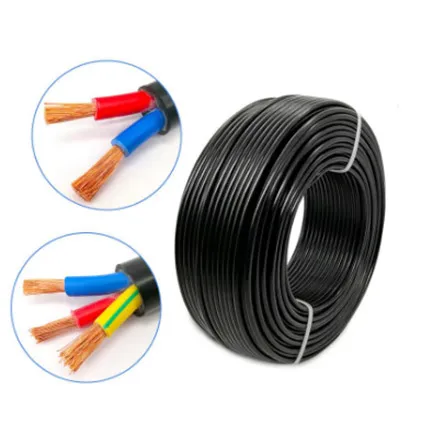
When you're building or renovating a home, there are a million little details to think about—from the color of the walls to the type of flooring. But if there's one thing that often gets overlooked (until something goes wrong), it's the cables running through the walls, floors, and ceilings. These unsung heroes are like the nervous system of your home, carrying electricity, data, and even TV signals to every corner. Get them right, and your home runs smoothly; get them wrong, and you could be dealing with flickering lights, slow internet, or worse, safety hazards. Let's dive into the world of residential construction cables, break down the different types you'll encounter, and help you figure out which ones are right for your project.
Before we get into the specifics, let's take a second to appreciate just how critical cables are in modern homes. Think about it: your smart fridge, your home theater system, your Wi-Fi router, even the lights in your closet—none of these work without the right cables. And it's not just about functionality. Poorly chosen or installed cables can lead to overheating, short circuits, or even electrical fires. On the flip side, choosing the right cables from the start can save you time, money, and headaches down the line, especially as homes become more connected with smart devices and energy-efficient systems.
That's where working with a reliable cables supplier comes in. The best suppliers don't just hand you a spool of wire and send you on your way—they understand the unique needs of residential projects, from small apartments to large family homes, and can guide you toward products that balance performance, safety, and budget. And if you're already juggling multiple materials for your build (like flooring, fixtures, and appliances), a one-stop architectural solution provider can make your life infinitely easier by bundling cables with other electrical and building supplies. No more coordinating with five different vendors—just one point of contact for all your needs.
Before we jump into types, let's cover the basics of what a cable is made of. Most residential cables have three main parts: the conductor (usually copper or aluminum, which carries the electricity or signal), the insulation (a protective layer that keeps the conductor from touching other materials and causing short circuits), and the jacket (an outer layer that shields the cable from physical damage, moisture, or heat). The materials and design of these parts determine the cable's purpose, so keep that in mind as we go through the different types.
Not all cables are created equal. Some are built for carrying high-voltage electricity to your oven, while others are designed to transmit data for your streaming services. Let's break them down by their most common uses in residential settings.
Power cables are what keep the lights on and your devices charged. They're rated by their ampacity (how much current they can carry safely) and their resistance to environmental factors like heat and moisture. Here are the ones you'll see most often in homes:
| Cable Type | Key Features | Best For | Why It Matters |
|---|---|---|---|
| THHN/THWN-2 | Thermoplastic insulation, heat-resistant (up to 90°C dry, 75°C wet), nylon jacket for durability | General indoor wiring (outlets, switches, lighting), conduit installations | The most versatile power cable—you'll probably use this for 90% of your home's electrical needs. The nylon jacket makes it easy to pull through conduit without damaging the insulation. |
| NM-B (Non-Metallic Sheathed Cable) | Two or more insulated conductors, bare ground wire, outer PVC jacket (no metal armor) | Dry indoor areas (walls, ceilings, floors) where conduit isn't required (common in North American homes) | Often called "Romex" (a brand name), this is the go-to for most residential wiring. It's flexible, easy to install, and affordable—great for standard outlets and lighting circuits. |
| UF-B (Underground Feeder Cable) | Waterproof PVC jacket, sunlight-resistant, can be buried directly in soil | Outdoor wiring (landscape lights, pool pumps, detached garages), underground runs | If you're installing a patio heater or outdoor outlet, UF-B is your friend. Its tough jacket stands up to rain, dirt, and even rodent bites (mostly). |
| MC (Metal-Clad Cable) | Insulated conductors wrapped in a flexible metal armor (aluminum or steel) | Areas with high risk of physical damage (garages, basements, crawl spaces), or where fire resistance is needed | The metal armor acts as both a protective layer and a ground, making it safer in rough environments. It's a bit stiffer than NM-B, but worth it for added durability. |
When choosing power cables, always check the National Electrical Code (NEC) or local building codes for ampacity requirements. For example, a 15-amp circuit (common for lighting) can use 14-gauge THHN wire, but a 20-amp circuit (for outlets in kitchens or bathrooms) needs 12-gauge. Using a wire that's too thin for the current can cause overheating—definitely not something you want to skimp on.
In today's world, a home without reliable data cables is like a home without running water. These cables carry internet, TV, and phone signals, and their performance directly impacts how smoothly your smart home runs. Here are the key players:
Ethernet cables are the backbone of your home network. Even if you use Wi-Fi, critical devices like routers, smart TVs, and gaming consoles often perform better with a wired connection. The "Cat" (Category) number tells you the cable's speed and bandwidth:
You might recognize coaxial cable from the old days of cable TV, but it's still relevant today. It has a central copper conductor surrounded by a metal shield, which helps block interference. Coaxial is used for cable TV, satellite dishes, and some internet connections (like cable modems). Most residential installs use RG-6 coaxial, which is thicker and has better signal quality than the older RG-59.
Fiber optic cables are the new kids on the block, and they're changing the game for home internet. Instead of copper, they use thin strands of glass or plastic to transmit data via light signals, which means faster speeds (up to 10 Gbps or more) and less interference. While fiber is more expensive to install than Ethernet or coaxial, many new homes are pre-wiring with fiber to the room (FTTR) to support future high-speed internet needs. If you're building a home that'll be your forever home, fiber is a smart investment.
Some cables are designed for very specific jobs in residential construction. You might not need all of these, but it's good to know they exist:
With so many options, how do you pick the right cable? Start by asking yourself these questions:
Remember, you don't have to navigate this alone. A one-stop architectural solution provider can pull in experts from electrical, construction, and design teams to ensure your cable choices align with your overall project goals. For example, if you're building a sustainable home with solar panels (another area many suppliers specialize in), they can recommend cables that work seamlessly with your renewable energy system, ensuring efficiency and safety.
Even the best cables won't perform well if they're installed poorly. Here are a few tips to keep in mind:
Now that you know the ins and outs of residential construction cables, let's talk about why partnering with the right supplier matters. Coloria, a leading electrical fixtures & cables supplier and one-stop solution provider, brings decades of experience to the table—especially in markets like Saudi Arabia, where they've built a reputation for reliability and expertise. Here's what sets them apart:
Coloria doesn't stop at cables. They offer a full range of electrical fixtures, from lighting to switches to circuit breakers, so you can bundle all your electrical needs in one order. This not only saves time but ensures compatibility—no more worrying if your cables will work with your chosen outlets or appliances. It's the definition of "one-stop shopping."
With a presence in Saudi Arabia and deep roots in the Middle East market, Coloria understands the unique challenges of residential construction in the region, from climate considerations (high heat and humidity) to local building codes. They source cables and electrical products that are built to withstand the environment, ensuring longevity and safety in your home. And because they're part of a global network, they have access to top-tier brands and cutting-edge technologies, so you're never limited to outdated options.
Coloria's team doesn't just sell products—they partner with you to make your project a success. Whether you're a homeowner building your dream house or a contractor managing multiple jobs, their experts can help you select the right cables for each room, calculate quantities to avoid waste, and even coordinate delivery to align with your construction timeline. It's this attention to detail that turns a good supplier into a great one.
Residential construction cables might not be the most glamorous part of building a home, but they're undeniably one of the most important. They power your daily life, connect you to the world, and keep your family safe. By understanding the different types, knowing what to look for when choosing, and partnering with a trusted cables supplier or one-stop architectural solution provider , you can ensure your home's "nervous system" is strong, reliable, and ready for whatever the future brings.
So the next time you're planning a home build or renovation, don't overlook the cables. Invest the time to learn about your options, ask questions, and work with a supplier who has your back. Your future self—sitting in a well-lit, high-speed, hassle-free home—will be glad you did.
Recommend Products












