
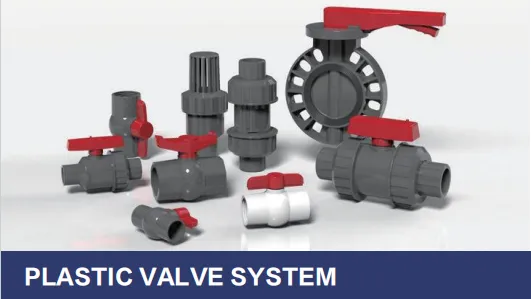
Building a home is more than just erecting walls and laying a roof—it's about crafting a space that feels safe, functional, and truly yours. Behind the paint colors and hardwood floors lies a network of unseen systems that keep daily life running smoothly, and few are as critical as plumbing. Think of it as the home's circulatory system: water flows in, waste flows out, and every drop is controlled by a silent hero—valves. In modern residential construction, plastic valve systems have emerged as the backbone of this essential infrastructure, and the right plastic valve system supplier does more than deliver products—they deliver peace of mind.
At its core, a plastic valve system is a collection of components designed to regulate, direct, and control the flow of liquids (and sometimes gases) within a plumbing network. These systems include valves of various types, along with compatible pipes, fittings, and connectors—all engineered to work together seamlessly. In homes, they manage everything from the water that fills your morning shower to the pressure that powers your dishwasher, and even the prevention of backflow that could contaminate your drinking water.
What makes plastic valve systems so integral to today's homes? Unlike traditional metal valves, modern plastic alternatives are lightweight, corrosion-resistant, and tailored to the unique demands of residential spaces. They're the quiet conductors of a home's most vital resource: water. And when paired with the right upvc pipe supplier or ppr pipe and fitting supplier, they form a plumbing system that's built to last, even in the humid, temperature-fluctuating environments of kitchens, bathrooms, and basements.
Not all valves are created equal. Each type is designed for specific tasks, from shutting off water to a single fixture to regulating pressure across an entire home. Below is a breakdown of the most common plastic valves found in residential projects, along with their typical applications and benefits:
| Valve Type | Common Materials | Typical Residential Application | Key Benefits |
|---|---|---|---|
| Ball Valves | UPVC, PPR | Main water lines, under-sink shutoffs, | Quick on/off control, leak-proof seal, durable for frequent use |
| Gate Valves | UPVC, PVC-U | Basement main shutoffs, irrigation systems | Full flow capacity, minimal pressure drop when fully open |
| Check Valves | PEX, PPR | Hot water heaters, sump pumps, washing machines | Prevents backflow, protects appliances from water hammer |
| Globe Valves | UPVC, CPVC | Shower systems, faucets, HVAC radiant heating | Precise flow control, ideal for regulating temperature/pressure |
| Butterfly Valves | PVC, UPVC | Large-diameter pipes (e.g., rainwater harvesting systems) | Compact design, easy to operate, cost-effective for high flow |
A reputable plastic valve system supplier will stock a range of these options, ensuring builders and homeowners can find the perfect fit for every corner of the home. For example, a ball valve from a plastic valve system supplier might be used to shut off water to a kitchen sink, while a check valve from the same supplier prevents hot water from flowing back into the cold water line of a shower—keeping temperatures safe and consistent.
It's natural to associate plumbing with metal—copper pipes and brass valves have been around for decades. But as homes have evolved, so have the materials that build them. Plastic valve systems offer a host of advantages that make them better suited to the demands of 21st-century living:
Homes are humid places. Bathrooms steam up, kitchens splash water, and basements can feel damp year-round. Metal valves, especially iron or steel, are prone to rust in these environments. Over time, rust weakens the valve, leading to leaks, reduced water pressure, and even contamination. Plastic valves, made from materials like UPVC or PPR, are immune to corrosion. They won't rust, pit, or degrade—even when exposed to moisture 24/7.
Imagine hauling a heavy brass valve up a flight of stairs to install in a second-floor bathroom. Now imagine lifting a plastic valve of the same size—it's often half the weight. This lightness isn't just a convenience for installers; it also reduces stress on the home's structure. Metal plumbing systems add significant weight to walls and floors, especially in multi-story homes. Plastic systems ease that burden, making them ideal for modern, energy-efficient builds with thinner wall frames.
Building a home is expensive, and every dollar counts. Plastic valve systems are typically more affordable than their metal counterparts, without sacrificing performance. This cost savings extends beyond the initial purchase: plastic valves are easier to install, reducing labor time, and require less maintenance over their lifespan (no need for anti-rust treatments or frequent replacements). For budget-conscious homeowners or large-scale developments, this makes plastic valve system solutions a smart financial choice.
Modern plastics used in valve systems are rigorously tested to ensure they're safe for potable water. They won't leach harmful chemicals into drinking water, even when exposed to chlorine or other treatment additives. This is especially important for families with young children or anyone concerned about water quality. Additionally, plastic valves resist damage from common household chemicals, like the cleaning agents that might accidentally spill under a sink—a benefit metal valves can't always match.
A plastic valve system supplier isn't just a vendor—they're a partner in building better homes. The best suppliers understand that residential construction is full of unique challenges, and they offer solutions that go far beyond selling valves. Here's how they add value:
No two homes are identical. A sprawling suburban house with a finished basement has different plumbing needs than a compact urban townhome. A top-tier plastic valve system supplier works with builders to customize solutions, whether that means adjusting valve sizes to fit tight spaces (like a narrow bathroom vanity) or recommending specific valve types for high-pressure areas (like a master shower with multiple heads). They'll even coordinate with upvc pipe suppliers or ppr pipe and fitting suppliers to ensure all components are compatible, eliminating the risk of leaks or inefficiencies.
Plumbing can be complex, especially in homes with advanced features like radiant floor heating or rainwater harvesting systems. A reputable supplier doesn't just hand over a box of valves—they provide technical support. This might include on-site consultations to map out plumbing routes, training for contractors on proper installation techniques, or access to engineers who can answer questions about pressure ratings or material compatibility. For example, if a builder is unsure whether to use PEX or PPR valves for a radiant heating system, a knowledgeable plastic valve system supplier will explain the pros and cons of each, ensuring the right choice for the home's needs.
When it comes to plumbing, "good enough" isn't enough. A reliable plastic valve system supplier subjects their products to rigorous testing, ensuring they meet industry standards for durability, pressure resistance, and safety. Look for suppliers whose valves carry certifications like NSF/ANSI (for potable water safety), ASTM (for material strength), or ISO (for manufacturing quality). These certifications aren't just labels—they're proof that the valves will perform as promised, even under the stress of daily use.
Coordinating with multiple suppliers—one for valves, another for pipes, a third for fittings—can slow down a project and increase the risk of compatibility issues. The best plastic valve system suppliers act as one-stop shops, offering not just valves but also pipes (from trusted upvc pipe suppliers), fittings (including those from ppr pipe and fitting suppliers), and accessories like connectors and sealants. This streamlines the procurement process, reduces delays, and ensures all components are designed to work together seamlessly.
Plastic valve systems are versatile, finding their way into nearly every room of the house. Let's take a tour of a typical home and explore how these systems make daily life possible:
The kitchen is a plumbing hub, with more fixtures and appliances than any other room. Under the sink, ball valves from a plastic valve system supplier control water flow to the faucet, dishwasher, and garbage disposal—each designed to shut off quickly in case of a leak. PPR globe valves might regulate the temperature of the water heater that feeds the kitchen, ensuring you never run out of hot water during a dinner party. And because kitchens are prone to spills and humidity, the corrosion resistance of plastic valves is a must here.
From showers to toilets to sinks, the bathroom demands precise water control. Check valves prevent backflow in shower drains, keeping sewage out of your tub. Gate valves under the toilet allow for easy shutoff when it's time to replace a wax ring. And in luxury bathrooms with rain showers or jetted tubs, specialized plastic valves regulate pressure to ensure a steady, enjoyable flow. Even the smallest bathroom fixtures, like bidets or handheld showerheads, rely on compact plastic valves to function smoothly.
Basements and laundry rooms are often overlooked, but they're where some of the home's hardest-working plumbing systems live. Sump pumps use check valves to prevent floodwater from flowing back into the basement after a storm. Washing machines connect to ball valves that shut off water when not in use, reducing the risk of hoses bursting during vacations. And water heaters—whether gas or electric—depend on plastic valves to control inlet and outlet flow, ensuring safe, efficient operation. Here, the durability of plastic valves is critical, as these areas are often prone to dampness and temperature extremes.
Plastic valve systems aren't limited to water plumbing. In homes with radiant floor heating, PEX pipes (supplied by pex pipe and fitting suppliers) circulate hot water under the floors, and plastic valves regulate the flow to maintain consistent room temperatures. These valves are designed to handle the higher temperatures of heating systems, proving that plastic can be just as tough as metal in specialized applications. Even some air conditioning systems use plastic valves to control refrigerant flow, thanks to their chemical resistance and precision.
Building a home is rarely without hiccups, and plumbing is no exception. From unexpected leaks to mismatched components, challenges can arise—but a proactive plastic valve system supplier is there to solve them.
Take, for example, the common issue of "water hammer"—that loud banging noise in pipes when a valve closes suddenly. This is caused by pressure waves in the plumbing system, and it can damage pipes and valves over time. A knowledgeable supplier will recommend check valves or pressure-reducing valves designed to absorb these shocks, protecting the system and reducing noise. Or consider a scenario where a builder is using UPVC pipes from an upvc pipe supplier but needs valves that can handle higher pressure than standard models. A supplier with a wide range of products can quickly provide high-pressure UPVC ball valves, avoiding delays.
Another challenge is compliance with local building codes. Plumbing regulations vary by region, and using non-compliant components can lead to failed inspections and costly rework. A reputable plastic valve system supplier stays up-to-date on local codes, ensuring their products meet or exceed requirements. They'll even provide documentation, like certification sheets, to help builders pass inspections with ease.
The world of residential construction is always evolving, and plastic valve systems are keeping pace. One emerging trend is "smart" valves—components equipped with sensors that monitor water flow, detect leaks, and even shut off automatically if a problem is detected. These valves can connect to home automation systems, sending alerts to homeowners' phones if a pipe bursts while they're away. For suppliers, this means investing in R&D to integrate technology into traditional valves, creating solutions that offer both control and peace of mind.
Sustainability is another key trend. Homeowners are increasingly focused on eco-friendly building materials, and plastic valve system suppliers are responding by developing products made from recycled plastics or biodegradable materials. Some are also designing valves that reduce water waste, like low-flow models that maintain performance while using less water—aligning with global efforts to conserve resources.
Finally, modularity is becoming more important. As homes are built faster and more efficiently, suppliers are creating valve systems that snap together with minimal tools, reducing installation time. This "plug-and-play" approach is especially popular in tract housing developments, where speed and consistency are priorities.
At the end of the day, a home is more than a structure—it's a place where memories are made. And those memories depend on the systems that make daily life possible. Plastic valve systems may be unseen, but they're felt in every hot shower, every glass of water, and every quiet night without plumbing emergencies.
Choosing the right plastic valve system supplier is about more than buying products; it's about partnering with a team that understands your vision for the home. Whether you're a builder working on a single-family house or a developer constructing a neighborhood, the supplier should offer not just valves, but solutions—customization, technical support, quality assurance, and a commitment to innovation. When paired with reliable upvc pipe suppliers, ppr pipe and fitting suppliers, and pex pipe and fitting suppliers, these systems form the backbone of a home that's safe, efficient, and built to last.
So, the next time you turn on a faucet or flush a toilet, take a moment to appreciate the plastic valve system working behind the scenes. And remember: the best homes aren't just built with bricks and mortar—they're built with the right partners by your side.
Recommend Products












