The Invisible Backbone of Modern Living
Picture this: It's a Tuesday morning in GreenHaven Residences, a bustling residential complex with 500 families. Mrs. Al-Mansoori is up at 6:30 AM, filling the kettle for her morning tea while her teenage son, Khalid, showers before school. Down the hall, Mr. Patel is rinsing vegetables for breakfast, and little Lina is brushing her teeth, singing off-key to her favorite song. None of them pause to think about it, but every drop of water flowing through their taps, every burst of hot water in the shower, every flush of the toilet relies on one thing—the complex's water supply network. It's the invisible backbone of their daily lives, quiet and unassuming until something goes wrong.
For property managers, developers, and residents alike, a reliable water supply isn't just a convenience—it's the foundation of a comfortable, thriving community. Leaks that stain ceilings, low water pressure that turns morning showers into a trickle, or worse, contaminated water that poses health risks—these aren't just maintenance headaches. They erode trust, disrupt routines, and turn a "home" into a source of stress. That's why choosing the right materials for a residential complex's water infrastructure isn't just a technical decision; it's a promise to the families who will call that place home.
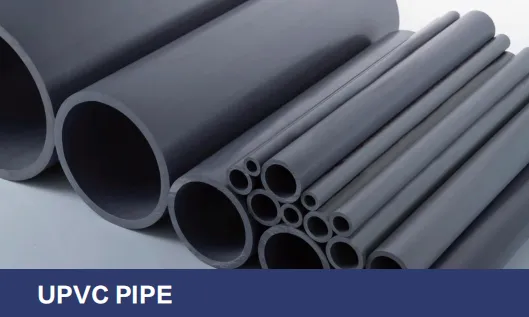
In recent years, one material has emerged as a game-changer in this space: UPVC pipes. Short for unplasticized polyvinyl chloride, UPVC pipes have quietly revolutionized how we build and maintain water supply networks in residential complexes. But why are they becoming the go-to choice for forward-thinking developers and a trusted
residential building materials supplier? Let's dive in.
The Trouble with Traditional Piping: A Legacy of Headaches
Not long ago, residential complexes relied heavily on traditional piping materials like galvanized steel, copper, or even concrete. While these materials served their purpose, they came with a long list of drawbacks that often only revealed themselves years after installation.
Take galvanized steel pipes, for example. Once a staple in construction, they're prone to corrosion over time. Imagine a 10-year-old complex where the steel pipes have started to rust from the inside out. The rust flakes off, clogging fixtures and turning the water a murky brown. Residents complain about discolored laundry and stained sinks, while the property management team faces mounting repair bills. Replacing sections of steel pipe means tearing up walls, digging up gardens, and disrupting life for days—hardly ideal in a fully occupied complex.
Copper pipes, though more corrosion-resistant, aren't without issues. They're expensive, heavy, and require skilled labor to install (those soldered joints don't just happen!). Plus, copper is a target for theft in some areas, adding security concerns to the mix. Concrete pipes, once used for drainage, are rigid and prone to cracking under soil movement, leading to leaks that can damage foundations over time.
Then there's the matter of maintenance. Traditional pipes demand regular check-ups, and even with careful upkeep, their lifespans are limited—often 20-30 years for steel, 40-50 for copper. For a residential complex designed to stand for decades, that means planning for costly replacements long before the building itself shows signs of aging. It's no wonder developers and managers started asking:
there must be a better way
.
UPVC Pipes: The Modern Solution to Age-Old Problems
Enter UPVC pipes. Unlike their plasticized cousin (PVC, which is flexible and used for things like garden hoses), UPVC is rigid, strong, and (unplasticized), making it ideal for high-pressure applications like water supply and drainage. But what really sets UPVC apart is how it addresses the pain points of traditional materials—all while keeping costs in check.
Let's start with durability. UPVC pipes are resistant to corrosion, rust, and chemical degradation. That means they won't react to the minerals in water or the soil they're buried in, ensuring clean, clear water for decades. In fact, most UPVC pipes come with a lifespan of 50+ years—often outlasting the buildings they serve. For a residential complex, that's peace of mind: no mid-life pipe replacements, no unexpected shutdowns, just reliable performance year after year.
Then there's weight. A 6-meter length of 100mm UPVC pipe weighs around 10kg, compared to 40kg for a similar steel pipe. That's a huge difference for installers, who can carry and maneuver UPVC pipes with ease, reducing labor time and costs. Lighter pipes also mean less stress on the building's structure, a small but crucial detail in multi-story complexes.
The smooth inner surface of UPVC pipes is another unsung hero. Unlike rough steel or concrete, which can trap sediment and hair, UPVC's sleek interior minimizes friction and prevents clogs. This translates to better water flow, lower pressure loss, and fewer blockages—good news for residents (no more standing water in the shower!) and maintenance teams (fewer drain-clearing calls).
And let's talk about cost. UPVC pipes are significantly cheaper than copper or stainless steel, both in material and installation. Their lightweight nature cuts down on (transport) costs, and since they're joined with solvent cement or rubber gaskets (no soldering required), installation is faster and less labor-intensive. For a developer building a new complex, those savings add up quickly—funds that can be redirected to amenities like a community pool or playground, making the complex more attractive to potential buyers.
Types of UPVC Pipes: Tailored for Every Need in Residential Complexes
UPVC isn't a one-size-fits-all solution—and that's part of its appeal. Different areas of a residential complex's water network have different needs, and UPVC pipes come in specialized forms to meet them. Here are the most common types you'll encounter:
1. UPVC Pressure Pipes (SCH40/SCH80)
: These are the workhorses of the water supply system, designed to carry potable water under pressure. SCH40 pipes are used for low to medium pressure (think household water lines), while SCH80 is thicker and built for higher pressure applications, like main supply lines feeding multiple buildings. A reputable
upvc pipe supplier will offer both, ensuring you get the right strength for the job.
2. PVC DWV Pipes
: Standing for Drainage, Waste, and Vent, these pipes handle wastewater from sinks, showers, and toilets, as well as venting to prevent pressure buildup in the system.
PVC DWV pipe solutions are critical for keeping the complex's sanitation system running smoothly—no one wants a backed-up drain on a Saturday night! These pipes are designed with larger diameters and sloped interiors to facilitate gravity-driven flow.
3. UPVC Well Casing and Screen Pipes
: In complexes that rely on groundwater (common in some rural or suburban areas), UPVC well casing pipes protect the well from collapse and contamination, while screen pipes filter out sediment. Their corrosion resistance makes them ideal for underground use, where soil chemicals can eat away at metal casings.
The key is to match the pipe type to its function. A reliable
residential building materials supplier will work with you to assess your complex's needs—number of residents, water pressure requirements, soil conditions—and recommend the right UPVC solutions.
How UPVC Stacks Up: Comparing Materials for Residential Piping
To truly understand UPVC's value, it helps to see how it compares to other popular piping materials. Let's put it head-to-head with PPR (Polypropylene Random Copolymer) and PEX (Cross-Linked Polyethylene), two other modern options often considered by developers.
|
Feature
|
UPVC
|
PPR
|
PEX
|
|
Durability
|
50+ years (corrosion-resistant, UV-stable)
|
40-50 years (good chemical resistance)
|
40-50 years (flexible, but sensitive to UV light)
|
|
Installation
|
Glued with solvent cement; lightweight, easy to cut
|
Heat-fused joints; requires special tools
|
Crimped or clamped joints; flexible, bends easily
|
|
Cost (Material + Labor)
|
Lowest (affordable materials, simple installation)
|
Moderate (higher material cost, specialized labor)
|
Highest (expensive materials, specialized tools)
|
|
Water Flow
|
Excellent (smooth inner surface, low friction)
|
Good (smooth surface, but fused joints may slightly restrict flow)
|
Good (flexible, but crimps can narrow diameter)
|
|
Best For
|
Water supply, drainage, underground lines
|
Hot & cold water lines (resistant to high temps)
|
Retrofits, tight spaces (flexibility avoids elbows)
|
As the table shows, UPVC shines when it comes to cost, durability, and versatility. PPR is great for hot water (it can handle temperatures up to 95°C), but it's pricier and needs trained installers. PEX is flexible, making it ideal for retrofitting older buildings, but its sensitivity to UV light means it can't be used outdoors without protection, and it's the most expensive option. For new residential complexes, where cost-effectiveness and long-term reliability are priorities, UPVC often comes out on top.
Installing UPVC Pipes: Tips for a Seamless Process
Even the best materials can underperform if installed poorly. Here are some best practices to ensure your UPVC pipe system lives up to its potential:
-
Measure Twice, Cut Once
: UPVC pipes are easy to cut with a handsaw or pipe cutter, but accuracy matters. Mismeasured pipes can lead to gaps in joints, which means leaks down the line. Always double-check lengths before cutting.
-
Clean and Prime Joints
: Solvent cement works by melting the surface of the pipe and fitting, creating a bond as it dries. Any dirt, oil, or moisture on the surfaces will weaken the bond, so clean them thoroughly with a dry cloth and apply primer before cementing.
-
Support the Pipes
: While UPVC is strong, it still needs proper support to prevent sagging, especially for long horizontal runs. Use pipe hangers or brackets spaced according to the pipe diameter—your supplier or installer can provide a spacing chart.
-
Avoid Over-Tightening
: For threaded UPVC fittings (less common than glued), don't over-tighten—this can crack the plastic. Use Teflon tape sparingly to seal threads.
-
Test Before Covering
: Always pressure-test the system with water before burying pipes or closing walls. A 24-hour test at 1.5 times the working pressure will reveal any leaks early, saving you from costly repairs later.
Remember, installation is a team effort. Working with an experienced contractor and a reliable
upvc pipe supplier who offers technical support can make all the difference. Many suppliers even provide on-site training for installers, ensuring everyone is on the same page.
Maintaining UPVC Pipes: Keeping the Flow Going Strong
One of the biggest perks of UPVC pipes is their low maintenance needs, but "low" doesn't mean "none." A little care goes a long way in extending their lifespan:
-
Inspect Regularly
: Walk the complex's utility areas (basements, crawl spaces, rooftops) quarterly to check for signs of leaks—dampness, mold, or water stains. Outdoors, keep an eye on areas where pipes are buried; sudden patches of green grass or sinking soil could indicate a leak.
-
Clear Clogs Gently
: For minor clogs in DWV pipes, use a plunger or a plastic drain snake—avoid chemical drain cleaners, which can damage the pipe's interior if left too long.
-
Protect from Extreme Temperatures
: While UPVC handles cold well, prolonged exposure to freezing temperatures can cause water inside to expand and crack the pipe. In colder climates, insulate exterior pipes or bury them below the frost line.
-
Watch for Tree Roots
: Tree roots are drawn to moisture and can infiltrate even UPVC pipes through small cracks. Plant trees at least 10 feet away from underground pipes, and consider root barriers if needed.
Real-World Impact: UPVC Pipes in Action
Still on the fence? Let's look at a real example of how UPVC pipes transformed a residential complex.
Case Study: Al-Rawdah Residences, Riyadh
Al-Rawdah Residences is a 300-unit complex built in 2015. Initially, the developer chose galvanized steel pipes for the water supply. By 2020, residents were complaining about low water pressure and discolored water. Inspections revealed widespread corrosion inside the steel pipes, with rust flakes clogging fixtures. Replacing the steel pipes would have required tearing up walls and disrupting residents for months, at an estimated cost of SAR 2 million.
Instead, the management team opted to switch to UPVC pressure pipes. They worked with a local residential building materials supplier to source SCH40 UPVC pipes and fittings, and the installation was completed in 6 weeks (half the time of steel replacement) at a cost of SAR 800,000—less than half the original estimate. Five years later, there have been zero leaks, water pressure is consistent, and resident satisfaction scores have risen by 40%.
Stories like Al-Rawdah's are becoming increasingly common. UPVC pipes aren't just a material choice—they're an investment in the complex's reputation and residents' quality of life.
Choosing the Right UPVC Pipe Supplier: What to Look For
You've decided to go with UPVC—now, how do you choose a supplier? Not all suppliers are created equal, and the quality of the pipes can vary widely. Here are the key factors to consider:
1. Quality Certifications
: Look for suppliers whose pipes meet international standards like ASTM (American Society for Testing and Materials) or DIN (Deutsches Institut für Normung). For example,
cpvc pipe and fitting(astm d2846) solutions should carry the ASTM D2846 certification, ensuring they meet safety and performance benchmarks.
2. Product Range
: A good supplier will offer a full range of UPVC products—pressure pipes, DWV pipes, fittings, valves—to avoid mixing brands (which can cause compatibility issues). Bonus points if they also supply other building materials, making them a
one-stop architectural solution provider.
3. Technical Support
: From helping you select the right pipe size to providing installation guides, a supplier with strong technical support can save you time and headaches. Ask if they offer on-site training for your contractors.
4. Reliability
: Check reviews and ask for references. You need a supplier who delivers on time, communicates clearly, and stands behind their products if issues arise. A supplier with a long history in the industry (10+ years) is often a safer bet than a new player.
5. Sustainability
: UPVC is inherently eco-friendly (recyclable, energy-efficient to produce), but some suppliers go the extra mile by using recycled materials or reducing waste in manufacturing. If sustainability is a priority for your complex, ask about their green practices.
The Future of Residential Water Networks: Why UPVC is Here to Stay
As residential complexes grow larger and more complex—with smart home features, water-saving fixtures, and higher density—their water networks need to keep pace. UPVC pipes are well-positioned to meet these evolving needs. Innovations like antimicrobial UPVC (infused with additives to prevent bacterial growth) are making them even more suitable for sensitive areas like hospitals and schools, and while that's beyond residential, it speaks to the material's adaptability.
Additionally, as the world focuses on sustainability, UPVC's low carbon footprint (it requires less energy to produce than metal pipes) and long lifespan align with green building standards. Developers aiming for LEED or Estidama certifications are increasingly turning to UPVC as part of their eco-friendly strategies.
At the end of the day, though, the real reason UPVC will remain a staple in residential complexes is simple: it works. It keeps water flowing, residents happy, and maintenance teams busy with better things than fixing leaks. In a world where so much feels uncertain, a reliable water supply network is a small but powerful source of stability—and UPVC pipes are the quiet guardians of that stability.
Final Thoughts: Building Better Communities, One Pipe at a Time
When you think about what makes a residential complex feel like home, you might picture spacious apartments, lush gardens, or friendly neighbors. But beneath the surface, it's the invisible systems—the water pipes, the drains, the infrastructure—that make those moments possible. Choosing UPVC pipes isn't just about construction; it's about investing in the daily lives of the people who will live there.
So whether you're a developer breaking ground on a new complex, a property manager upgrading an older one, or a homeowner curious about what's behind your walls, remember this: the right piping material can turn a house into a home, and a complex into a community. And when it comes to reliability, affordability, and peace of mind, UPVC pipes stand tall.
Here's to clear water, steady pressure, and the quiet confidence that comes with knowing your water network is built to last—for decades, and for the generations of families who will call your complex home.