
A home is more than four walls and a roof—it's a sanctuary where we start and end our days, where families gather, and where memories are made. But in today's world, a truly comfortable home is also one that works with us, not against us, when it comes to energy use. Energy efficiency has shifted from a "nice-to-have" to a necessity, driven by rising utility costs, growing environmental awareness, and a desire for greater control over our living spaces. The secret to achieving this? It starts with the materials we choose. From the panels that capture sunlight to the floors under our feet and the windows that frame our views, every building material plays a role in how efficiently our homes use energy. In this guide, we'll explore how solar panels form the backbone of energy independence, and how other key materials—like windows, flooring, and ceilings—work together to create a home that's not just efficient, but also healthier, quieter, and more comfortable. Let's dive in.
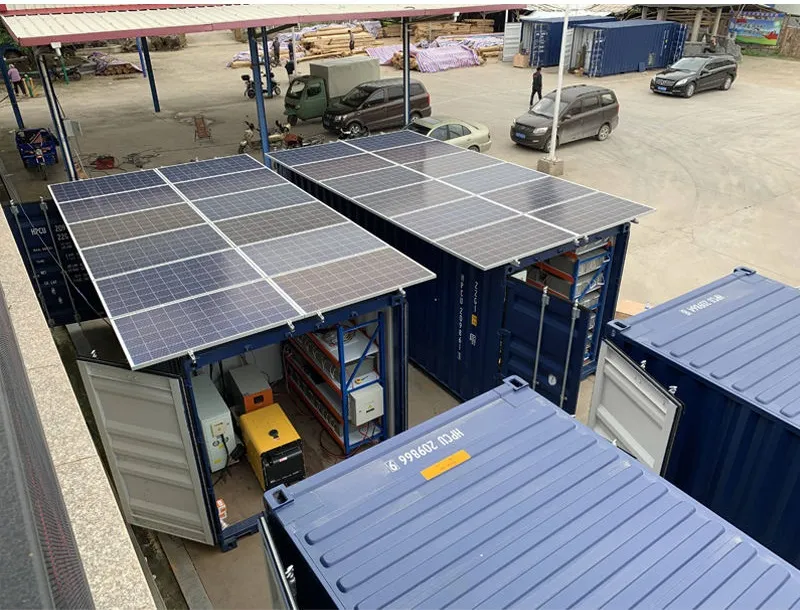
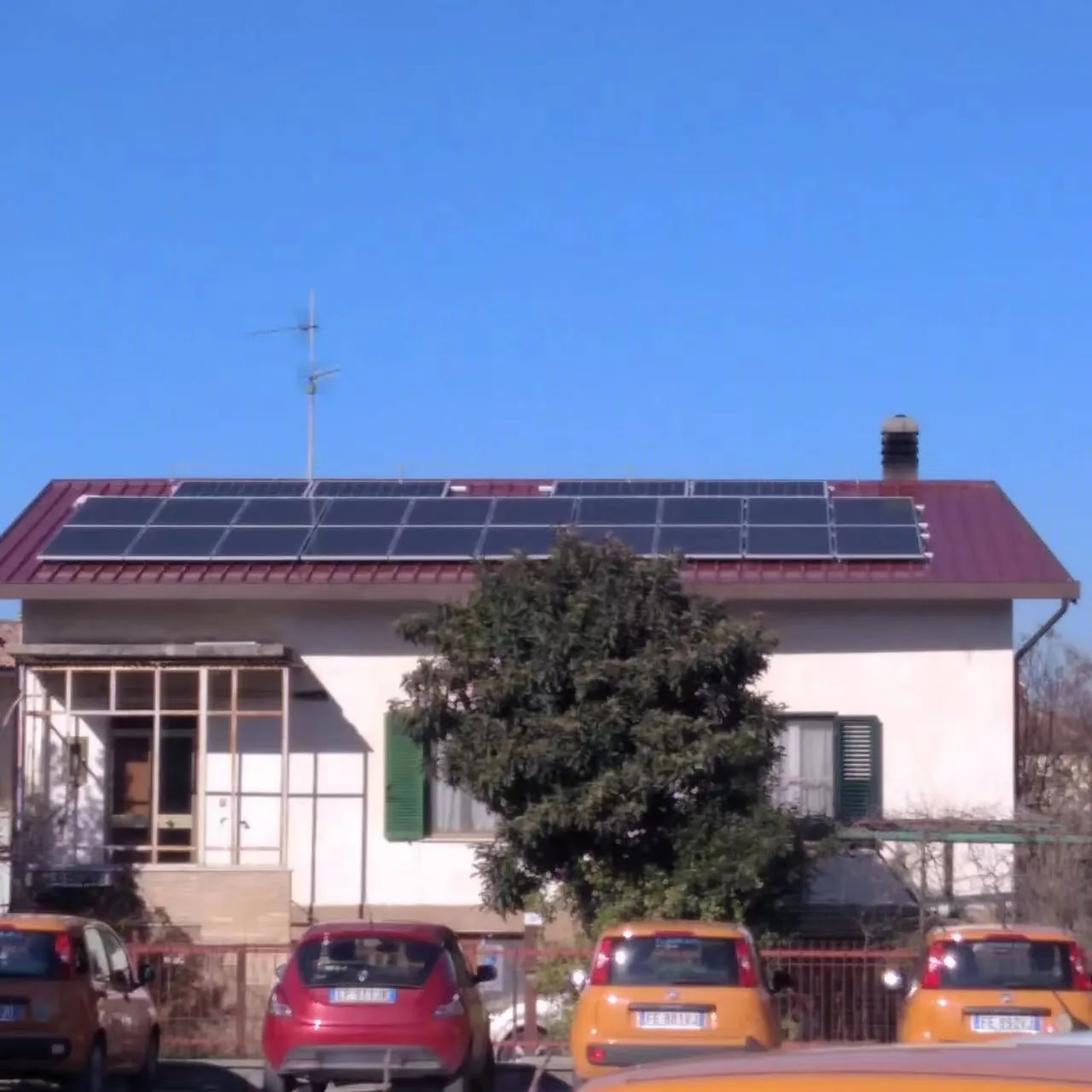
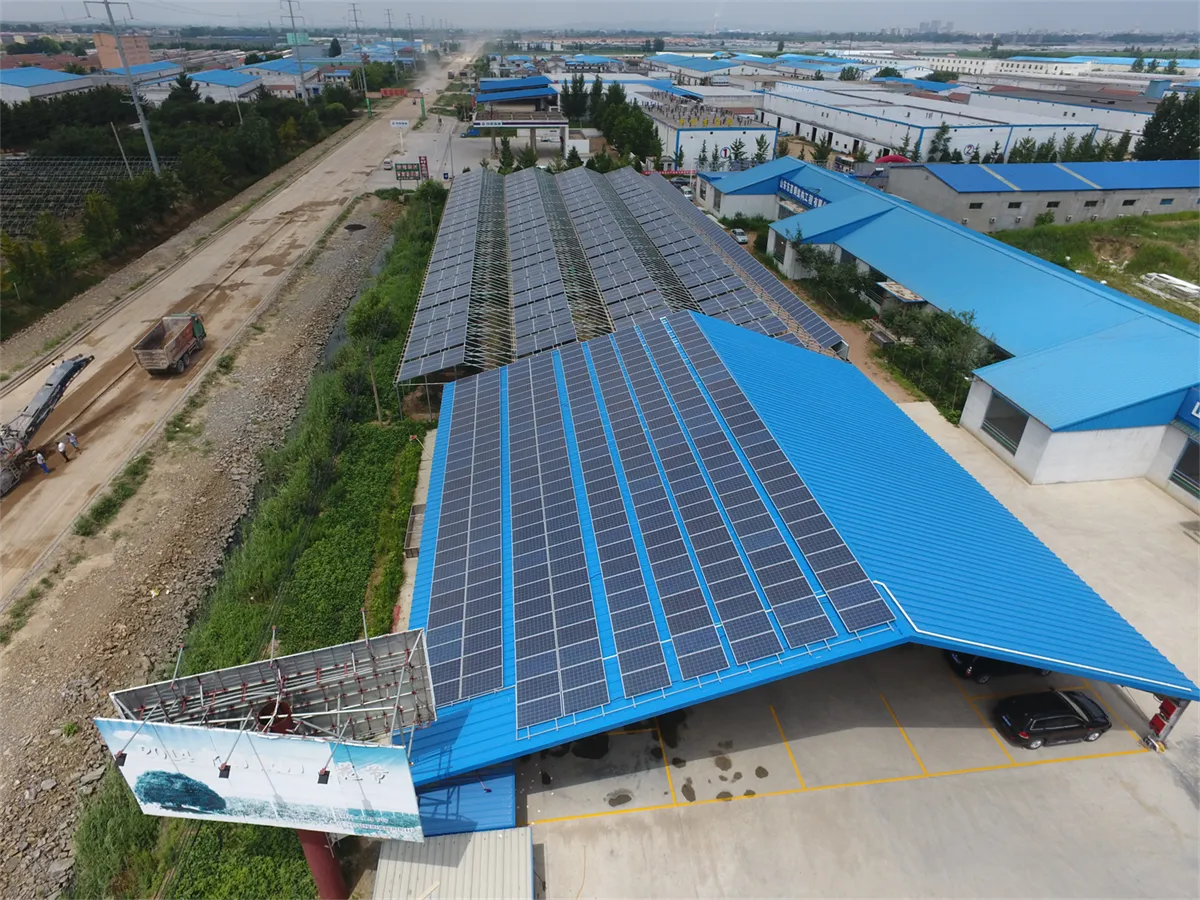
When we talk about energy-efficient homes, solar panels are often the first thing that comes to mind—and for good reason. These sleek, unobtrusive devices turn sunlight into electricity, reducing reliance on fossil fuels and slashing monthly energy bills. But not all solar setups are created equal. The difference lies in partnering with a trusted solar panels supplier who understands both the technical side (like panel efficiency and durability) and the practical needs of homeowners.
Imagine coming home after a long day, flipping on the lights, and knowing that the energy powering them came from the sun that morning. That's the reality for millions of homeowners who've invested in solar. Beyond the obvious financial benefits—many see a 50-80% reduction in electricity bills—solar panels offer a sense of security. They protect against fluctuating energy prices and, in some cases, even allow homeowners to sell excess energy back to the grid (a process called net metering). For those concerned about the environment, solar panels are a tangible way to reduce carbon footprints: the average residential solar system offsets about 3-4 tons of CO2 per year, equivalent to planting over 100 trees annually.
But choosing the right solar panels matters. A reputable solar panels supplier will guide you through options like monocrystalline vs. polycrystalline panels (monocrystalline are more efficient but slightly pricier), and help you calculate the right system size based on your home's energy needs. They'll also consider local factors, like roof angle, sunlight exposure, and even weather patterns—critical details that affect performance. For example, in sun-drenched regions, high-efficiency panels might be worth the investment, while in cloudier areas, a larger array with slightly lower efficiency could be more cost-effective.
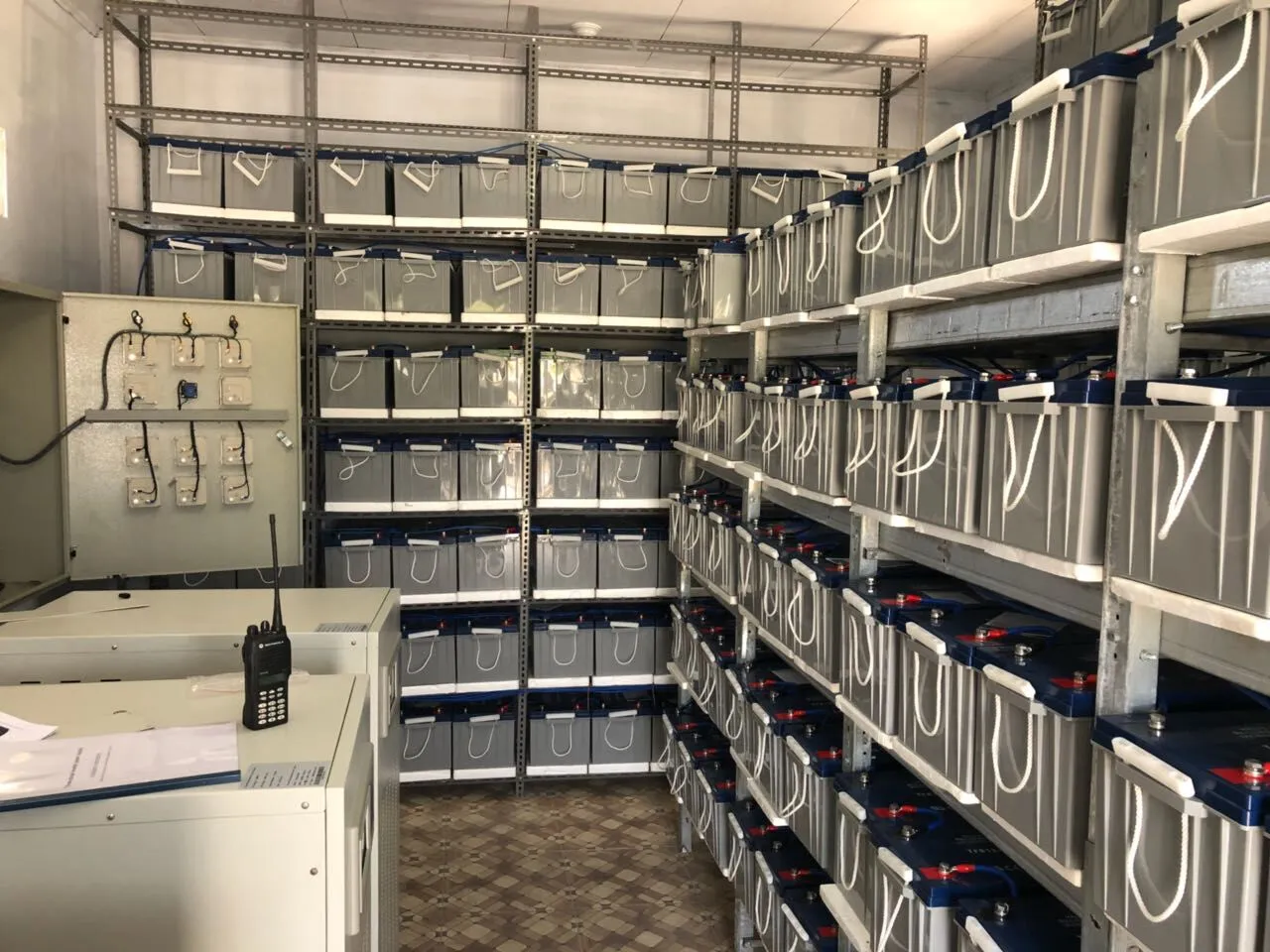
Solar panels don't work in isolation. To maximize their benefits, they need to be paired with other technologies like battery storage (for cloudy days or power outages) and smart inverters (which convert solar energy into usable electricity). A good supplier will also ensure seamless installation, avoiding common pitfalls like poor wiring or incorrect panel placement that can hinder performance. The goal? A system that feels like a natural part of your home, not an afterthought.
If solar panels are the "power source" of an efficient home, windows and doors are the "gatekeepers." They're the primary points where heat escapes in winter and enters in summer, making them critical to maintaining a stable indoor temperature. Old, drafty windows or poorly sealed doors can undo even the best solar setup, forcing your heating and cooling systems to work overtime. That's where modern windows & doors solutions come in—designed to keep the elements out and comfort in.
It's not just about thickness. Energy-efficient windows and doors combine multiple features to minimize heat transfer. Double or triple glazing (layers of glass with air or gas between them) acts as insulation, while low-emissivity (low-E) coatings reflect infrared light, keeping heat inside in winter and outside in summer. Frames matter too: materials like vinyl, fiberglass, or wood-clad frames are better insulators than aluminum, which conducts heat easily. Even the way they're installed counts—gaps around frames can let in drafts, so professional installation with proper sealing is key.
Let's put this in perspective. A home with single-pane windows loses up to 30% of its heating energy through those windows alone. Upgrading to double-glazed, low-E windows can cut that loss by half or more. Homeowners often report feeling an immediate difference: rooms stay warmer in winter without cranking the thermostat, and cooler in summer without overworking the AC. Over time, those savings add up—enough to offset the cost of the upgrade in just a few years.
The best part? Today's energy-efficient windows and doors don't sacrifice style for performance. Whether you prefer the classic look of wooden frames, the sleekness of black vinyl, or the modernity of floor-to-ceiling sliding doors, there are options to match any architectural style. And for those in noisy neighborhoods, many energy-efficient windows also offer sound insulation—double the win.
Floors are often overlooked in energy efficiency discussions, but they're a silent workhorse. Think about it: your floors cover every square inch of your home, and they interact with heat in ways you might not realize. Some materials absorb and retain heat, helping to keep rooms warm; others reflect it, keeping spaces cool. The right flooring solutions can reduce the need for constant heating or cooling, making your home more efficient and your feet happier.
Thermal mass is the ability of a material to absorb, store, and release heat. Materials with high thermal mass, like ceramic tile or natural stone, excel at this. In sunny rooms, tile floors soak up heat during the day and slowly release it in the evening, keeping the room warm without extra energy. In contrast, materials like hardwood or bamboo have moderate thermal mass but offer better insulation than carpet (which, while cozy, can trap dust and allergens). For basements or rooms prone to cold, engineered hardwood with a foam underlayment adds an extra layer of insulation, preventing cold from seeping up from the subfloor.
Carpet, often dismissed as "inefficient," can actually be a good choice in certain climates—when paired with the right underlayment. Thick, wool-blend carpets with a foam or felt underlayment act as insulators, reducing heat loss through the floor. They're especially popular in bedrooms, where comfort underfoot is a priority. The key is to choose flooring that aligns with your climate: tile for warm, sunny regions (to keep rooms cool), carpet or engineered hardwood for colder areas (to retain heat), and bamboo or cork for moderate climates (a sustainable, all-season option).
Energy efficiency isn't just about daily use—it's also about longevity. A floor that needs to be replaced every 5-10 years is less efficient in the long run, as manufacturing and installation require energy and resources. That's why many homeowners are turning to durable, eco-friendly options like luxury vinyl plank (LVP), which mimics hardwood but resists water and scratches, or terrazzo, a mix of recycled stone chips and resin that's both stylish and long-lasting. A reliable flooring supplier can help you balance durability, sustainability, and thermal performance, ensuring your floors work for you for decades.
When was the last time you thought about your ceiling? If you're like most people, probably not recently. But your ceiling is the barrier between your living space and the attic (or the outdoors, in single-story homes), and heat rises—meaning a poorly insulated ceiling can let precious warmth escape right out the top. Ceiling solutions designed for energy efficiency address this, keeping heat in during winter and out during summer, and even improving indoor air quality.
The star of the show here is insulation. Attic insulation (installed above the ceiling) acts as a blanket, slowing heat transfer. The most common types are fiberglass batts, cellulose (recycled paper), and spray foam. Fiberglass is affordable and easy to install; cellulose is eco-friendly and great for filling gaps; spray foam expands to seal even the smallest cracks, making it ideal for irregularly shaped attics. The recommended insulation level varies by climate—colder regions need higher R-values (a measure of insulation effectiveness)—but even adding a few inches can make a big difference. Homeowners in northern states, for example, often see a 15-20% drop in heating bills after upgrading attic insulation.
Beyond insulation, the ceiling panels themselves can contribute to efficiency. Rigid foam panels or mineral wool boards, installed directly on the ceiling, add an extra layer of insulation and can even reduce noise (a bonus for multi-story homes). For a modern look, suspended ceilings with acoustic tiles not only improve sound absorption but also allow for easy access to insulation and wiring, making future upgrades simpler. And for those who want to maximize natural light, skylights (paired with energy-efficient glazing) can reduce the need for artificial lighting during the day—another win for efficiency.
The most efficient homes aren't built by focusing on one material in isolation—they're the result of an integrated strategy, where solar panels, windows, flooring, and ceilings work in harmony. For example, solar panels generate electricity to power heat pumps, which are more efficient than traditional furnaces. Energy-efficient windows reduce the load on those heat pumps, while insulated ceilings and thermal flooring keep the warmth where it belongs. It's a cycle of efficiency that multiplies the benefits of each individual material.
This integrated approach also extends to smart home technology. A programmable thermostat can adjust temperatures based on when you're home, while smart blinds (controlled by sunlight) can reduce heat gain in summer. Even something as simple as sealing air leaks around doors and windows (using weatherstripping or caulk) complements the work of your energy-efficient materials, ensuring no energy is wasted.
| Material Category | Key Features for Efficiency | Best For | Long-Term Benefits |
|---|---|---|---|
| Solar Panels | High-efficiency (20%+ conversion rate), durable (25+ year lifespan), paired with battery storage | Sunny regions, homes with south-facing roofs | Reduced electricity bills, energy independence, potential tax incentives |
| Windows & Doors | Double/triple glazing, low-E coatings, insulated frames (vinyl/fiberglass) | All climates; critical in extreme heat/cold | Stable indoor temperatures, reduced HVAC use, lower noise pollution |
| Flooring Solutions | High thermal mass (tile/stone), insulation underlayment, sustainable materials | Cold climates (carpet/engineered hardwood); warm climates (tile/terrazzo) | Reduced heating/cooling needs, durability, improved indoor comfort |
| Ceiling Solutions | High R-value insulation (cellulose/spray foam), rigid foam panels | Attic homes, single-story houses, multi-story buildings | Heat retention, noise reduction, lower energy bills |
Energy efficiency isn't a one-time project—it's a mindset that evolves as technology advances and our needs change. Today's solar panels are more efficient than those from a decade ago; tomorrow's windows might integrate solar cells themselves. But the foundation remains the same: choosing materials that prioritize both performance and comfort. By investing in quality solar panels, energy-efficient windows, thoughtful flooring, and well-insulated ceilings, you're not just building a house—you're creating a home that works for you, saves you money, and leaves a lighter footprint on the planet.
So whether you're building a new home or upgrading an existing one, remember: every material choice counts. Start with the basics, partner with suppliers who understand your vision, and don't underestimate the power of integration. Your future self—and your wallet—will thank you.
Recommend Products












