
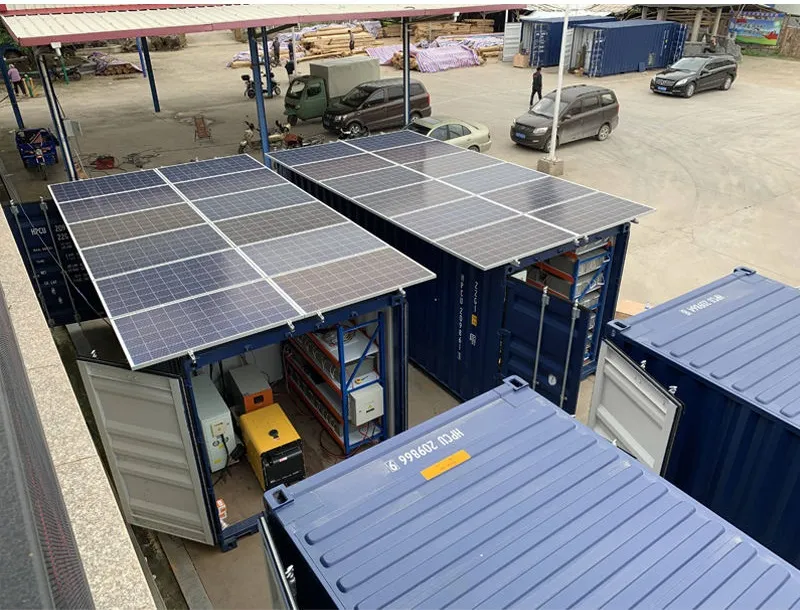
Picture this: You're standing in the vast steppes of Kazakhstan, where new solar farms stretch toward the horizon. Suddenly, the grid voltage dips due to a distant fault. Do these photovoltaic systems crash offline? Not if they've got proper LVRT (Low Voltage Ride-Through) capabilities. Across Central Asia's power networks, LVRT isn't just technical jargon – it's the lifeblood preventing massive blackouts when grid conditions get dicey.
Let's be real – Central Asia's grid infrastructure faces some unique challenges. Transmission lines crossing hundreds of miles between mountains and deserts make voltage dips more likely than in compact European networks. When Uzbekistan's grid drops below 50% voltage during windstorms or Kyrgyzstan's hydro systems fluctuate, solar farms must absorb the hit without tripping offline.
The stakes? Massive. In 2020, a regional voltage dip in Turkmenistan triggered solar disconnections that took hours to restore, affecting hospitals and manufacturing facilities. LVRT prevents this cascade effect – it's like giving solar panels shock absorbers for grid turbulence.
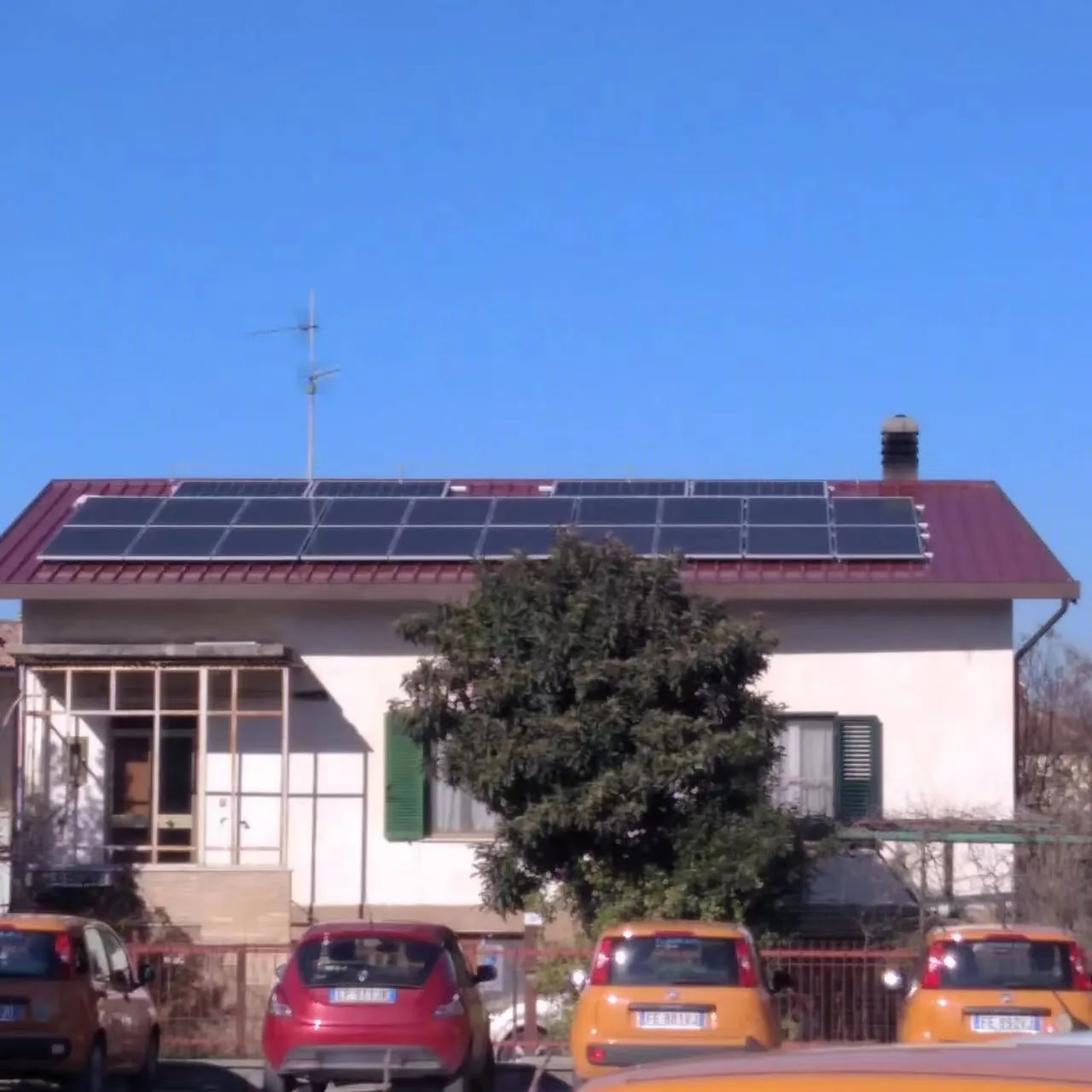
When voltage drops, inverters face a nasty paradox: Solar panels keep pumping power while the grid can't absorb it. Cue dangerous DC voltage spikes. Modern solutions include:
Current surges during faults can literally fry inverter components. Central Asian standards enforce:
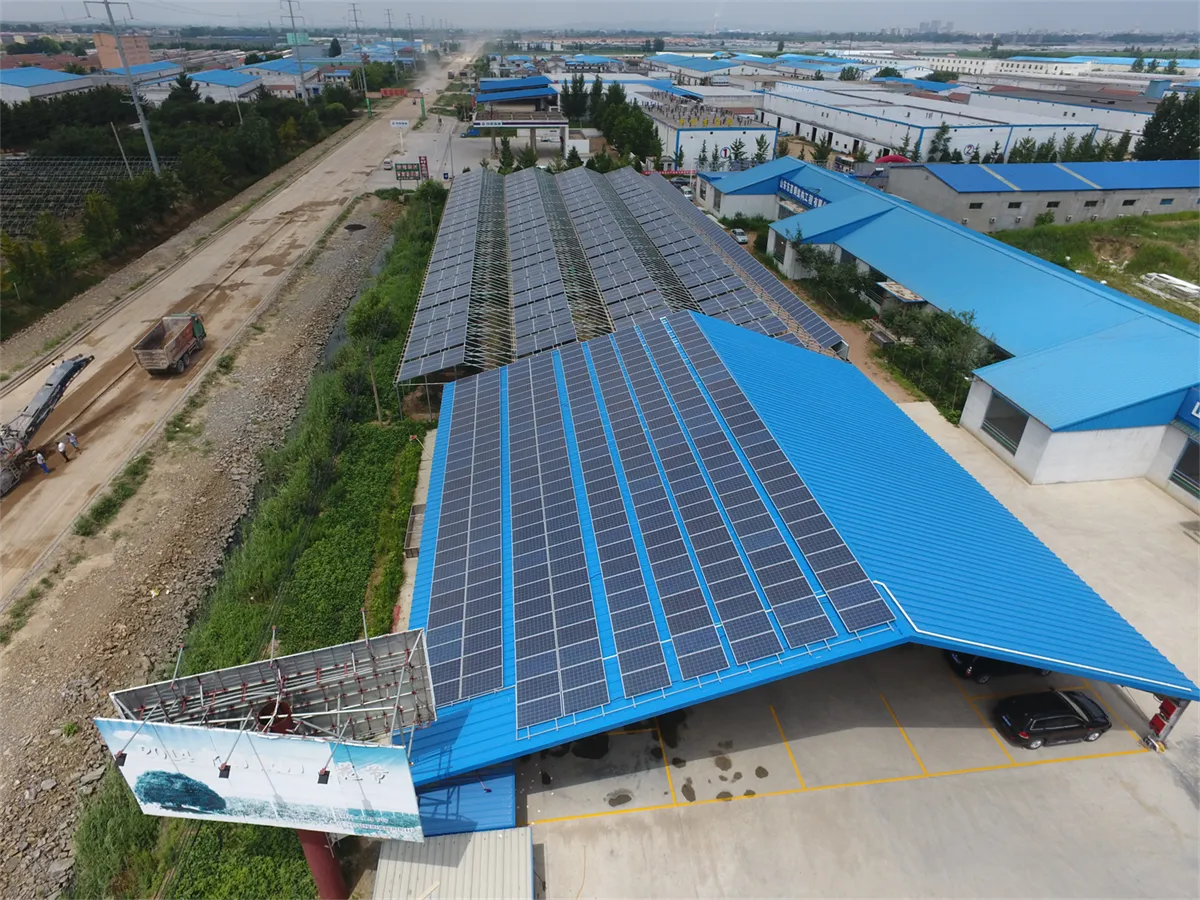
Here's where things get brilliant. Modern inverters don't just endure voltage sags – they actively fight them by injecting reactive power (Q). Picture this reactive current like paramedics stabilizing a patient:
A 2022 Kazakhstan solar plant demonstrated how reactive injection shaved voltage recovery time from 4.5 seconds to under 1 second – crucial for preventing factory shutdowns.
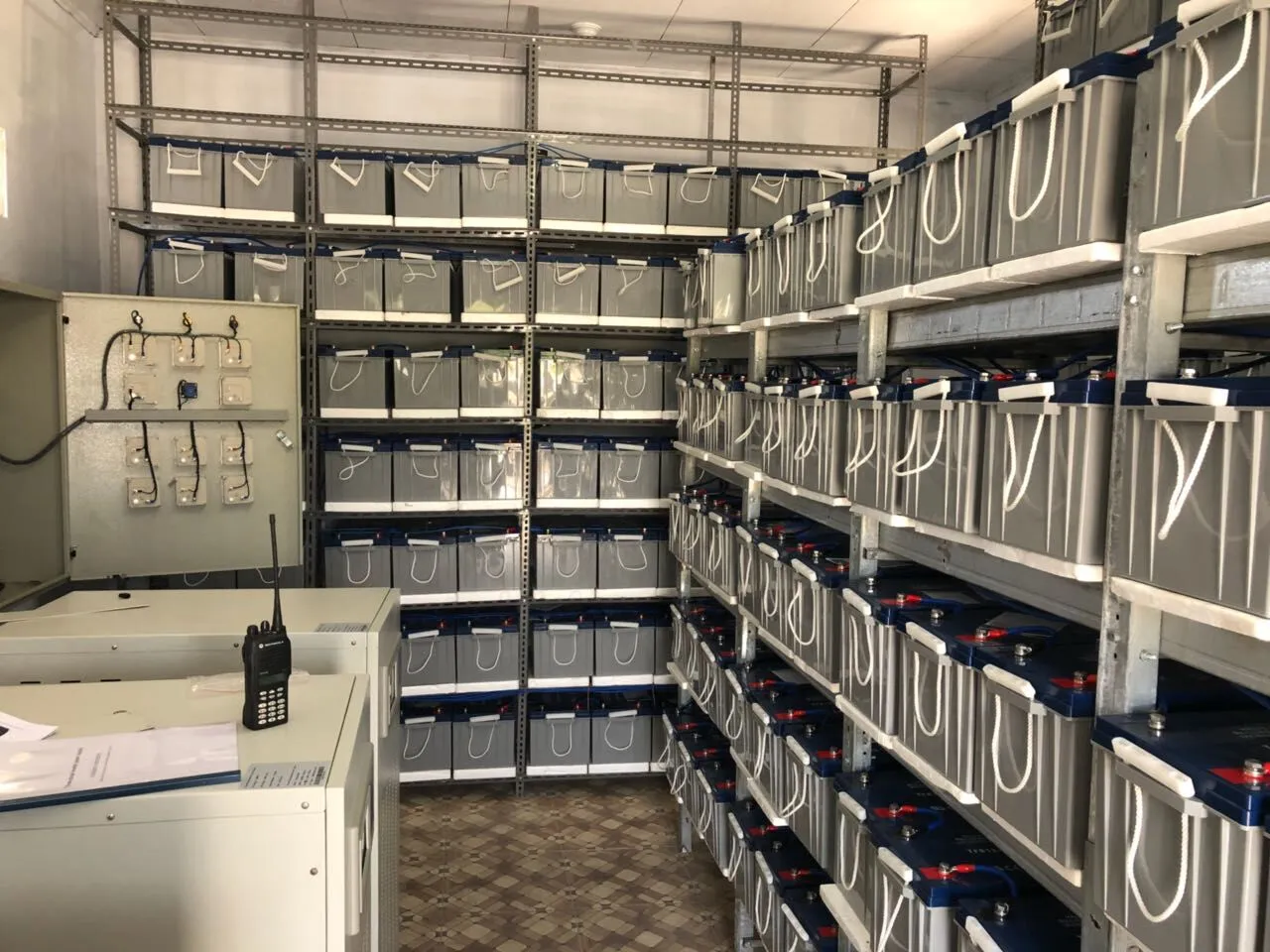
During voltage chaos, standard inverters lose grid synchronization faster than a dropped Wi-Fi call. Enhanced phase-locked loops (PLLs) fix this by:
Uzbekenergo's testing showed dual-PLL systems maintained synchronization during voltage dips that crashed conventional inverters in 0.2 seconds.
The brain of LVRT lies in controllers. Forget simple PID loops – modern systems combine:
At a 150MW Tajikistan solar farm, these controls reduced fault recovery energy losses by 61% compared to older systems.
Not all LVRT strategies are equal. Passive systems just endure sags. Active systems fight back:
| Approach | Passive LVRT | Active LVRT |
|---|---|---|
| Voltage 0.7 pu | Trips at 150ms | Injects 150% I q |
| Recovery | ~4.0 sec | <0.8 sec |
Turkmenistan's 2025 grid code now mandates active LVRT for all >5MW solar installations.
Paper specs mean nothing without validation. Central Asian labs now perform:
A Kyrgyzstan test facility's three-phase LVRT rig can simulate faults within 2ms resolution – critical for catching controller glitches.
Getting LVRT right isn't just software – it's hardware and planning:
The Badamsha Solar Plant in Kazakhstan saved $200k/year in maintenance by oversizing LVRT components by just 15%.
Central Asian grids won't stand still. Emerging trends include:
Uzbekistan's upcoming solar tender requires LVRT systems compatible with grid-forming inverters – the next frontier in grid stability.
The bottom line? LVRT transforms solar farms from grid liabilities to grid assets . For Central Asia's energy-hungry economies, robust LVRT standards mean solar power they can truly count on – through voltage dips, faults, and whatever curveballs the grid throws their way.
Recommend Products












