


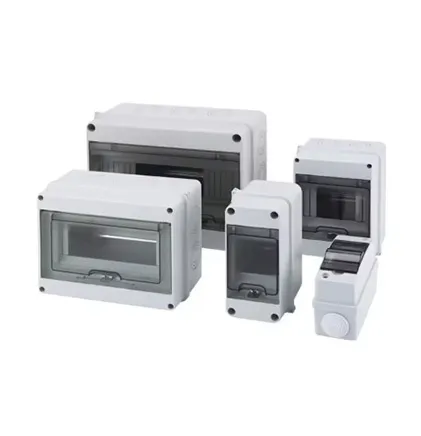
Picture this: you're flipping a light switch at home, charging your phone, or running industrial machinery. Behind these everyday actions lies an unsung hero - the distribution box. These unassuming metal enclosures are the nerve centers of electrical systems, quietly managing risks while ensuring reliable operation. But what exactly does it take for these critical components to earn international certification? Let's unpack the requirements that transform ordinary electrical cabinets into globally compliant safety guardians.
Why International Standards Matter
In our interconnected world, electricity follows the same physical laws whether you're in Berlin, Beijing, or Boston. But regulatory landscapes? That's another story. International standards serve as a universal language for safety, creating predictable performance benchmarks across borders. For manufacturers, compliance opens global markets. For end-users, it means consistent protection against electrical hazards, fire risks, and equipment failures. Consider these standards as a global handshake agreement: "We pledge this box won't harm people or property."
The Heavyweights: IEC & UL Standards
IEC 61439: The Global Gold Standard
Think of IEC 61439 as the framework for low-voltage switchgear and controlgear assemblies. It's less about dictating specific components and more about defining system-level behaviors. Four pillars uphold this standard:
- Electric Shock Prevention - Live parts must be inaccessible to accidental contact, almost like having an invisible force field around dangerous components.
- Thermal Endurance - Components shouldn't turn into little heaters; strict temperature rise limits prevent insulation degradation and fire hazards.
- Short-Circuit Fortitude - When electrical faults create explosive energy, certified boxes contain and withstand these forces without rupturing.
- Mechanical Resilience - From factory vibrations to earthquake zones, these enclosures must physically protect their contents through real-world abuse.
UL 67: North America's Rulebook
While harmonizing with IEC principles, UL 67 adds distinctive North American flourishes:
- Overcurrent Sentinels - Every panelboard requires coordinated circuit breakers or fuses that act like electrical traffic cops during overloads.
- Corrosion-Resistant Armor - Enclosures must laugh off humid coastal air and industrial chemical exposure.
- Clear Identification - Labels must communicate critical specs as clearly as road signs, preventing installation errors.
Component-Level Requirements Demystified
Conductors & Connection Systems
Ever seen those copper busbars running through distribution boxes? They're not just shiny metal - they're precisely engineered pathways for electricity. Certification demands:
- Phase-separated insulation with color-coded sleeves (A/B/C/N/PE phases)
- Minimum Grade 8.8 bolted connections that won't loosen from vibration
- Tested short-circuit ratings for specific applications
- Anti-oxidation conductive paste on sliding contacts in withdrawable units
Switching & Protection Devices
The "brains" inside the box need special attention:
- Adjustable trip settings for specialized applications
- Emergency fire disconnects for critical circuits
- Positive-position indicators showing "ON/OFF/TEST" status
- Smooth-drawing drawers with secure contact alignment
Integrated Safety Systems
Modern boxes are increasingly intelligent:
- Fire alarm system interlocks for smoke exhaust circuits
- PLC-compatible interfaces for remote operation
- Certified Class I/II surge protectors for lightning-prone regions
During recent manufacturing audits, power cables routing inside distribution enclosures received particular scrutiny for bend radius compliance and strain relief.
Beyond Components: The Certification Journey
Component selection is just step one. Certification involves exhaustive validation:
- Design verification through calculation portfolios
- Prototype torture testing (thermal, mechanical, dielectric)
- Material certifications tracing back to ore sources
- Factory production control audits every 6-12 months
Manufacturers must maintain "type-tested assemblies" portfolios - essentially build recipes documenting every nut, bolt, and component arrangement.
Regional Nuances: Navigating the Global Patchwork
International doesn't mean identical. Consider these regional flavors:
- Europe (CENELEC) - Emphasizes IP ratings for dust/water ingress and harmonized disconnect requirements
- China (SAC) - Requires extra pollution degree testing and unique earthing symbols
- Middle East (IECEx) - Adds explosive atmosphere certifications for oil/gas applications
Why This Matters For You
These requirements translate into tangible benefits:
- 30% reduction in electrical fires according to EU safety reports
- Downtime reductions exceeding 40% in manufacturing environments
- Insurance premium discounts up to 15% for certified installations
The verification paperwork might seem overwhelming, but when an electrical incident occurs - whether in a hospital ICU or factory floor - that documentation becomes a vital shield demonstrating due diligence.
The Road Ahead: Emerging Trends
As our world electrifies, standards evolve:
- Cybersecurity protocols for IoT-enabled distribution equipment
- Enhanced seismic requirements for climate resilience
- Sustainable material mandates reducing carbon footprints
The humble distribution box has transformed from simple metal cabinets to sophisticated safety systems. By decoding and implementing these requirements, manufacturers don't just sell products - they deliver peace of mind in every corner of our electrified world.










