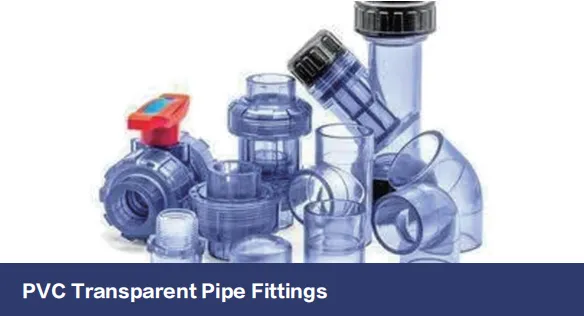
Why Transparent PVC Needs Special Care
Hey there! So you've got these see-through PVC pipes, huh? They're pretty awesome for monitoring fluids in labs, food processing, or chemical lines. But I'm betting you've noticed how they can get cloudy or gunky faster than regular pipes. That's because unlike opaque pipes, clear PVC practically invites problems. Sunlight can yellow them, chemicals leave ghostly residues, and micro-gunk can build up in those transparent pipe connectors, ruining your perfect view.
The worst offenders? Algae and bacteria love setting up shop in water systems. Chemical residue plays peek-a-boo on the interior walls. And UV light - well, that's like putting your pipes in a tanning bed without sunscreen!
Real Talk:
When those transparent pipe fittings start clouding, you're not just losing visibility. You're risking contamination, flow problems, and corrosion sneaking in unannounced. If you're working with cpvc high temperature pressure pipe systems, this becomes a safety issue too.
Building Your Cleaning Arsenal
Before we dive into the online systems, let's chat about your basic toolkit. You wouldn't wash your car with sandpaper, right? Same philosophy here. For manual touch-ups:
-
The Gentle Touch:
Microfiber cloths or super-soft sponges. Anything abrasive scratches forever.
-
Cleaning Agents:
Mild dish soap for everyday, Oatey® Clear Cleaner for tough jobs (fast-drying magic), diluted vinegar for organic gunk.
-
Avoid These Villains:
Acetone or ammonia-based cleaners? Instant haze makers!
-
Specialized Tools:
Pipe snakes with soft bristles, curved brushes for fittings.
But here's the kicker - manual cleaning gets exhausting fast in industrial setups. That's where online cleaning systems step in as your 24/7 pipe butlers.
Designing the Ideal Online Cleaning System
Imagine a system that cleans without shutting down operations - that's the dream. The perfect setup includes:
-
Circulation Loop:
Dedicated parallel piping with automated valves. Water gets circulated like a car wash.
-
Cleaning Module:
Think of it as a mixing station for cleaning agents like Oatey Clear Cleaner that rinse out completely.
-
Filtration Station:
Magnetic filters grab metal debris; mesh filters catch organic matter before it becomes a science project.
-
Smart Control:
Schedule cleanings during low-flow periods or trigger by cloudiness sensors.
For sch40 pipes handling high temperatures, add temperature-resistant seals to protect the system. Transparent PVC SCH40 pipe fittings need extra care in these systems.
Pro Tip:
Use clear PVC elbows in your cleaning loops! You'll see exactly where stubborn gunk hides without disassembly.
Making the System Work For You
Okay, let's get operational! A typical cleaning cycle works like clockwork:
-
Flush Phase:
Warm water rinses out loose debris. This prevents "scratch disasters" later.
-
Cleaning Mode:
System injects precise cleaning solution - timed exposure is everything. For transparent pvc pipe connectors, 20-minute soak cycles work wonders.
-
High-Velocity Rinse:
Turbo-mode water flow clears every molecule of cleaner. Leftovers cause hazing!
-
Drying Cycle:
Filtered air blows through pipes. Moisture attracts contaminants like free donuts in an office.
-
Checkpoint:
Optical sensors verify clarity before reopening main lines.
Systems for cpvc sch80 high pressure pipe add pressure-testing modules - because leaks mean starting over!
Daily TLC for Your System
Your cleaning system needs maintenance too (ironic, huh?). Follow this rhythm:
-
Daily:
Check pressure gauges, flow rates. Cloudy solutions get changed immediately.
-
Weekly:
Deep-clean the filtration system. Check nozzle arrays for clogs.
-
Monthly:
Full UV-resistance coating checks. Test valve response times.
-
Quarterly:
replace seals in rotating components. Calibrate optical sensors.
Build maintenance days into production schedules - trying to squeeze them between shifts causes rushed mistakes.
Why This Beats Manual Cleaning
Remember scraping algae from pipe elbows with dental tools? Online systems solve that and more:
-
Zero Downtime Production:
Clean while lines are active - operators love this!
-
Consistent Quality:
Same cleaning power every time - no "Monday morning" sloppy cleanings.
-
Longer Pipe Life:
Regular gentle cleaning prevents abrasive buildup damage.
-
Water Savings:
Closed-loop systems use 70% less water than traditional flushing.
In chemical plants using pvc pressure pipes, we've seen transparency last 3X longer with online systems compared to quarterly manual cleanings.
Fun Fact:
One brewery added optical clarity sensors to their beer lines - automated cleaning triggered before haziness affected product quality!
Choosing Your Cleaning Agents
Not all cleaners play nice with transparent pvc pipe connectors. Here's what works:
-
Oatey® Clear Cleaner:
My top recommendation - specifically made for PVC, fast-drying, leaves zero residue. The gold standard.
-
Acid-Based Cleaners:
For mineral deposits only. Use sparingly - prolonged exposure clouds surfaces.
-
Bio-Cleaners:
Enzyme-based formulas eat organic matter. Safe for food-grade lines.
-
Never Use:
Bleach except for occasional disinfecting. It weakens pipe integrity over time.
Automated dispensers should precisely measure solution concentrations. Too strong damages pipes; too weak wastes time.
Troubleshooting Common Problems
Even great systems have hiccups. Here's how to fix them:
-
Cloudiness After Cleaning:
Usually residual cleaner. Increase rinse cycle duration.
-
Streaks or Shadows:
Check for damaged seals letting unfiltered water in. replace immediately!
-
System Not Triggering:
Cloudiness sensors need calibration. Clean lenses with microfiber.
-
Leaky Fittings:
Over-tightening during maintenance cracks transparent pipe fittings. Use torque wrenches!
Document every issue and fix. That logbook becomes priceless when training new technicians.
Future-Proofing Your Setup
Looking ahead keeps your system relevant:
-
UV-Resistant Coatings:
Newer formulas last 5+ years vs old 2-year products. Apply during installations.
-
AI Predictive Cleaning:
-
Modular Design:
Build systems that expand with new pipe runs. Use standard transparent pvc fittings.
-
Water Recycling:
Next-gen filters enable near-total water reuse.
-
Remote Monitoring:
Cloud-based dashboards alert phones about cleaning cycles or issues.
Systems designed for sch80 pipes often upgrade easiest - their thicker walls handle new tech attachments.
Your Action Plan
Ready to implement? Here's your roadmap:
-
Start Small:
Install system on one critical line first. Work out kinks before expanding.
-
Train Your Team:
Schedule hands-on sessions with technicians. Include troubleshooting practice.
-
Baseline Measurement:
Record current pipe clarity before starting. Compare quarterly!
-
Vendor Partnership:
Choose suppliers offering maintenance training and support.
-
Schedule Optimized Cleanings:
Consider flow rates, temperatures, and production cycles.
Remember: Clear pipes aren't just about looks. They help catch contamination early, prevent equipment damage, and maintain system efficiency.
Let's Keep Those Pipes Crystal Clear
Installing an online cleaning system is like giving your pipes a dedicated guardian angel. No more emergency shutdowns for scrubbing parties! No more squinting to see flow patterns!
With the right setup using quality components like transparent pvc pipe connectors and smart scheduling, you'll maintain perfect visibility while boosting operational efficiency. Got a tricky installation? Start with professional consultation - a small investment that saves big on replacements later.
Final Thought:
In the world of PVC pipes, seeing truly is believing - and maintaining that perfect view is easier than ever!