
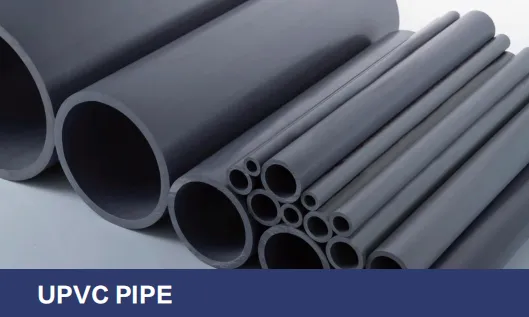
If you've ever stepped into a puddle of water in your basement or noticed a mysterious damp spot on your ceiling, there's a good chance a pipe is to blame. Among the most common types of pipes in modern homes and commercial buildings are UPVC pipes—short for unplasticized polyvinyl chloride. Unlike regular PVC, UPVC is rigid, strong, and resistant to corrosion, making it a go-to choice for everything from drinking water lines to drainage systems. But here's the thing: even the sturdiest pipes (yes, even those from a top-tier upvc pipe supplier ) aren't invincible. Over time, cracks, leaks, and blockages can creep in, turning a minor annoyance into a major headache if left unchecked.
Whether you're a homeowner tackling a weekend DIY project or a property manager responsible for maintaining a commercial space, knowing how to handle UPVC pipe issues can save you time, money, and a whole lot of stress. In this guide, we'll walk through common UPVC pipe problems, share quick fixes you can try at home, dive into professional repair techniques, and even discuss how to choose the right upvc pipe solutions to prevent future issues. Let's get started—your pipes (and your wallet) will thank you.
Before you grab your toolbox, it helps to know what you're up against. UPVC pipes are durable, but they face their fair share of enemies. Here are the most common issues you might encounter:
Cracks can form for a variety of reasons: age (UPVC pipes typically last 25-50 years, but nothing lasts forever), physical damage (like a wayward hammer during a renovation), or extreme temperature changes (frozen water expanding in pipes, though UPVC is more freeze-resistant than metal). Small cracks might start as hairline fractures, but they'll grow over time, especially under water pressure.
UPVC pipes are connected by joints—think of them as the "elbows" and "tees" that direct water flow. These joints rely on gaskets, washers, or solvent cement to stay watertight. If a joint nut loosens, a washer wears out, or the solvent bond weakens, water can seep out. You might notice dripping, dampness around the joint, or even mold growth nearby.
While UPVC pipes are smooth (which helps prevent clogs), they're not immune to blockages. Hair, food scraps, soap scum, and even small toys (thanks, kids!) can build up over time, slowing or stopping water flow. In drainage systems (like pvc dwv pipe —that's drain, waste, and vent), blockages often happen at bends or where the pipe slope is too shallow.
Wait, isn't UPVC supposed to be corrosion-resistant? Yes—but that doesn't mean it's impervious to everything. Harsh chemical drain cleaners (think Drano or Liquid Plumr) can eat away at UPVC if left in the pipe too long, especially if you use them repeatedly. Oil, grease, and certain industrial chemicals can also cause degradation over time.
Not every pipe problem requires a plumber. For small leaks, cracks, or blockages, you can often save the day with a few simple tools and a little elbow grease. Here are our top DIY fixes:
Epoxy putty is like a superhero for small cracks (we're talking ¼ inch or smaller). It's a two-part compound that hardens into a rock-solid seal when mixed, creating a temporary (but durable) fix until you can replace the pipe. Here's how to use it:
Pro tip: Keep epoxy putty in your toolkit—it's also great for fixing leaks in PVC, copper, and even metal pipes.
For leaks that aren't quite cracks—say, a pinhole leak or a small gap in a joint—self-fusing silicone tape is your best friend. Unlike regular duct tape, this stuff bonds to itself when stretched, creating a watertight seal that can withstand pressure. Here's the drill:
Note: This is a temporary fix—think of it as a Band-Aid. You'll still need to replace the pipe or joint eventually, but it'll buy you time to get the right upvc pipe solutions .
If a joint is leaking, the first thing to check is whether the nut (the threaded part connecting the pipe to the fitting) is loose. Grab an adjustable wrench and gently tighten the nut—be careful not to overtighten, as UPVC can crack under too much pressure. If tightening doesn't work, the washer inside the joint might be worn out. Here's how to replace it:
Blocked UPVC pipes are a common frustration, but they're usually fixable without chemicals. Start with a plunger: cover the drain opening, add a little water (if there isn't any already), and plunge vigorously for 20-30 seconds. If that doesn't work, try a manual drain snake (also called a plumber's auger):
Word of caution: Avoid chemical drain cleaners! They can react violently with other cleaners and damage UPVC pipes if left too long. Stick to mechanical methods first.
| Problem | Quick Fix | Tools Needed | When to Escalate |
|---|---|---|---|
| Small Crack (≤1/4 inch) | Epoxy putty application | Sandpaper, rag, epoxy putty | Crack longer than 2 inches, or putty fails to seal |
| Joint Leak | Tighten nut; replace washer if needed | Adjustable wrench, replacement washer | Leak persists after washer replacement |
| Minor Blockage | Plunger or manual drain snake | Plunger, drain snake | Blockage doesn't budge after 2-3 attempts |
| Pinhole Leak | Self-fusing silicone tape | Silicone tape, rag | Multiple pinholes, or tape fails to hold |
DIY fixes are great for small issues, but some pipe problems require a pro's touch. If you're dealing with a large crack, a burst pipe, or a complex blockage, it's time to call a licensed plumber. Here's what the pros know that you might not:
When a pipe needs to be replaced (not just patched), professionals rely on solvent welding—a process that fuses UPVC pipes and fittings together permanently. It's stronger than glue and creates a leak-proof seal that can last as long as the pipe itself. Here's how it works (for educational purposes only—leave this to the pros!):
After repairing or replacing a pipe, professionals will often perform a pressure test to make sure there are no hidden leaks. This involves sealing the pipe, filling it with water, and using a pressure gauge to check if the pressure holds steady for 15-30 minutes. If the pressure drops, there's a leak somewhere—something a DIYer might miss without the right tools.
It's okay to say, "I need help!" Here are red flags that mean it's time to pick up the phone:
When it comes to replacing a UPVC pipe or fitting, skimping on quality is a mistake. A cheap, poorly made pipe might save you a few dollars upfront, but it'll be more prone to cracks, leaks, and early failure. That's where a reputable upvc pipe supplier comes in. Here's what to look for when shopping for upvc pipe solutions :
Top suppliers will have pipes that meet industry standards, like ISO 9001 (quality management) or ASTM D1785 (standard specification for UPVC pipes). These certifications mean the pipes have been tested for strength, durability, and safety—important if you're using them for drinking water.
A good supplier won't just sell pipes—they'll have a full range of fittings (elbows, tees, couplings), valves, and accessories. This ensures you can find everything you need in one place, with compatible parts that fit together seamlessly.
Replacing a pipe isn't always as simple as "measure and cut." You might need help determining the right pipe size, pressure rating, or material for your project. A reliable supplier will have knowledgeable staff who can answer questions and even provide technical specs (like wall thickness or maximum operating temperature).
Don't just take the supplier's word for it—check online reviews! Look for feedback from other homeowners or contractors about product quality, delivery times, and customer service. If multiple reviews mention cracked pipes or poor support, keep looking.
Pro tip: If you're unsure where to find a good supplier, ask your plumber for recommendations. They work with upvc pipe suppliers daily and know which brands hold up over time.
The best repair is the one you never have to make. With a little preventive maintenance, you can extend the life of your UPVC pipes and avoid costly issues down the line. Here's how:
Make it a habit to check your pipes every few months. Look for signs of trouble: discoloration, bulges, cracks, or dampness around joints. Pay extra attention to areas prone to damage, like under sinks, in basements, and around water heaters. Catching a small issue early is always easier (and cheaper) than fixing a big one later.
While UPVC is more freeze-resistant than metal, frozen water can still expand and crack pipes in extreme cold. Insulate exposed pipes in unheated areas (like garages or crawl spaces) with foam pipe sleeves—you can find them at any hardware store. Disconnect outdoor hoses in winter, and let faucets drip slightly during freezing weather to relieve pressure.
Your drains aren't trash cans! Avoid pouring grease, oil, coffee grounds, or food scraps down the sink—they'll clog your pipes over time. Use a drain strainer to catch hair in showers and sinks, and clean it regularly. And as we mentioned earlier, skip the chemical drain cleaners—opt for plungers and snakes instead.
High water pressure (above 80 psi) can stress UPVC pipes, leading to leaks and cracks. You can buy a water pressure gauge at a hardware store for around $10—screw it onto an outdoor faucet, turn on the water, and check the reading. If it's too high, install a pressure-reducing valve (a plumber can help with this).
If you're building a new home or renovating, don't cut corners on pipes. Choose a trusted upvc pipe supplier and make sure your plumber uses proper installation techniques (like correct slope for drainage pipes and solvent welding for joints). Quality materials and installation will pay off in fewer repairs later.
UPVC pipes are workhorses of the plumbing world, but they need a little love to keep performing their best. Whether you're patching a small crack with epoxy putty or calling in a pro for a full pipe replacement, the key is to act fast and use quality upvc pipe solutions from a reputable supplier. Remember: a little maintenance goes a long way, and knowing when to DIY versus when to call for help can save you time, money, and a whole lot of stress.
So the next time you hear a drip or spot a damp spot, take a deep breath—you've got this. And if you need a new pipe or fitting? Head to your trusted upvc pipe supplier —they'll set you up with everything you need to get the job done right. Here's to leak-free pipes and dry basements!.
Recommend Products












