
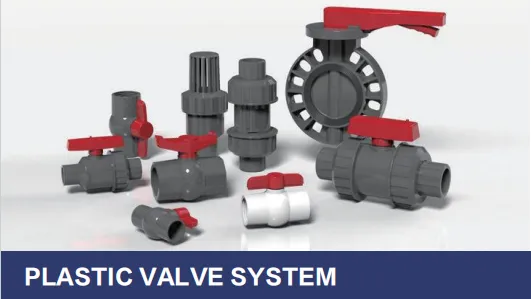
Renovating a space—whether it's a cozy home kitchen, a bustling office, or a state-of-the-art hospital—is a journey filled with excitement and decision-making. From picking out wall panels to selecting flooring, every choice shapes the final result. But amid the buzz of paint swatches and fixture styles, there's one element that often gets overlooked until it's too late: the plumbing system. Specifically, the valves that control the flow of water, gas, and other fluids. These small but mighty components are the unsung heroes of any renovation, ensuring everything from your morning shower to your office's HVAC system runs smoothly. And in today's market, more and more contractors, homeowners, and architects are turning to plastic valve systems to get the job done. But why? Let's dive in.
Before we talk about plastic, let's clarify why valves matter so much in renovation projects. Think of your plumbing system as a city's road network: pipes are the highways, and valves are the traffic lights and roundabouts. They regulate flow, prevent backflow (which can cause contamination), isolate sections for repairs, and adjust pressure to keep everything running safely. A faulty valve can lead to leaks, water damage, mold growth, or even system failures—costing time, money, and peace of mind down the line.
In renovation projects, valves are often either replaced (if the existing ones are old or corroded) or installed new (for additions like a second bathroom or a commercial kitchen). The goal? To choose valves that are durable, reliable, and suited to the specific needs of the space. For example, a hospital renovation demands valves that can withstand frequent cleaning and resist bacterial growth, while a home kitchen might prioritize affordability and easy installation. This is where plastic valve systems step into the spotlight.
Valves have been around for centuries, and traditionally, materials like brass, copper, iron, and stainless steel dominated the market. These metals have their merits—brass, for instance, is known for its strength, and copper resists corrosion in some environments. But as technology advances, plastic has emerged as a formidable competitor, offering a host of benefits that metal often can't match. Let's break down the key differences.
| Factor | Plastic Valves (PVC, PPR, PEX, CPVC) | Metal Valves (Brass, Copper, Iron) |
|---|---|---|
| Corrosion Resistance | Highly resistant to rust, chemicals, and mineral buildup | Prone to corrosion in acidic or mineral-heavy water; requires protective coatings |
| Weight | Lightweight (easy to transport and install, even in tight spaces) | Heavy (increases labor costs and installation time) |
| Cost | Generally 30-50% cheaper than metal equivalents | More expensive, especially for high-grade metals like stainless steel |
| Maintenance | Low maintenance (no need for painting or anti-rust treatments) | Requires regular inspection for corrosion; may need replacement sooner |
| Installation | Simple (often compatible with solvent cement, crimping, or push-fit connections) | Requires specialized tools (welding, threading) and skilled labor |
At first glance, metal might seem like the "tougher" choice, but modern plastics—think PVC, PPR, PEX, and CPVC—are engineered to meet rigorous standards. For example, CPVC (chlorinated polyvinyl chloride) valves can handle hot water temperatures up to 200°F (93°C), making them ideal for residential water heaters and commercial kitchens. PEX (cross-linked polyethylene) valves are flexible, bending easily around corners without the need for elbow fittings, reducing the risk of leaks. And PVC valves, a staple in drainage systems, are so durable that they're often used in industrial settings to transport chemicals. So, when it comes to performance, plastic holds its own—and then some.
Choosing a plastic valve system supplier isn't just about cutting costs (though that's a big plus). It's about investing in a solution that aligns with the unique demands of renovation projects. Let's explore the top benefits in detail.
One of the biggest myths about plastic valves is that they're "flimsy" or short-lived. Nothing could be further from the truth. Reputable plastic valve system suppliers design their products to meet industry standards like ASTM D2846 (for CPVC) or DIN PN10 (for PVC), ensuring they can withstand years of use. In fact, many plastic valves come with warranties of 10-25 years, and in real-world conditions, they often last 50+ years—outperforming metal valves in environments with high humidity, saltwater, or chemical exposure. For example, a PPR pipe and fitting supplier might offer valves that resist scaling and bacterial growth, making them perfect for hospitals or schools where hygiene is non-negotiable.
Metal valves, especially iron and steel, are prone to rust when exposed to moisture or chemicals. Over time, this corrosion can narrow the valve opening, restrict flow, or even cause leaks. Plastic valves, on the other hand, are inherently resistant to rust, rot, and chemical damage. This makes them ideal for renovation projects in coastal areas (where saltwater air corrodes metal), industrial zones (with chemical runoff), or even residential basements (prone to dampness). Imagine renovating a beach house—would you want to replace corroded metal valves every few years, or install plastic ones that can handle the salt spray for decades? The answer is clear.
Renovation timelines are tight. Every day the project drags on is a day you're not using the space—or, in commercial settings, losing revenue. Plastic valves shine here because they're lightweight and easy to install. Unlike metal valves, which often require welding, threading, or heavy tools, plastic valves can be connected using simple methods: solvent cement for PVC, crimp rings for PEX, or push-fit connectors for PPR. This means even DIY-savvy homeowners can tackle small valve replacements, while professional contractors can finish jobs faster, reducing labor costs. For example, a pvc dwv pipe supplier might provide valves that snap into place with minimal effort, cutting hours off a bathroom renovation.
Whether you're renovating a tiny apartment or a sprawling hospital, plastic valve systems offer solutions for every need. Need high-pressure valves for a commercial HVAC system? Look for a plastic valve system supplier that offers CPVC SCH80 valves, designed to handle pressures up to 200 psi. Renovating a school kitchen with strict fire safety codes? PEX valves are flame-resistant and often used in Class A fire-rated systems. Even specialized projects, like installing a rainwater harvesting system or a hydroponic garden, can benefit from plastic valves—their chemical resistance ensures they won't react with fertilizers or treated water.
Today's renovation projects aren't just about aesthetics—they're about sustainability. Plastic valve systems align with this goal in several ways. First, plastics like PVC and PPR are energy-efficient to produce compared to metal, which requires mining and smelting. Second, many plastic valves are recyclable at the end of their lifespan, reducing landfill waste. Third, their lightweight design reduces transportation emissions—trucks can carry more plastic valves per trip than metal ones, cutting down on fuel use. For eco-conscious homeowners and contractors, this is a major selling point.
Choosing a plastic valve system isn't just about buying a valve—it's about partnering with a supplier who understands your project's unique needs. The best plastic valve system suppliers don't just sell products; they offer end-to-end solutions. This might include technical support (helping you select the right valve for high-pressure vs. low-pressure applications), custom sizing (for odd-shaped spaces in historic renovations), or bundled products (like valves, pipes, and fittings from the same manufacturer, ensuring compatibility). For example, a pex pipe and fitting supplier might provide a complete plumbing kit for a residential renovation, including PEX valves, pipes, and crimp tools—saving you the hassle of sourcing components from multiple vendors.
Reputable suppliers also stay up-to-date with industry trends and regulations. They'll know, for instance, that hospitals require valves that meet NSF/ANSI 61 standards for drinking water safety, or that schools need products compliant with ASTM D2846 for chemical resistance. By working with a supplier who specializes in plastic valve system solutions, you can rest easy knowing your project meets all codes and standards—critical for avoiding costly rework down the line.
To truly understand the value of plastic valve systems, let's look at how they're used in real renovation projects across different sectors.
Homeowners renovating their bathrooms or kitchens often prioritize cost, ease of installation, and long-term reliability. Plastic valves deliver on all three. For example, a DIY homeowner replacing a kitchen faucet valve can pick up a PVC shutoff valve from a local supplier, install it in under an hour with basic tools, and enjoy peace of mind knowing it won't corrode. In larger residential projects, like adding a second bathroom, PEX valves are a favorite—their flexibility reduces the number of fittings needed, lowering the risk of leaks. And since plastic valves are cheaper than brass, homeowners can allocate saved funds to other upgrades, like luxury fixtures or energy-efficient appliances.
Commercial spaces—offices, hotels, retail stores—see heavy use, so their plumbing systems need to be tough. Plastic valves excel here, especially in high-moisture areas like hotel bathrooms or restaurant kitchens. For example, a hotel renovation might use CPVC valves in its laundry facilities, where hot water and detergent exposure would quickly corrode metal. Retail stores with large HVAC systems often rely on PVC valves for their air conditioning units, thanks to their resistance to condensation and mold. And since commercial projects often have tight deadlines, the quick installation of plastic valves helps keep construction on schedule.
Hospitals and clinics have zero tolerance for plumbing failures—leaks can compromise sterile environments, and downtime can disrupt patient care. Plastic valve systems are a top choice here for their smooth, non-porous surfaces, which resist bacterial growth. For example, Class A fireproof CPL inorganic board walls (used in hospitals for their fire resistance) are often paired with PPR valves, which are easy to clean and maintain. Additionally, plastic valves don't leach metals into the water, ensuring patient safety. When renovating a pediatric ward or an operating room, these factors are non-negotiable.
Despite their benefits, plastic valves still face skepticism. Let's address the most common myths head-on.
Fact: Modern plastics are engineered to withstand high temperatures. CPVC valves, for example, are rated for hot water up to 200°F (93°C), making them suitable for water heaters and radiant heating systems. PEX valves can handle even higher temperatures, up to 250°F (121°C), when used with proper insulation. Unless exposed to open flames (which no valve would survive), plastic valves hold up well in typical renovation scenarios.
Fact: Many plastic valves are designed for high-pressure applications. PVC-U SCH40 pressure piping systems, for instance, are used in municipal water lines to transport water at pressures up to 150 psi. CPVC SCH80 valves, as mentioned earlier, can handle up to 200 psi—more than enough for most commercial HVAC systems. Always check the supplier's specifications, but rest assured: plastic valves aren't just for low-pressure jobs.
Fact: While it's true that single-use plastics are problematic, industrial plastics like those used in valves are a different story. Most plastic valves are recyclable, and their long lifespan (50+ years) means less frequent replacement, reducing overall waste. Additionally, the energy required to produce plastic valves is significantly lower than for metal valves, making them a greener choice when viewed over their entire lifecycle.
Now that you're sold on plastic valves, how do you pick the right supplier? Here are key factors to consider:
For example, a supplier specializing in plastic valve system solutions might offer free samples, on-site consultations, and even training for your team on proper installation. These added services can make a big difference in the success of your project.
Renovation projects are all about balancing form and function, and when it comes to plumbing, plastic valve systems deliver on both. They're durable, cost-effective, easy to install, and versatile enough to handle everything from a home bathroom to a hospital operating room. By partnering with a reputable plastic valve system supplier, you're not just buying a product—you're investing in a solution that will keep your space running smoothly for decades to come. So, the next time you're planning a renovation, don't overlook the valves. Choose plastic, and rest easy knowing you've made a choice that's smart, sustainable, and built to last.
Recommend Products












