
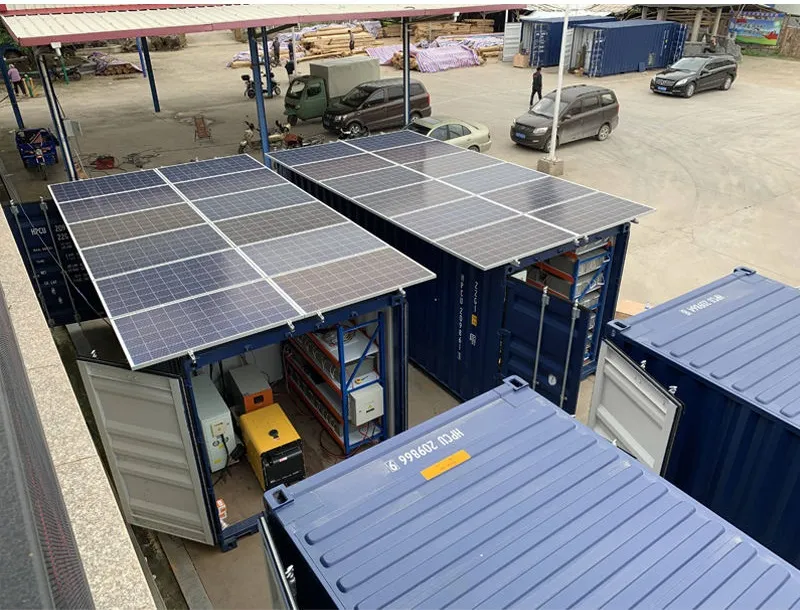
Picture this – rows of solar panels stretching toward the horizon, installed over a decade ago when solar technology was just gaining momentum. Fast forward to today, and these pioneers of renewable energy are showing their age. They're not performing like they used to, and their efficiency keeps dropping year after year. That's the reality for thousands of old solar power stations worldwide, where aging equipment and outdated designs mean wasted energy and lost revenue.
Here's the silver lining though – the solar panels from these early installations actually contain valuable resources that we can transform and reuse. With today's smarter approaches to renovation, these veterans of renewable energy can get a new lease on life and become productive parts of our sustainable future.
Many early solar installations share common challenges that limit their performance today:
Solar panels installed before 2015 were essentially the prototype versions of today's technology. The modules typically produced just 180-240W – less than half what modern panels deliver. Combine that with natural degradation over time, and you've got equipment performing far below its original capacity. Plus, many were installed using methods we now know weren't optimal, like inconsistent tilt angles and spacing that creates shadowing issues.
Remember the early inverters? Many used centralized systems with single MPPT trackers that couldn't adapt to modern panel requirements. When these units fail today, replacement parts are virtually impossible to find since the manufacturers have often disappeared from the market. Maintenance for these systems feels like trying to service a vintage car without access to authentic parts.
The daily management of older stations can be incredibly inefficient. Without smart monitoring systems, problems often go unnoticed until they've caused significant damage. Maintenance crews might spend days driving across vast arrays just to conduct visual inspections – time that modern stations save through remote diagnostics and targeted repairs.
The good news? Technological advancements have given us innovative ways to overcome these legacy challenges. With thoughtful renovation strategies, these older stations can often achieve efficiency levels comparable to brand new installations.
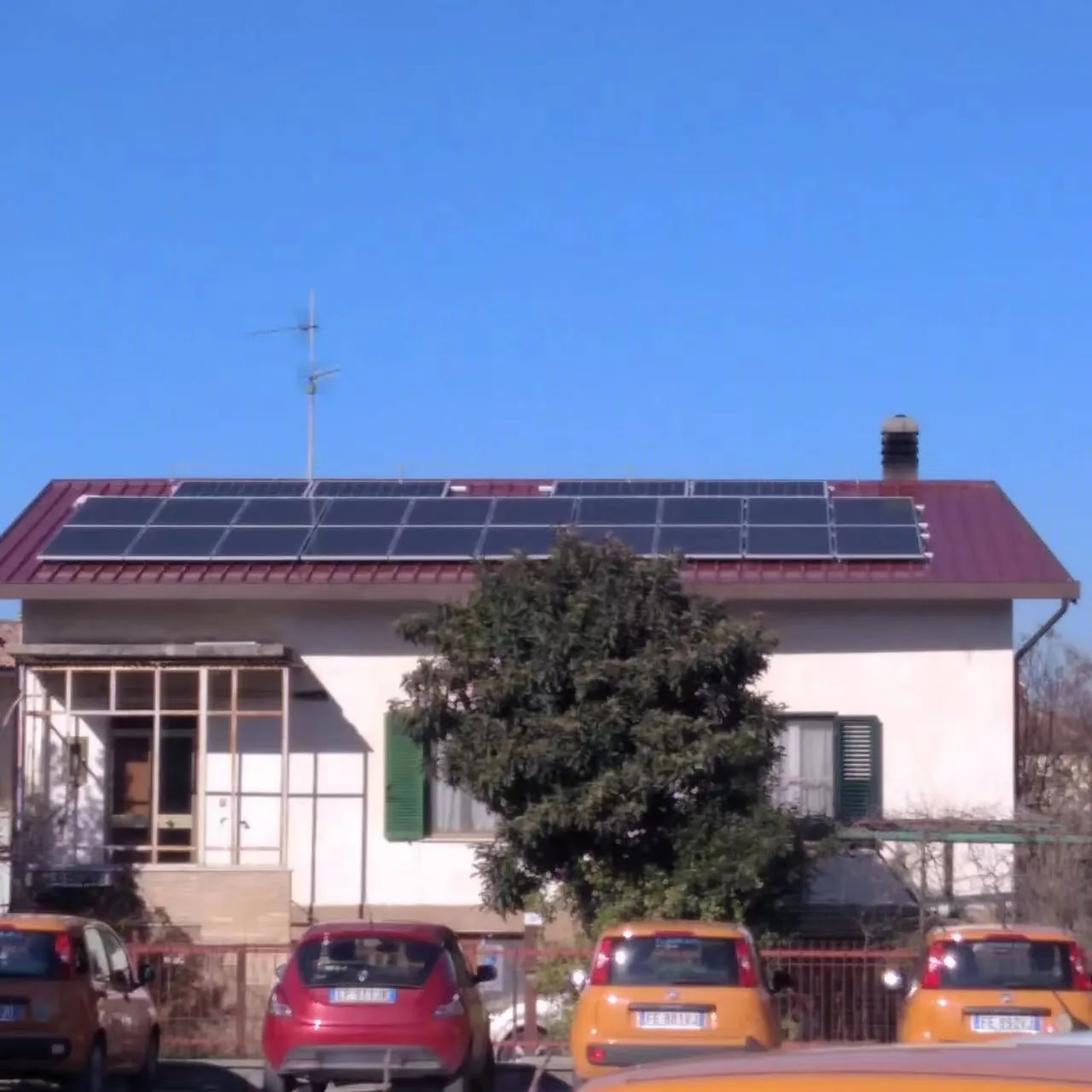
Hardware replacement forms the cornerstone of any effective renovation strategy. But this doesn't always mean a complete overhaul. There are tailored approaches:
| Renovation Approach | Best For | Cost Range | Power Gain | ROI Timeline |
|---|---|---|---|---|
| Full Component Replacement | Severely degraded panels (>20% loss) | ₹0.70-0.90/W | 15-20% | 5-7 years |
| Targeted Panel Refresh | Partially degraded systems | ₹0.50-0.80/W | 8-12% | 3-5 years |
| Modern Inverter Upgrade | Obsolete power conversion systems | ₹0.30-0.45/W | 10-15% | 2-4 years |
| Intelligent Cleaning Systems | All stations with dust/snow issues | ₹0.05-0.10/W | 5-16% | 1-2 years |
Real-world example: A 50MW plant in Rajasthan replaced its 500kW centralized inverters with 150 string inverters. Though the initial hardware investment increased by about 5%, the mismatch loss caused by terrain differences dropped from 5% to under 1%, adding 3-5% to annual energy production.
Hardware improvements deliver significant gains, but pairing them with smart system design unlocks additional efficiency:
Capacity Ratio Adjustments: Early stations typically used a 1:1 panel-to-inverter ratio. Modern designs boost this to 1.1-1.2 – enabling the inverter to operate at peak efficiency even during lower light conditions. Research shows this adjustment alone can lower system costs by 5-8% while increasing internal ROI by 1.5-2 points.
Shadow Management: Poor spatial planning in older arrays creates power-draining shadows. Using drone-based topography mapping and AI modeling, stations can optimize spacing and layouts to reduce this loss to under 1%, even in complex terrains.
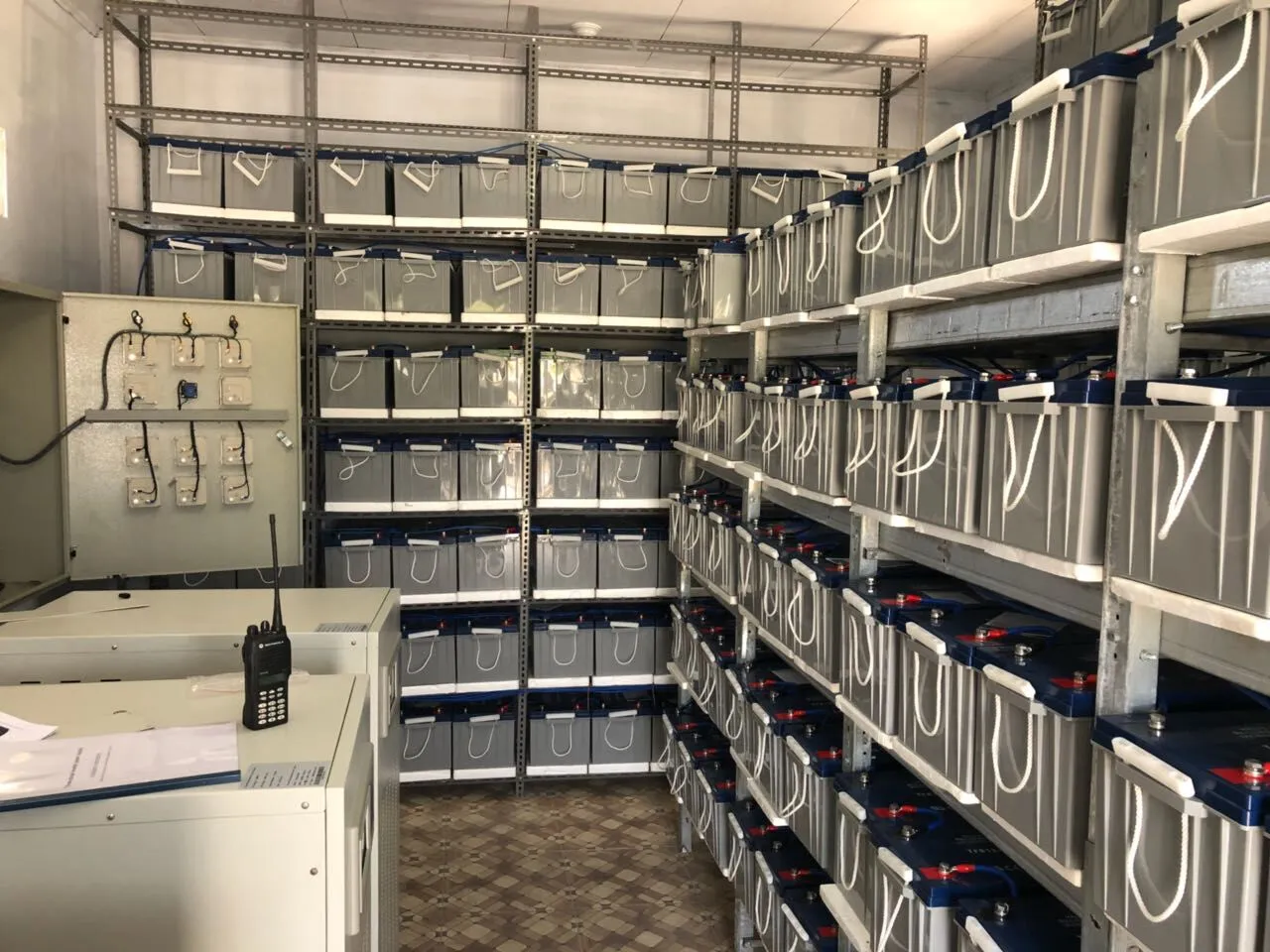
Energy Storage Integration: Adding storage transforms older stations into 24-hour assets. Consider configuring 15-20% capacity storage – for a 10MW station, that's about 2MWh. This buffers against curtailment orders, enabling stations to store energy during restrictions and release it during peak rates.
Transformational maintenance requires moving from passive reactions to predictive intelligence:
Automated Diagnostics: Modern monitoring systems scan components continuously, flagging performance anomalies before they cause failures. String-level monitoring pinpoints underperforming panels quickly – something that used to take maintenance crews days to identify.
Robotic Maintenance: From robotic cleaners that maintain panels with minimal water to drone-based thermal inspection fleets, automation handles routine tasks more efficiently. Where manual cleaning of a 20MW station once took 4 people 15 days, robotic systems now accomplish it in less than a week with one operator.
Intelligent Operation Platforms: Integrated software suites combine performance data, weather patterns, and grid conditions to generate optimized operational decisions. These platforms can increase system availability by 2-3%, translating to significantly higher annual production.
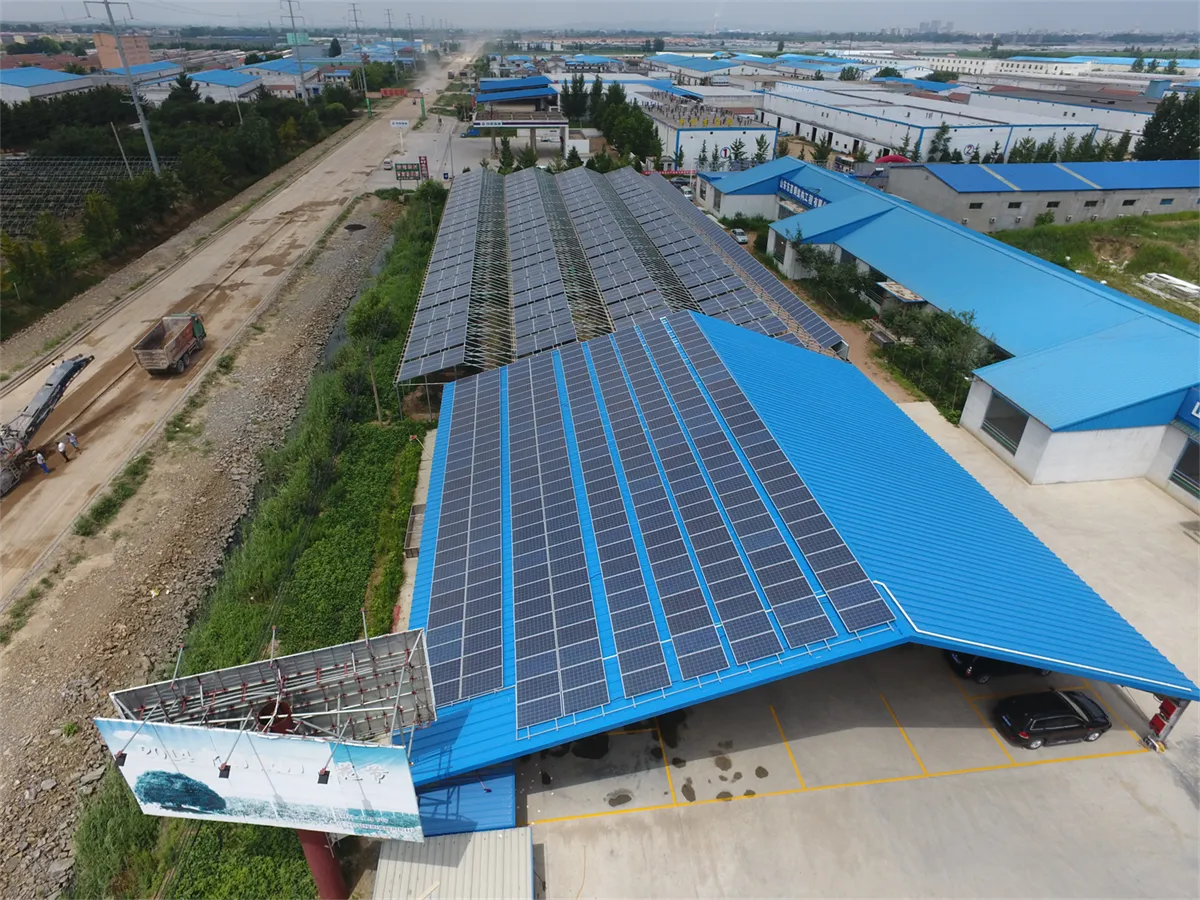
The financial case for renovation becomes compelling when viewed through long-term operational savings:
A 100MW station operating at 78% efficiency versus 85% represents approximately ₹25 crore in annual lost revenue. Renovation investments of ₹40-50 crore would typically achieve this efficiency gain, paying back in under 2 years while adding value to the station's operational lifespan.
Different scenarios call for tailored investment approaches:
Minimal Investment Path (₹0.10-0.20/W): Basic cleaning, cable inspections, and vegetation management. Ideal for stations near retirement age or with good overall health. Gains 3-8% power with ROI in 6-12 months.
Balanced Transformation Path (₹0.50-0.80/W): Combines targeted panel replacement (20-30% of most degraded units), smart inverter upgrades, and monitoring systems. Yields 15-25% improvement with ROI in 3-5 years.
Comprehensive Renewal Path (₹1.20-2.50/W): Complete hardware replacement with latest panel technology, energy storage integration, and full automation systems. Achieves 30-50% gains but requires longer ROI horizons of 5-7 years – ideal for premium locations with extended operational horizons.
A systematic approach prevents costly mistakes during renovation:
Comprehensive site evaluation using:
The output should be a performance risk matrix identifying high-impact intervention areas.
Prioritizing work based on:
Critical tip: Modern string inverters often fit existing infrastructure without rewiring – preserving budget for other improvements.
Bringing systems online:
Establishing continuous improvement through:
A real-world example demonstrates these principles in action:
The 82MW facility, operational since 2012, suffered from:
The renovation implemented:
Results after 12 months:
Renovating aging solar infrastructure isn't just about repairing the past – it's about creating the future. These stations represent massive investments in materials and space that we can't afford to abandon. With smart renovation strategies leveraging today's technology, we transform these pioneers into high-performing assets that compete with new installations.
The most sustainable panel is the one already manufactured – renovation extends its productive life while delaying the recycling phase. As we advance toward ambitious renewable targets, giving existing stations a second life through intelligent renewal may be one of our most powerful tools for sustainable energy growth.
Recommend Products












